

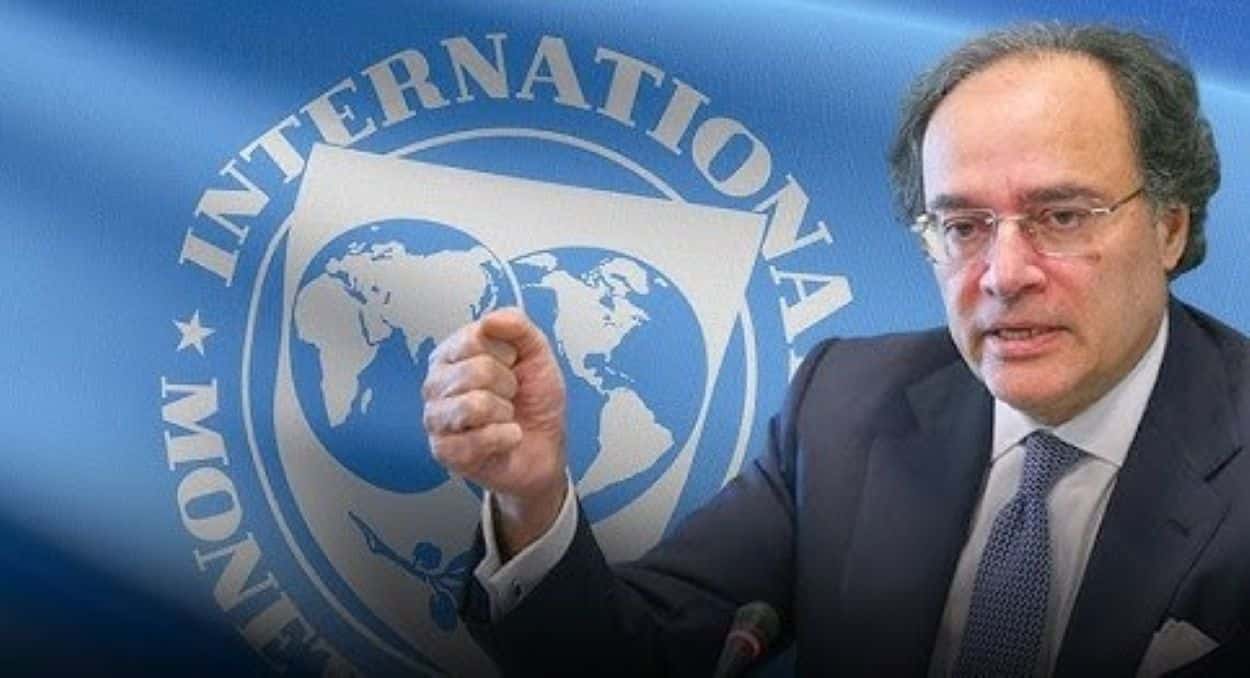

Federal Minister for Finance Senator Muhammad Aurangzeb has confirmed that legislation requiring government employees to disclose their assets is already in force.
Speaking at a ceremony in Lahore, he said the move fulfils Pakistan’s commitments to the International Monetary Fund (IMF). It also reflects the government’s focus on transparency.
Aurangzeb explained that the IMF had called for clearer public disclosure of officials’ assets. However, he stressed that Pakistan implemented the requirement as a practical reform. It was implemented rather than as an additional programme condition. He added that the assets of civil servants and all parliamentarians are published annually. This occurs on a government website every December 31.
The finance minister clarified that job creation does not fall directly under the government’s mandate. Instead, he said the private sector must lead economic growth. The government’s role, he added, is to provide policy support, remove barriers, and create an environment. This allows businesses to thrive.
Read: Pakistan Plans Mini-Budget with New Taxes to Meet IMF Targets
Aurangzeb highlighted the rapid expansion of Pakistan’s digital economy and e-commerce sector. He noted that both have significantly boosted business activity nationwide. At the same time, he said efforts to broaden the tax base and simplify procedures for taxpayers have helped build trust.
He also pointed to the introduction of automated tax collection systems. These systems, he said, improved transparency and strengthened public confidence in the system.
According to Aurangzeb, reform-oriented policies introduced by Prime Minister Shehbaz Sharif’s economic team have led to a noticeable reduction in corruption. He added that inflation remains under control. This has helped stabilise the economy during a challenging period.
Read: Pakistan FBR Proposes Public Asset Declarations for Civil Servants
He further said Pakistan is moving steadily toward sustainable development. Improved economic indicators, investor-friendly policies, and renewed confidence among traders and investors have contributed to overall business growth. They also contributed to the revival of local industries.
Turning to the digital financial sector, Aurangzeb said Pakistan must continue advancing in this direction. He confirmed that agreements to license crypto exchanges are under consideration, which would strengthen the country’s financial framework.
He noted that more than 25 million Pakistanis are already involved in crypto-related activities, most of them young people. According to the minister, regulating the sector could help channel innovation, support economic growth, and advance the country.



