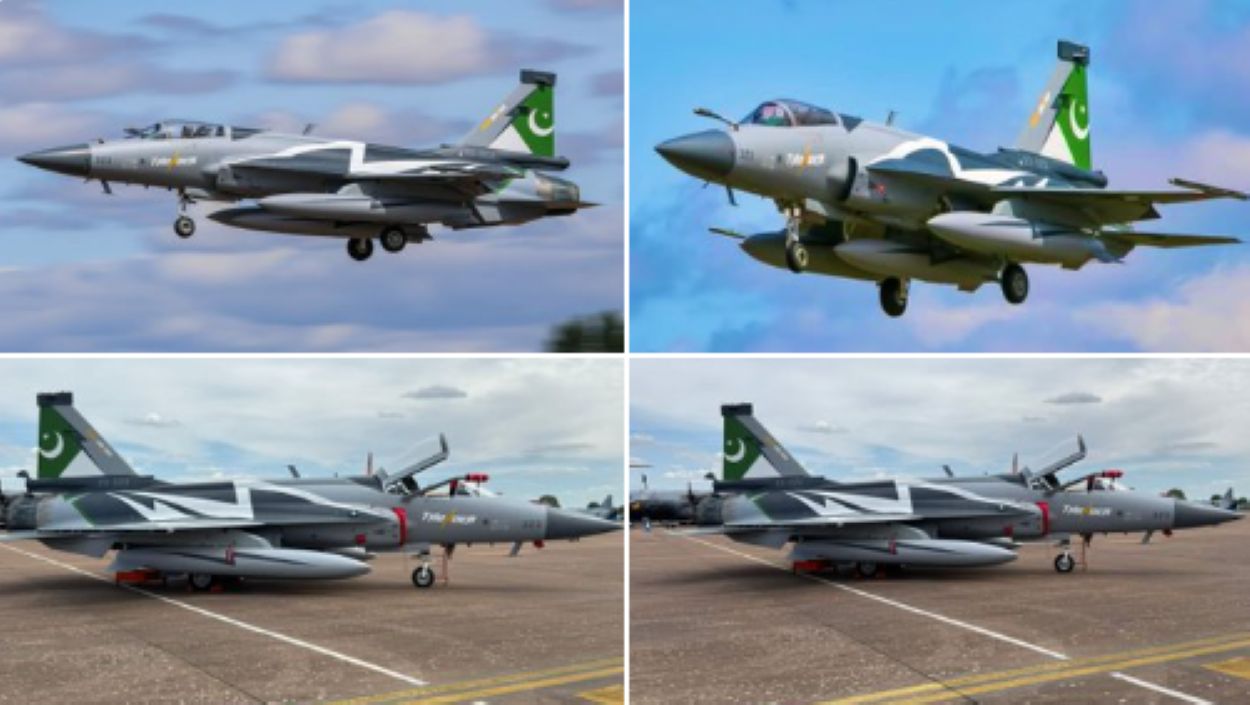

Pakistan Air Force has escorted the Iranian delegation mission, which has drawn attention as Islamabad hosts high-stakes talks linked to the fragile US-Iran ceasefire. Pakistan reportedly deployed J-10C fighters, Saab Erieye AWACS aircraft, and electronic warfare assets to help protect Iranian Parliament Speaker Mohammad Bagher Qalibaf during the visit.
The operation shows how governments are securing diplomatic travel during the 2026 Iran-Israel crisis. The report says officials adopted these extraordinary measures because they feared possible Israeli interception or disruption.
The reported mission suggests that what would normally be a diplomatic journey was treated as a sensitive strategic movement. Pakistan may have used an integrated mix of fighter aircraft, airborne warning systems, and electronic warfare support to secure the route. That matters because such a deployment would go well beyond standard VIP protection. It would also show how deeply military risk now shapes diplomatic efforts in the region.
The talks in Islamabad followed Pakistan’s role in brokering a fragile two-week ceasefire between Washington and Tehran after weeks of escalating conflict. The report adds that any perceived attack on the Iranian delegation could have quickly undermined the diplomatic process.
Pakistan Air Force fighter jets and early warning aircraft over Iranian airspace to escort the Iranian delegation to Islamabad, amid concerns that Israel could target the visit in an attempt to derail the negotiations. #IranWar #Pakistan #PakistanAirforce #Islamabad Video… pic.twitter.com/gcJsosG3yn
— Photo News (@PhotoNewsPk) April 10, 2026It also states that Prime Minister Shehbaz Sharif described Pakistan as committed to preventing further regional escalation, while JD Vance reportedly characterised the truce as fragile. That wider context helps explain why security around the delegation became a major focus.
Social media claims circulating since April 9 allege that the Pakistan Air Force created a protective air corridor stretching from Bandar Abbas into Pakistani airspace. However, the report does not cite official confirmation of the operation.
At the same time, it notes that the absence of an official denial added to speculation, especially because Pakistan has historically kept sensitive air operations and high-value diplomatic security missions undisclosed.
Even if others later challenge the claims, the report argues that the controversy itself shows deepening mistrust and accelerating militarisation across the Persian Gulf and Arabian Sea. In this view, governments now treat political travel as a high-risk security event. Extending the security perimeter beyond Pakistani airspace would also have made hostile interception more difficult by expanding surveillance and enabling a faster fighter response. This framing underscores how closely diplomacy and deterrence now intersect in the current crisis.