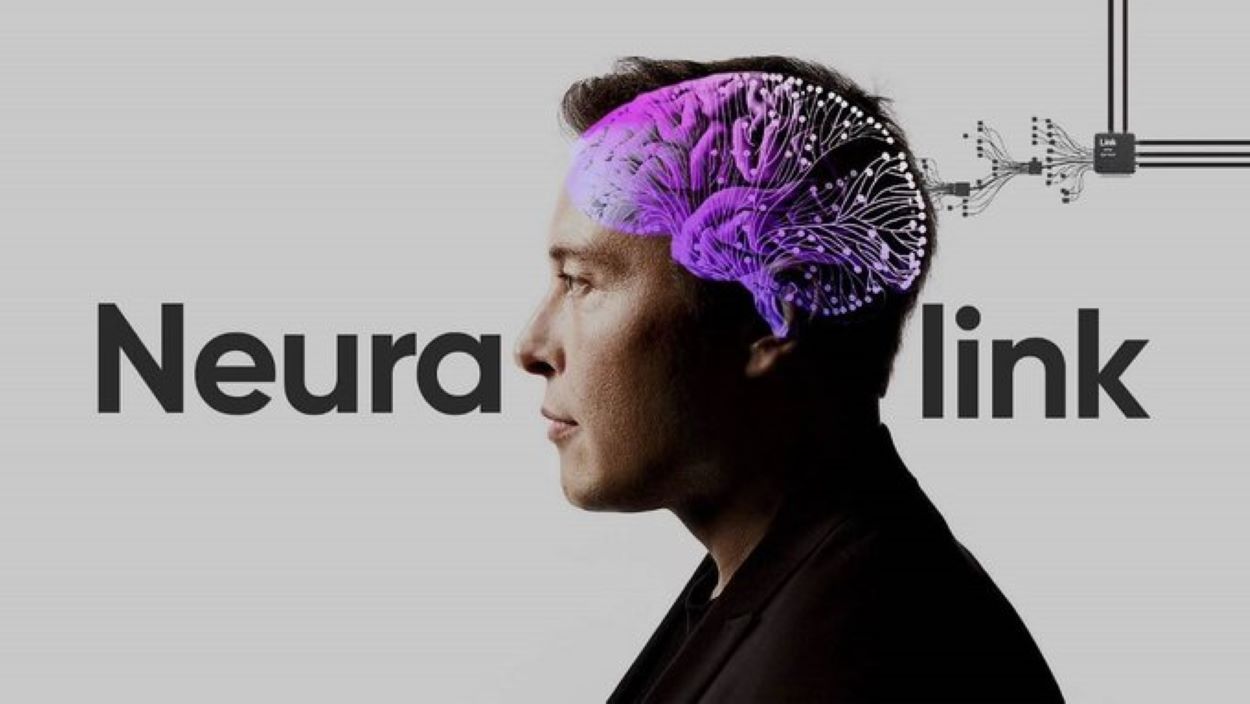

Neuralink, the brain implant startup founded by Elon Musk, plans to begin high-volume production of its brain-computer interface devices in 2026 and transition to fully automated surgical procedures, Musk said on Wednesday.
In a post on X, Musk outlined the company’s next phase of development, describing automation as a key step toward scaling Neuralink’s implant technology and improving surgical consistency.
Neuralink began human trials in 2024 after resolving safety concerns raised by the U.S. Food and Drug Administration. The regulator initially rejected the company’s application in 2022, citing potential risks associated with the device and the surgical process.
Neuralink will start high-volume production of brain-computer interface devices and move to a streamlined, almost entirely automated surgical procedure in 2026.
Device threads will go through the dura, without the need to remove it. This is a big deal. https://t.co/nfNmtFHKsp
— Elon Musk (@elonmusk) December 31, 2025Since then, progress has accelerated. Neuralink said in September that 12 people worldwide living with severe paralysis have received its brain implants. According to the company, participants are using the technology to control digital interfaces and physical tools through thought, marking a major milestone for brain-computer interface research.
The company has also strengthened its financial position to support expansion. In June, Neuralink raised $650 million in a funding round to scale production, advance clinical trials, and refine its automated surgical systems.
Read: Neuralink’s Breakthrough Device to Restore Speech Gains FDA Recognition
If successfully implemented, high-volume manufacturing and fully automated procedures could significantly reduce costs and increase access to brain-computer interface technology. Industry experts note that such advances would be critical for moving Neuralink’s implants beyond experimental use and toward broader clinical adoption, pending further regulatory approvals.