

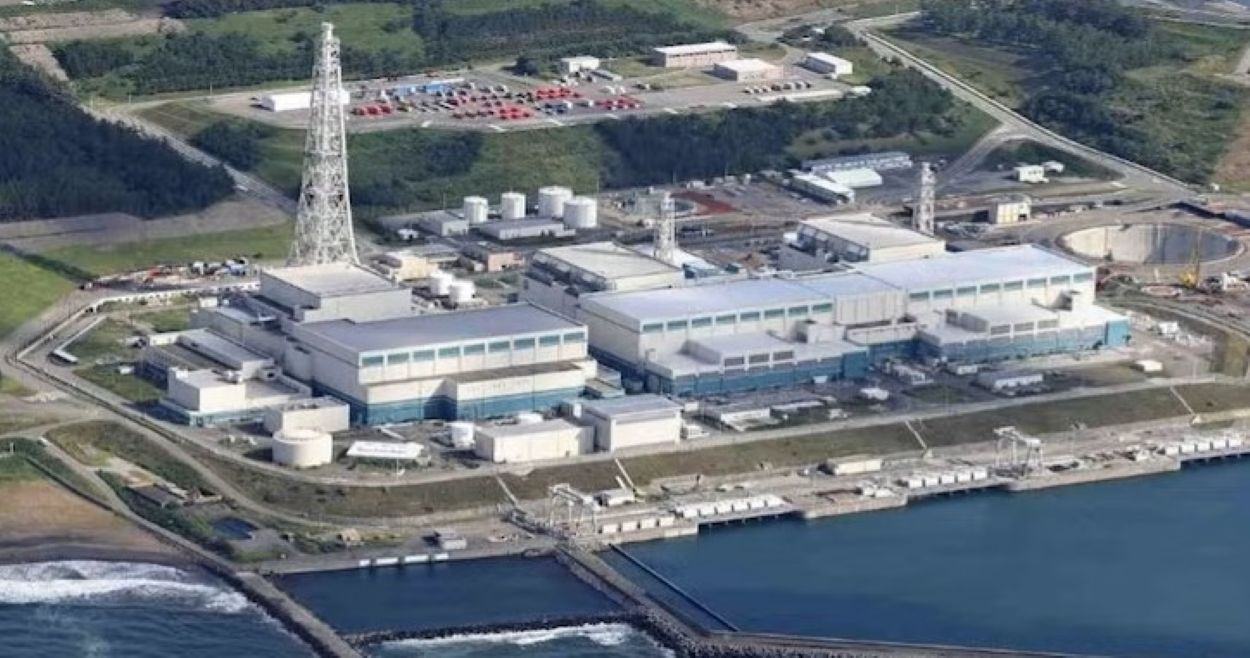

Japan is moving closer to restarting the world’s largest nuclear power plant. This marks a significant shift in energy policy nearly 15 years after the Fukushima disaster. Niigata Prefecture authorities will likely endorse the restart of the Kashiwazaki-Kariwa Nuclear Power Plant on Monday.
The plant sits about 220 kilometres northwest of Tokyo and shut down with Japan’s other reactors after the 2011 earthquake and tsunami triggered the Fukushima Daiichi meltdown. Since then, Japan has restarted 14 of its 33 operable reactors as it works to reduce reliance on imported fossil fuels. If Kashiwazaki-Kariwa resumes operations, Tokyo Electric Power Company will restart its first nuclear facility since it operated the Fukushima Daiichi plant.
A TEPCO spokesperson said the company remains committed to safety and preventing a repeat of past failures. If authorities approve the plan, TEPCO may restart the first of the plant’s seven reactors as early as January 20, according to public broadcaster NHK.
Japan's Kashiwazaki-Kariwa plant, operated by Tokyo Electric Power Company, faces possible partial restart, with local residents voicing safety concerns amid efforts to boost Japan's power supply https://t.co/3nsMurJAzy pic.twitter.com/IEjXxH5Fyg
— Reuters (@Reuters) December 2, 2025Despite official backing, many residents remain sceptical. A prefectural survey published in October showed that 60 per cent of respondents felt conditions for the restart were not yet in place. Moreover, nearly 70 per cent expressed concern about TEPCO’s ability to operate the facility safely.
Among the critics is Ayako Oga, a farmer and anti-nuclear activist who relocated to Niigata after fleeing Fukushima in 2011. Her former home was within the 20-kilometre exclusion zone established after the disaster.
Oga said memories of Fukushima still haunt her and that the proposed restart has revived deep fears. She added that many survivors continue to struggle with long-term psychological trauma linked to the accident.
Even Niigata Governor Hideyo Hanazumi, who endorsed the restart last month, has said he hopes Japan will one day reduce its dependence on nuclear energy. He stressed the need for energy sources that do not cause public anxiety.
Energy Security Drives Policy Shift
On Monday, the Niigata prefectural assembly will vote on a confidence motion for Hanazumi. This move is widely seen as the final step before TEPCO restarts operations. Japan’s trade ministry estimates that a single reactor at Kashiwazaki-Kariwa could increase electricity supply to the Tokyo region by about two per cent.
Prime Minister Sanae Takaichi, who took office two months ago, supports restarting nuclear power plants. She views this as part of a broader strategy to strengthen energy security. Imported fossil fuels currently generate between 60 and 70 per cent of Japan’s electricity, placing heavy pressure on the economy.
Read: Putin Orders to Draft Proposals for Possible Nuclear Weapons Tests
Last year, Japan spent 10.7 trillion yen on liquefied natural gas and coal. This accounted for roughly a tenth of total import costs. Officials also expect energy demand to rise as data centres and artificial intelligence infrastructure expand.
Tepco on Tuesday opened the No. 6 reactor at its Kashiwazaki-Kariwa nuclear power plant to the press to demonstrate the safety of the unit, which the firm aims to bring back online. https://t.co/1LE2Vi8Ury
— The Japan Times (@japantimes) December 3, 2025To meet climate targets and future demand, Japan aims to double the share of nuclear power in electricity generation to 20 per cent by 2040. Joshua Ngu of Wood Mackenzie said public acceptance of the Kashiwazaki-Kariwa restart would mark a critical milestone toward achieving that goal.
Yet for residents like Oga, the decision remains deeply unsettling. As lawmakers prepare to vote, she plans to join protests outside the assembly building, saying each development brings back the fear she once lived through.
“Every update feels like reliving that moment,” she said. This reflects the enduring tension between energy security and public trust in post-Fukushima Japan.



