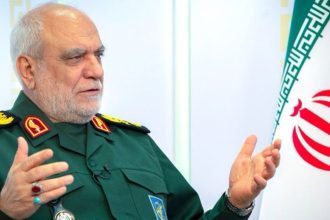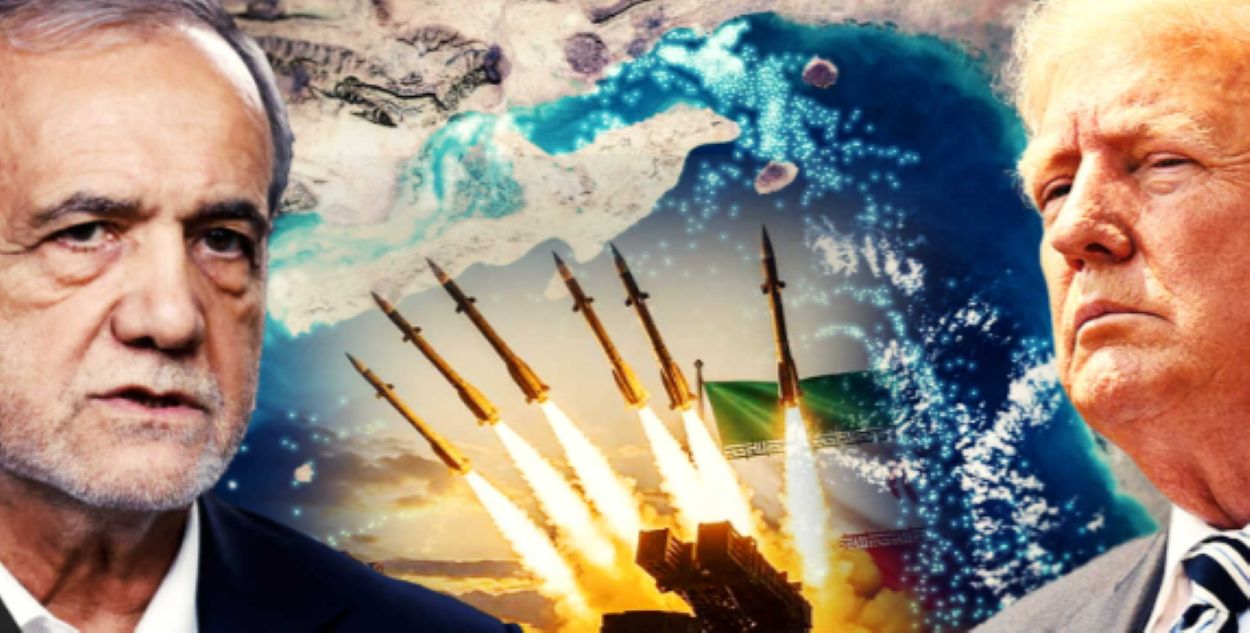

The IRGC Strait of Hormuz claim marks Iran’s latest warning over one of the world’s most important shipping routes. In a statement cited, Iran’s Islamic Revolutionary Guard Corps Navy said the strategic balance in the Strait of Hormuz has changed permanently, especially for the United States and Israel.
According to the statement, Tehran believes the era of foreign dominance in the waterway is over. Iranian officials argue that recent regional developments have reduced the ability of outside powers to shape events in waters close to Iran.
The statement said the strait “will not revert to its former conditions,” framing that position as part of a wider shift in regional power. Iran also said it is nearing the final stage of a broader operational plan built around what it describes as a locally managed security structure in the Persian Gulf.
In practical terms, that means Iranian officials are presenting the waterway as a zone where neighbouring states, not foreign militaries, should control security. Iran has linked that approach to sovereignty and regional stability.
Iran has strengthened its naval posture in the area. That includes expanded surveillance capabilities and faster response operations aimed at protecting territorial waters and maintaining energy flows through the strait.
Iranian military leaders also warned that any effort by the US or its allies to challenge this emerging order would face a swift response. That language highlights how closely maritime security and regional military tensions are now tied together. The Strait of Hormuz is one of the most sensitive waterways in global shipping because it serves as a key route for energy supplies. As a result, any statement suggesting long-term change in control or access quickly draws international attention.
Tehran has recently tightened controls over shipping in the area amid ongoing hostilities involving the US and Israel. That makes the latest IRGC message significant not only as rhetoric, but also as part of a wider security confrontation.
Read: Trump Says Iran Deal Possible by Monday, Warns of New Strikes
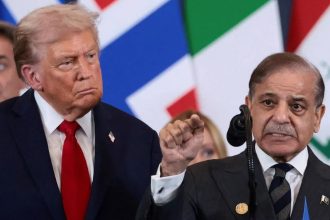
The IRGC statement came after renewed pressure from US President Donald Trump, who, according to recent public White House material, remains in office as of April 2026.
Trump has threatened severe action against Iran, including possible strikes on major infrastructure, if restrictions in the Strait continue. That backdrop helps explain the sharper tone from Tehran. Rather than describing the situation as temporary, the IRGC is presenting it as a lasting strategic shift.