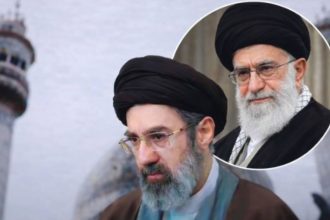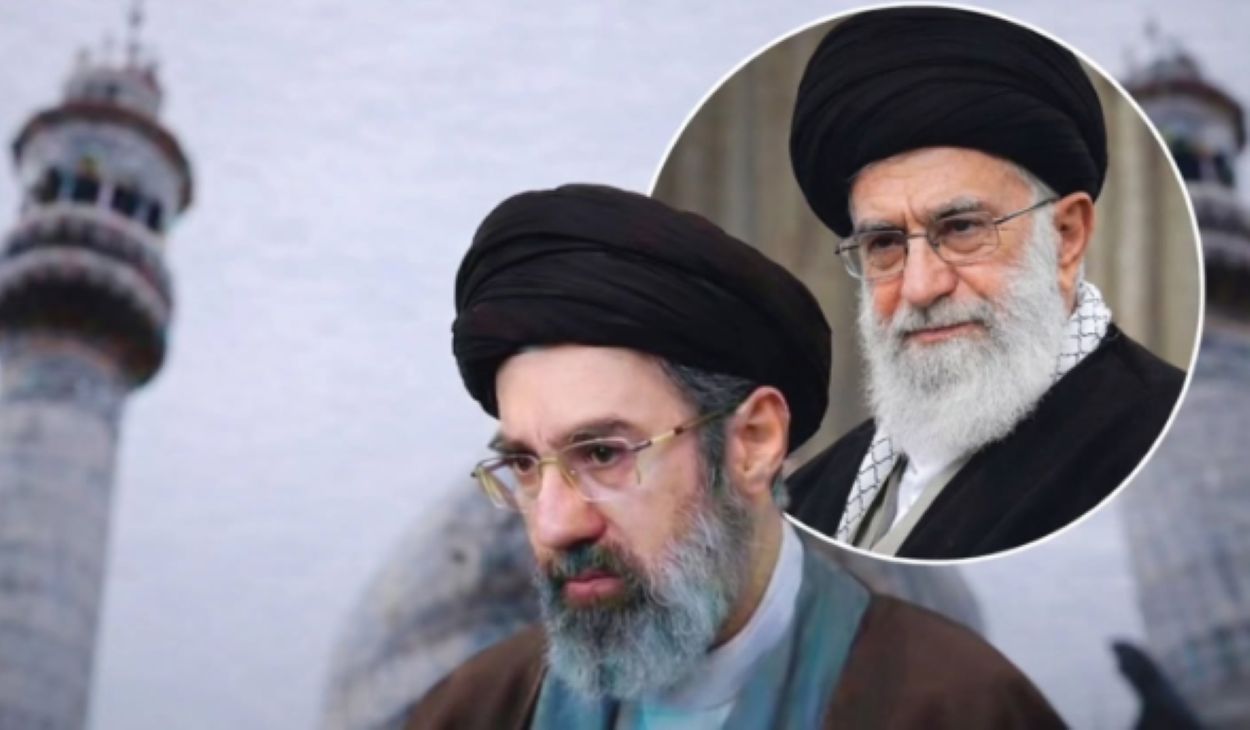

The Strait of Hormuz closure threat intensified on Thursday after remarks attributed to Iran’s new Supreme Leader, Mojtaba Khamenei, said Tehran would keep the vital shipping route shut. The statement, read on state television, marked the first public remarks attributed to him since succeeding his father, Ayatollah Ali Khamenei.
In the address, Mojtaba Khamenei also said Iran would continue attacking U.S. bases in neighbouring countries and would not back away from avenging those killed in the war. Soon after, Iran’s Revolutionary Guards said they would keep the strait closed in line with his orders.
The Strait of Hormuz is one of the world’s most important oil transit routes, carrying about a fifth of global oil flows. Any prolonged closure immediately raises concerns about energy security, inflation, and shipping disruptions.
The war, which began with a U.S.-Israeli bombing campaign at the end of February, has already caused what the International Energy Agency described as the biggest disruption to global energy supplies in history. Oil prices climbed back above $100 a barrel as markets reacted to the renewed threats and tanker attacks.
Tanker Attacks Add To Regional Shipping Fears
Shortly after the statement, two tankers were reported ablaze in Iraq’s Basra port after suspected Iranian explosive-laden boats struck them. Reuters-verified images showed massive fires lighting up the night sky, and at least one crew member was reported killed.
Hours earlier, other ships were also reported to have been hit in the Gulf, including a Thai bulk carrier that Iran’s Revolutionary Guards said had disobeyed their orders. Another container vessel was reported to have been struck near the United Arab Emirates.
Read: Mojtaba Khamenei Named Iran’s New Supreme Leader After Ali Khamenei’s Death
U.S. President Donald Trump said on Wednesday that the United States had already won the war. However, he has not publicly outlined how the Strait of Hormuz would be reopened or how energy markets would be stabilised if the blockade continues.
Analysts say the market may remain under pressure unless oil resumes flowing normally through the strait. ING analysts said lower prices on a sustained basis depend on restoring that route, suggesting further market highs may still lie ahead.
Inside Iran, residents told Reuters that security forces had increased their presence on the streets. At the same time, U.S. intelligence sources cited by Reuters said Iran’s leadership remained largely intact despite the continuing conflict.