
India’s bottled water prices are coming under pressure as the Iran war disrupts supplies and pushes up the cost of packaging materials ahead of the peak summer season. Industry groups say smaller manufacturers have already raised prices for distributors, while broader retail increases could follow in the coming days.
India’s packaged water market is worth about $5 billion, making it one of the world’s fastest-growing bottled water sectors. The latest strain is being driven by higher oil-linked input costs, especially for plastic bottles and related packaging.
India Bottled Water Prices Face New Pressure
According to industry representatives, around 2,000 smaller bottled water makers have increased rates for resellers by about 1 rupee per bottle, or roughly 5%. They also expect another 10% rise in the coming days if cost pressures continue.
Consumers usually pay less than 20 rupees for a one-litre bottle. For now, many larger companies are still absorbing the higher costs, which means the full retail impact has not yet reached customers.
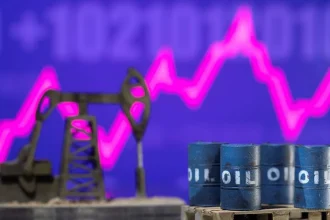
The industry says the main problem is the sharp increase in polymer costs, since polymer is made from crude oil and is a key material for plastic bottles. Recent reporting from Gujarat, a major plastics hub, also points to steep PET price increases and supply strain linked to the regional conflict.
Manufacturers say the cost of bottle-making materials has jumped sharply, while caps, labels, corrugated boxes, and adhesive tape have also become more expensive. That is squeezing margins across the supply chain just as summer demand begins to climb.
Premium Water Brands Feel The Heat Too
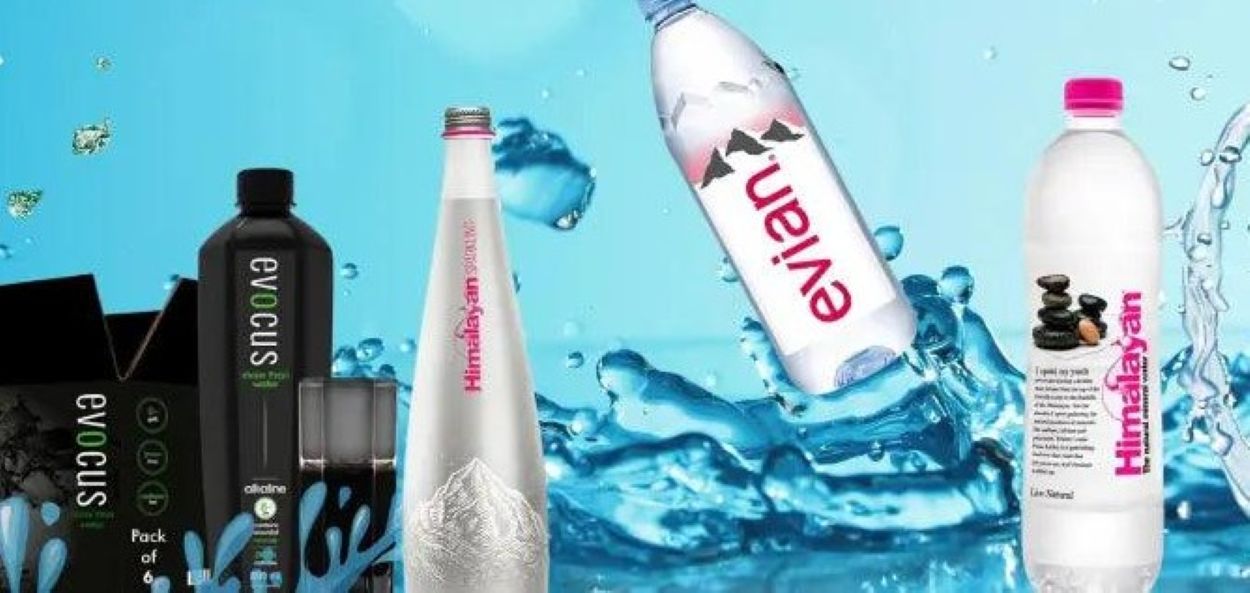
The disruption is not limited to low-cost bottled water. India’s premium mineral water segment, valued at about $400 million, has also been hit by rising packaging and production costs.
Euromonitor data cited in recent reporting shows premium water accounted for 8% of India’s bottled water market last year, up from just 1% in 2021. That growth has made the category more visible, but it has also exposed it to the same supply-side shocks.
Some premium brands have already increased reseller prices. Meanwhile, companies in the mass market say they can no longer fully absorb the rise in packaging costs while keeping existing prices unchanged.
Why The Timing Matters
The current squeeze comes just before India’s hottest months, when demand for bottled water usually surges. That makes cost inflation especially difficult for smaller companies with weaker purchasing power and thinner margins.
For many consumers, bottled water is not just a convenience product. Demand is supported by longstanding concerns about water quality, with recent market reports noting strong reliance on packaged water nationwide.