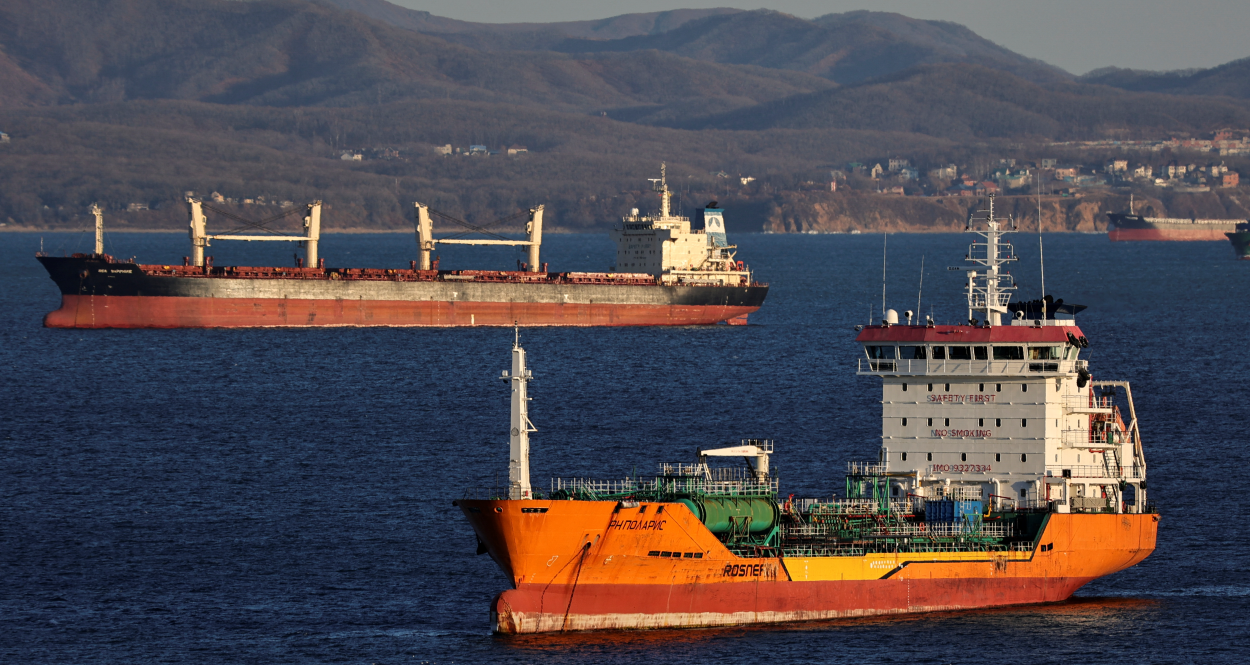

The IEA emergency oil release has been approved after supply disruptions linked to rising tensions in the Middle East. The International Energy Agency said it had authorised the release of 400 million barrels of oil to help address shortages after Iran announced the closure of the Strait of Hormuz.
The strait is one of the world’s most critical energy chokepoints. Its disruption has raised fresh concerns about global oil and gas flows and wider risks to energy security and the global economy.
The announcement was made on Wednesday. However, the IEA did not provide a detailed timeline for when the oil would be released.
Instead, the agency said the stocks would be released at an appropriate time depending on the circumstances facing its 32 member states.
Speaking at the IEA headquarters in Paris, Executive Director Fatih Birol said member countries had unanimously agreed to launch the biggest emergency oil stock release in the agency’s history.
He said the decision reflected the serious impact of the Middle East conflict on oil and gas markets, global energy security and the wider economy.
Why The Strait Of Hormuz Matters
The emergency move followed Iran’s announcement that it was closing the Strait of Hormuz. The decision came after joint US-Israeli military strikes on Iran, according to the source text.
The normal flow of traffic through the strait is essential for moving oil and gas into global markets. That is why any disruption there quickly affects supply expectations and price concerns.
.@POTUS: "I'm pleased to report that earlier today, the @IEA agreed to coordinate the release of a record 400 million barrels of oil from various national petroleum reserves… which will substantially reduce the oil prices as we end this threat to America…" pic.twitter.com/ItoVwniFiu
— Rapid Response 47 (@RapidResponse47) March 11, 2026Birol said the oil release would help reduce the immediate effects of the closure. Still, the broader goal remains restoring normal energy flows through the passage.
How Much Oil Can the IEA Access
The IEA said its member countries hold more than 1.2 billion barrels of oil in public emergency reserves. In addition, around 600 million barrels are held as industry stocks under government obligations. That gives the agency a large buffer to respond during major supply crises.
The IEA was created in 1974 in response to the 1973 Arab oil embargo. Its mission was to help protect global energy security, especially for advanced economies in Europe, North America and Northeast Asia.