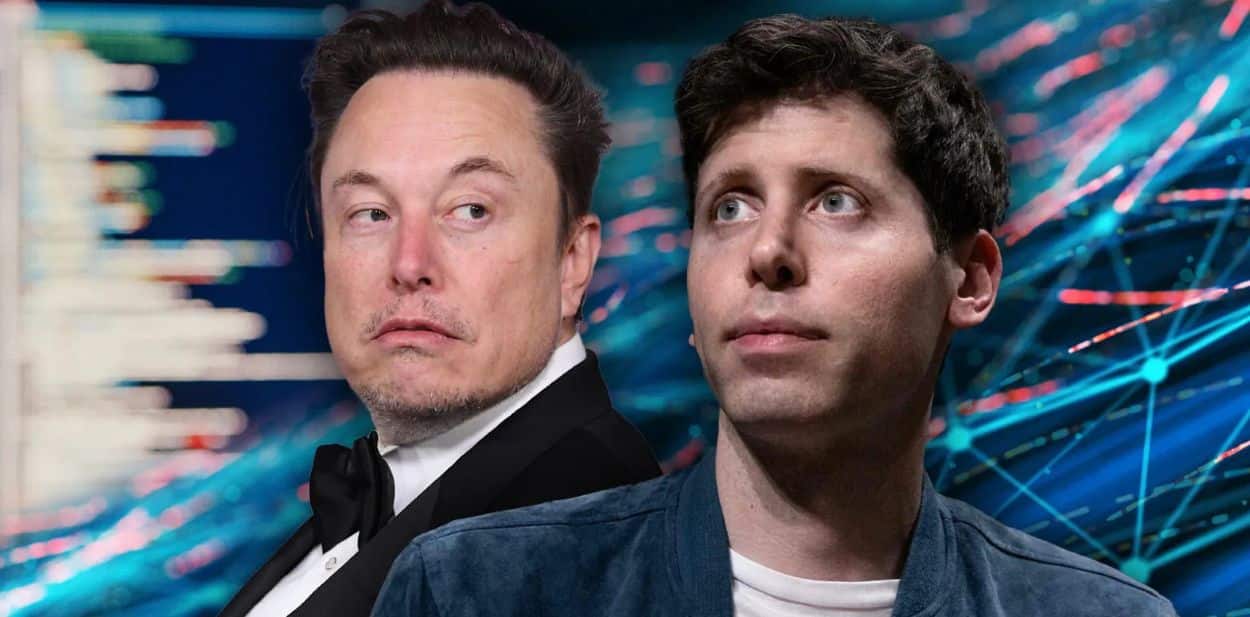

A US federal judge has cleared the way for Elon Musk’s lawsuit against OpenAI to proceed to trial, signalling potential legal challenges ahead for the ChatGPT developer.
During a hearing in Oakland, California, U.S. District Judge Yvonne Gonzalez Rogers said the case presents disputed facts for a jury to decide. She noted there is “plenty of evidence” suggesting OpenAI’s leadership reassured stakeholders that the organisation would preserve its nonprofit structure.
The judge ruled that a jury trial, scheduled for March 2026, offers the appropriate forum to assess those claims. She plans to issue a written order addressing OpenAI’s request to dismiss the case.
Musk co-founded OpenAI in 2015 but left the organisation in 2018. He now leads xAI, which develops the Grok chatbot and competes directly with OpenAI. In his lawsuit, Musk alleges that OpenAI abandoned its founding mission when it transitioned toward a for-profit structure.
Musk lawsuit over OpenAI for-profit conversion can head to trial, US judge says https://t.co/LtMZ0P8Z2s https://t.co/LtMZ0P8Z2s
— Reuters (@Reuters) January 8, 2026According to the filing, Musk claims he contributed about $38 million to OpenAI’s early funding, representing roughly 60% of its initial capital. He says he did so after receiving assurances that OpenAI would operate solely for public benefit as a nonprofit.
Read: Elon Musk Files Lawsuit to Halt OpenAI’s Shift to For-Profit Model
The lawsuit alleges that OpenAI co-founders Sam Altman and Greg Brockman orchestrated the shift to a for-profit model to enrich themselves. Musk also points to OpenAI’s lucrative partnership with Microsoft as evidence of that alleged strategy. He seeks unspecified monetary damages, which he describes as recovery of “ill-got gains.”
OpenAI has rejected the allegations and described Musk’s lawsuit as baseless. The company argues that Musk is acting as a frustrated competitor trying to slow a rival in the rapidly expanding AI market. OpenAI has said it looks forward to presenting its case in court.
The legal fight unfolds amid intense competition across the artificial intelligence sector. As companies race to dominate AI development, the outcome of this case could carry broader implications for how mission-driven tech organisations balance public benefit with commercial ambitions.