


Dadu’s Model Criminal Court has acquitted all eight accused in a high-profile triple murder case after a prolonged seven-year trial, clearing them of all charges amid tight security across the district.
Authorities imposed Section 144 in Dadu ahead of the verdict to maintain law and order and restrict public gatherings. The court had reserved its decision on February 27 after conducting nearly 400 hearings, reflecting the case’s complexity and public interest.
On Monday, the court announced its verdict and formally cleared all eight men named in the Dadu triple murder case.
The case involved the killing of three family members of complainant Umme Rubab Chandio — her father, grandfather, and uncle. According to case details, investigators linked the murders to the formation of a Tamandar Council that allegedly challenged the traditional tribal chieftain system in Mehar.
Among the accused were several prominent figures, including sitting and former members of the Sindh Assembly and a former police officer. At the time of the verdict, four accused remained in custody, while the others were out on bail.
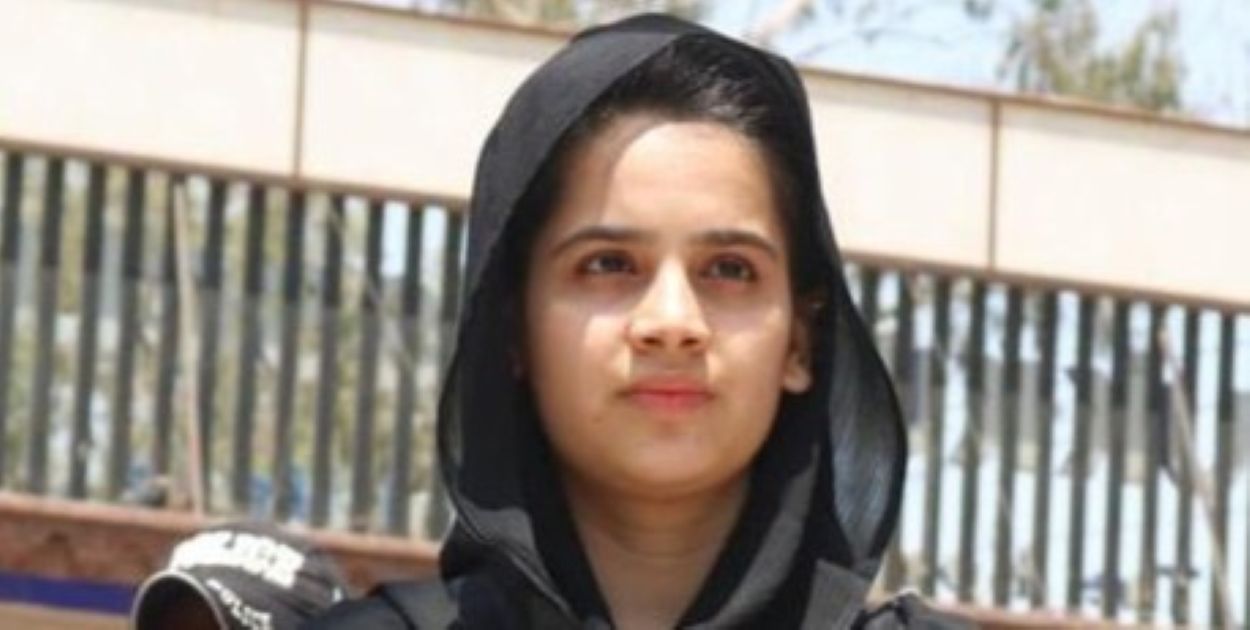
Following the acquittal, Umme Rubab Chandio expressed deep dissatisfaction with the judgment. She announced that she would challenge the Dadu triple murder case verdict in higher courts in pursuit of justice for her slain family members.
Security across the district remained on high alert as the verdict was announced. Authorities enforced Section 144 to prevent potential unrest and limit large gatherings, underscoring the case’s sensitivity and political implications.
With the acquittal now on record, legal attention shifts to potential appeals and judicial review at higher levels. The Dadu triple murder case continues to carry significant legal, social, and political weight, as observers watch how higher courts will respond to any challenges brought against the verdict.



