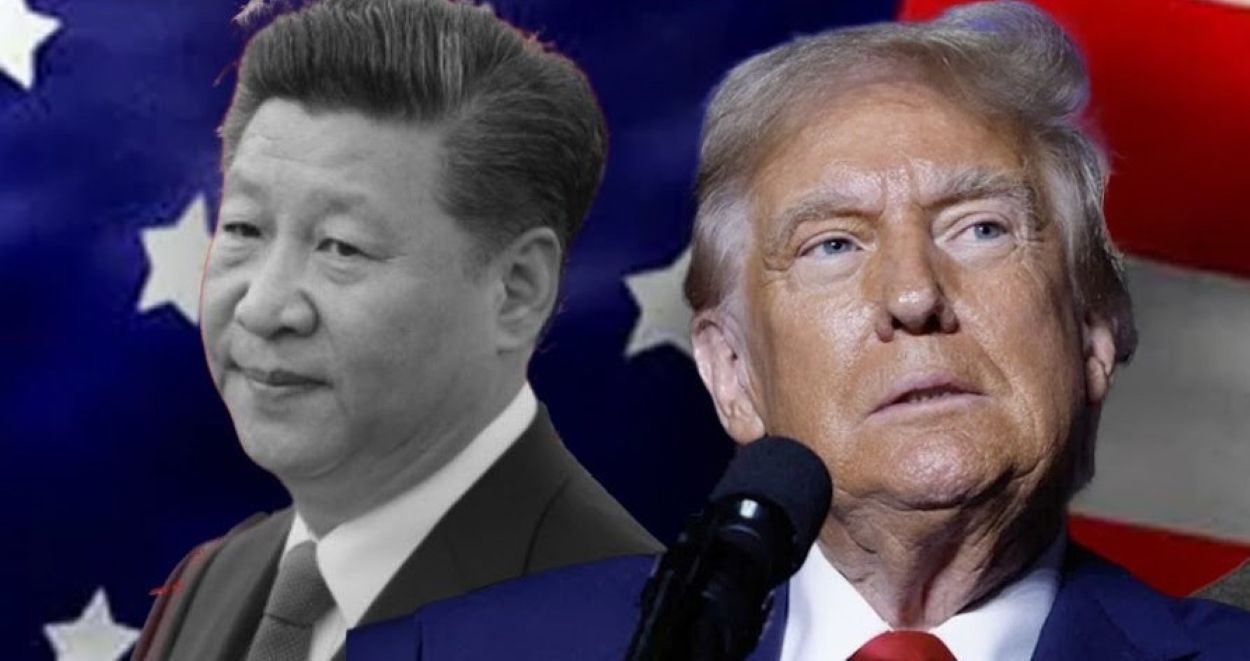

China’s Ministry of Foreign Affairs announced fresh sanctions on Friday against 10 individuals and 20 United States defence companies. This response follows recent American arms sales to Taiwan. The measures include restrictions on firms such as Boeing’s St Louis branch, which focuses on defence-related work.
A spokesperson for the United States Department of State said Washington strongly objected to the move. Under the sanctions, any assets held in China by the targeted companies and individuals will be frozen. Additionally, Chinese organisations and citizens are barred from doing business with them.
Those sanctioned include the founder of Anduril Industries and nine senior executives from other defence firms. They are also prohibited from entering China. Additional companies named include Northrop Grumman subsidiaries and L3Harris Technologies maritime services units.
China hits US defence firms with sanctions over arms sales to Taiwan https://t.co/3MVps44Brg https://t.co/3MVps44Brg
— Reuters (@Reuters) December 26, 2025Analysts note that the measures appear largely symbolic, given China’s limited commercial engagement with US defence contractors. By contrast, China has historically been a major buyer of Boeing’s civilian aircraft. This underscores the political rather than economic nature of the decision.
The sanctions follow Washington’s approval last week of an $11.1 billion arms package for Taiwan. This represents the largest such sale to date. The announcement drew a sharp response from Beijing, which considers Taiwan part of its territory, a position rejected by Taipei.
Decision on Taking Countermeasures Against U.S. Military-Related Companies and Senior Executives.https://t.co/vpTiekMx0i pic.twitter.com/pcEHtpIzUN
— Chinese Embassy in Tanzania (@ChineseEmbTZ) December 27, 2025A Chinese foreign ministry spokesperson said the Taiwan issue is central to China’s national interests. The spokesperson warned that any actions crossing what it described as a red line would trigger a strong response. The statement urged the United States to halt what it called dangerous efforts to arm the island.
The United States maintains that its policy has remained consistent for decades. A State Department spokesperson said US arms sales help Taiwan maintain self-defence capabilities. They also contribute to peace and stability across the Taiwan Strait. While calling on Beijing to reduce military, diplomatic, and economic pressure, the spokesperson urged China to engage in dialogue with Taipei.
The latest dispute comes as Boeing continues discussions to sell up to 500 civilian aircraft to Chinese carriers. This could be a potential breakthrough in a market where orders have slowed amid ongoing US–China trade tensions.