
As powerful winter storms move across the United States, meteorologists are warning of a potential bomb cyclone developing along the East Coast, raising concerns about severe weather and widespread disruption.
A bomb cyclone, formally known as bombogenesis, forms when a low-pressure system strengthens rapidly. Meteorologists define this process as a pressure drop of at least 24 millibars within 24 hours. When this threshold is reached, storms can intensify quickly and become highly destructive.
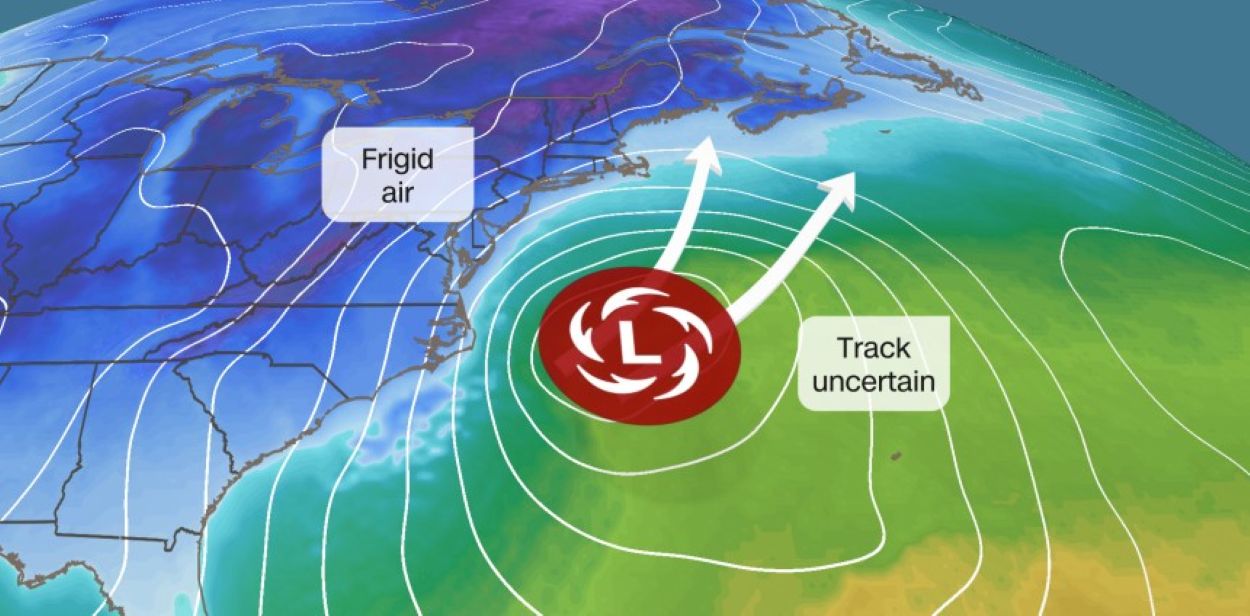
This rapid strengthening often occurs when frigid continental air collides with warm, moisture-rich air over the Atlantic Ocean. The sharp temperature contrast fuels explosive storm growth, leading to intense winds, heavy snowfall, blizzard conditions, and, in some cases, thunder and lightning.
A meteorologist from the National Weather Service warned that these systems pose far greater risks than ordinary winter storms. Wind gusts can exceed 50 miles per hour, while heavy snowfall and coastal flooding can severely disrupt daily life and transportation.
Winter Storm Gianna has been named and will be the nor’easter set to impact the East Coast this weekend. The track is still uncertain, so please check back here often. Here's the latest: https://t.co/3bQOTUzAyP pic.twitter.com/FuG81ajRfQ
— The Weather Channel (@weatherchannel) January 28, 2026Previous bomb cyclones offer a stark reminder of their destructive potential. In 2018, Winter Storm Grayson underwent extreme intensification, with atmospheric pressure dropping by 59 millibars in just 24 hours. The storm reached strength comparable to a Category 3 hurricane, triggering widespread power outages and halting travel along large parts of the East Coast.
Inland regions are not immune either. The “Octobomb” of 2010 shattered pressure records across the Midwest, demonstrating that bomb cyclones can cause severe impacts far from coastal areas.
Why the East Coast Is Especially Vulnerable
Bomb cyclones occur most often between October and March, though they can develop at almost any time. The US East Coast remains particularly susceptible due to the stark contrast between cold Arctic air masses and the warm Atlantic Ocean.
WINTER STORM THREAT IS GROWING along the East Coast, with high probabilities of at least minor winter storm impacts this weekend.
Blizzard conditions are possible where snow occurs, as a bomb cyclone will likely develop. pic.twitter.com/eGa0rLY3a0
— Max Velocity (@MaxVelocityWX) January 28, 2026Because these storms frequently develop near densely populated cities, their effects can escalate quickly. High winds, flooding, and heavy snow in urban areas increase the risk to infrastructure, public safety, and emergency response systems.
How to Prepare for a Bomb Cyclone
Weather experts urge residents in at-risk regions to take preparation seriously. Households should stock essential supplies, secure outdoor items, and closely monitor weather forecasts. Rapid changes in storm intensity can leave little time to react.
Emergency planners stress that underestimating bomb cyclones can have serious consequences. Staying informed and prepared is the most effective way to reduce risk during rapidly developing, potentially dangerous storms.