

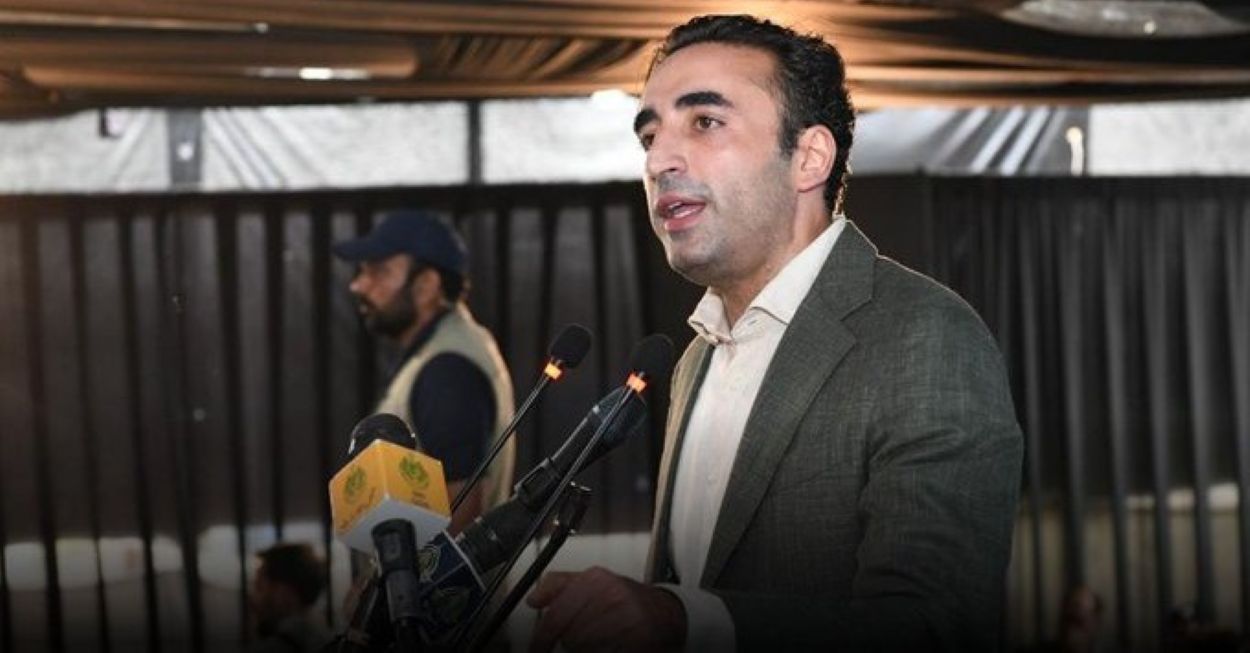

Bilawal Bhutto’s comments on Iran-US talks have placed fresh attention on Pakistan’s diplomatic role, with the PPP chairman saying there is no room for a “Plan B” and that peace must be the only outcome of negotiations between Washington and Tehran.
Speaking to BBC World about the Pakistan-hosted talks, Bilawal said the consequences of the conflict could be devastating not only for the region but for the wider world. He also warned that the war has already cost lives and hurt the global economy.
Bilawal said a ceasefire had been agreed after a month of efforts and stressed that the international community must support the negotiations. He argued that “Plan A”—peace—must succeed, underscoring the high stakes of the Islamabad talks. The negotiations follow a two-week ceasefire announced after six weeks of conflict. Pakistan is now hosting the talks after helping broker that pause in fighting.
Speaking from our own experience as Pakistan and India went to war a year ago and we also had a ceasefire, it did take a little bit to get every single aspect of that ceasefire implemented on the ground. I note that many aspects laid out as the outline of this ceasefire have been… pic.twitter.com/OZWFcpitvv
— PPP (@MediaCellPPP) April 10, 2026Bilawal said the recent war caused both a loss of human life and economic disruption. He added that Pakistan hopes the current process can bridge the confidence gap between the two sides and help build trust for a lasting settlement. He also noted that Iran’s 10-point formula has served as the basis for negotiations, though differences remain over several points.
Washington’s proposed 15-point framework focuses on Iran’s enriched uranium, ballistic missiles, sanctions relief and the reopening of the Strait of Hormuz. Tehran, meanwhile, has presented a counter-10-point proposal that calls for greater control over the strategic waterway, transit tolls, an end to regional military operations, and a comprehensive lifting of sanctions. Those differences show why the talks remain difficult, even after the ceasefire.
Read: Islamabad US-Iran Talks Begin After Lebanon Hurdle Eases
Responding to rumours of a possible Nobel Peace Prize nomination, Bilawal said the priority was not an award but lasting peace in the region. That response reinforced his attempt to keep the focus on diplomacy rather than personal recognition. The international community has broadly welcomed Pakistan’s role in helping secure the ceasefire and support the negotiations.
The conflict began on February 28 and killed more than 2,000 people before both sides halted fighting on April 8. Now that bombing and retaliatory actions have paused, Pakistan is trying to turn that opening into a broader peace process. For now, Bilawal’s message is clear: the talks must succeed because failure would carry consequences far beyond the region.



