

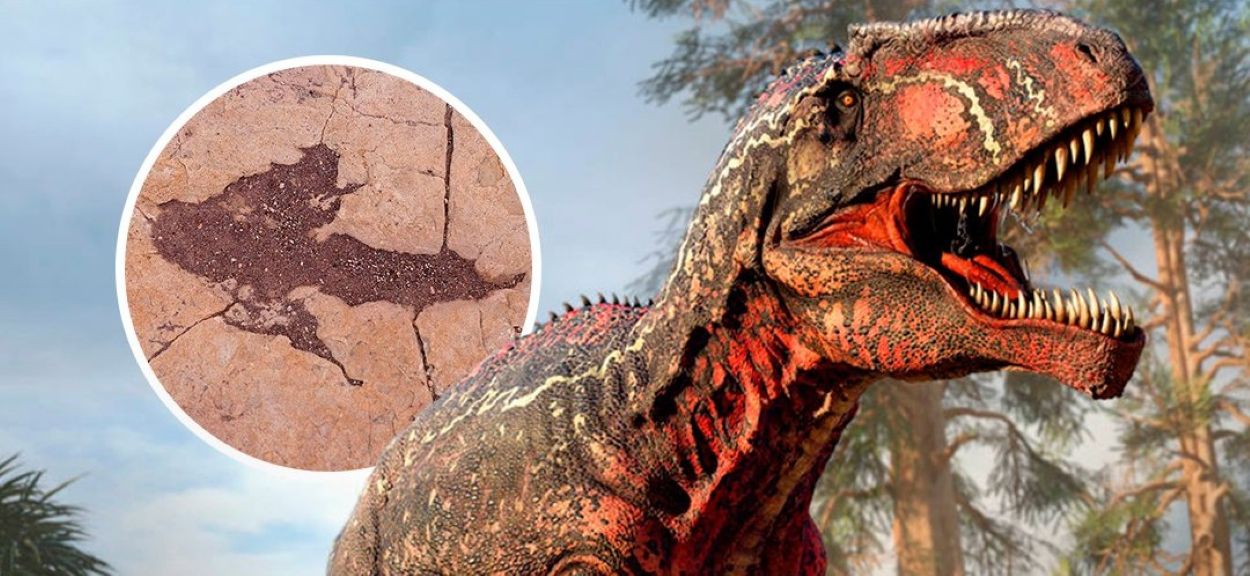

Scientists have made a monumental paleontological discovery. They found over 18,000 dinosaur footprints at a single site in Bolivia. This vast collection in the Andean plateau now holds the world record. It is the largest known concentration of dinosaur tracks on Earth.
The tracks are approximately 70 million years old. Their remarkable preservation offers an unprecedented window into the Cretaceous period. The discovery was formally published in the peer-reviewed journal PLOS One. A research team from Loma Linda University in California led the project.
The scientists conducted six years of intensive fieldwork. Their efforts focused on the Carreras Pampa area within Toro Toro National Park. The team meticulously documented 16,600 distinct footprints at the site. An additional 1,378 specialised “swim tracks” were also recorded.
😮 The world’s largest dinosaur track site, possibly 66 million years old, has been discovered in Bolivia.
pic.twitter.com/aC5gS1qCUJ
— Breaking911 (@Breaking911) December 9, 2025These swim traces indicate dinosaurs paddling through an ancient lake. The majority of the footprints belong to theropods. This bipedal carnivore group includes the famous Tyrannosaurus rex.
Co-author of the study, Roberto Biaggi, emphasised the site’s uniqueness. “There’s no place in the world where you have such a big abundance of theropod footprints,” Biaggi stated. “We have all these world records at this particular site,” he added.
Read: New Dinosaur Species Discovered in China Sheds Light on Jurassic Era Diversity
The footprints show an immense size range. Researchers identified tiny 10-centimetre prints from chicken-sized dinosaurs. They also found massive 30-centimetre stomps from creatures roughly 33 feet tall.
The world’s largest dinosaur track site, possibly 66 million years old, has been discovered in Bolivia
pic.twitter.com/HlrwxZSvwx
— Daily Loud (@DailyLoud) December 9, 2025Unique geological conditions enabled this exceptional preservation. The area was once the shoreline of a muddy freshwater lake. Fine carbonate sediment acted like natural cement. Rapid mud and sediment layers then covered the tracks, sealing them for aeons.
This preservation provides a vivid behavioural snapshot. Bones alone rarely offer such detailed insight into daily dinosaur life. The team identified 11 distinct trackway patterns. These include sharp turns, claw drags, and tail trails.
The patterns indicate a heavily trafficked transit route. Notably, researchers found no dinosaur bones at the Toro Toro site.



