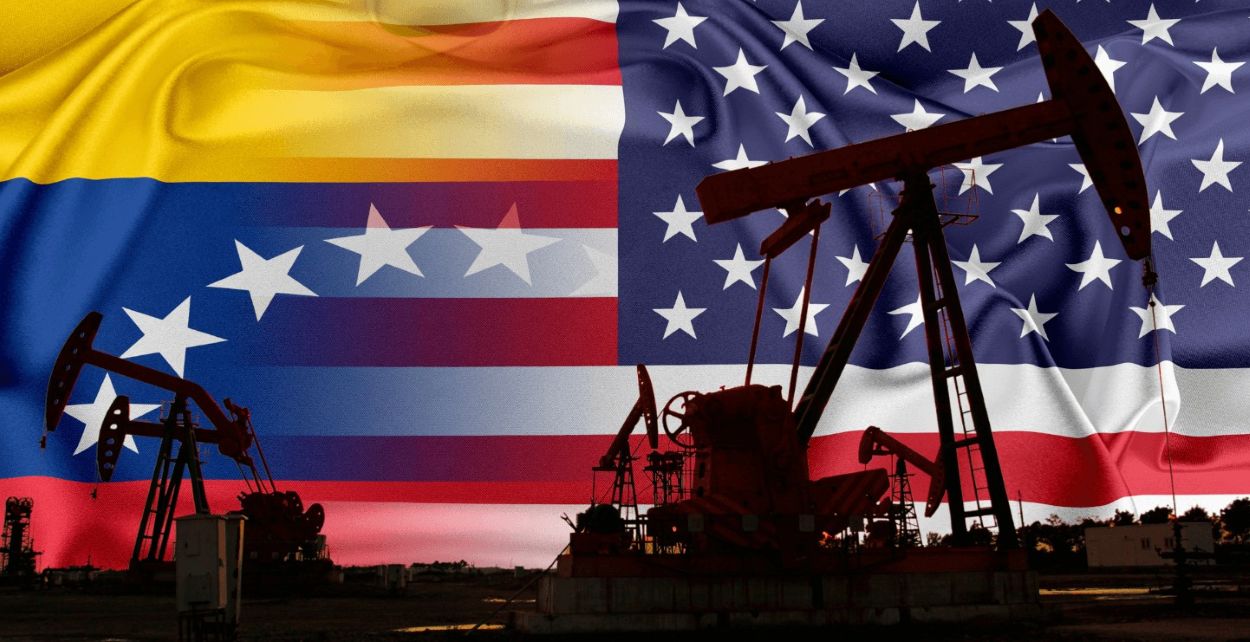

The United States and Venezuela have reached an agreement to export up to $2 billion worth of Venezuelan crude oil to the US.
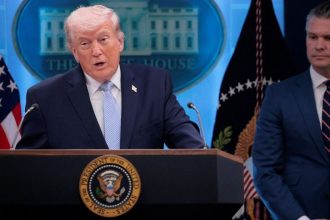
US President Donald Trump announced the deal on Tuesday, calling it a breakthrough in negotiations with Caracas. The agreement aims to redirect oil supplies away from China while easing pressure on Venezuela’s oil sector. It also reduces the risk of further production cuts.
Trump said the deal reflects Venezuela’s response to US demands for greater access to its oil industry. He has repeatedly pushed for expanded involvement of American energy companies.
Venezuela currently holds millions of barrels of crude in storage and on tankers. Export restrictions imposed in mid-December had blocked shipments. US pressure on Caracas intensified in recent weeks. The situation escalated after US forces captured Nicolás Maduro, an action Venezuelan officials condemned.
Trump said Venezuela will release between 30 and 50 million barrels of sanctioned oil. He stated that sales would occur at market prices. He added that proceeds would remain under US control to ensure oversight. The administration said the funds would benefit both countries.
US Energy Secretary Chris Wright will oversee implementation. Authorities plan to offload oil from tankers and send it directly to US ports.
Chevron’s Role and Market Reaction
The agreement is expected to boost Venezuelan oil flows to the US. Chevron currently manages all authorised shipments.
Chevron has shipped between 100,000 and 150,000 barrels per day under existing US licences. It remains Venezuela’s primary joint-venture partner. Following the announcement, US crude prices fell more than 1.5%. Traders priced in higher supply expectations.
Venezuela’s state oil firm PDVSA remains cut off from global banking. Sanctions continue to block dollar transactions. Venezuela has sold its flagship Merey crude at deep discounts. Current pricing values the deal near $1.9 billion.
Caracas and Washington have reached a deal to export up to $2 billion worth of Venezuelan crude to the United States, Trump said, a flagship negotiation that would divert supplies from China while helping Venezuela avoid deeper oil production cuts https://t.co/03ehuAhAta
— Reuters (@Reuters) January 7, 2026Officials from both countries discussed possible auction systems for US buyers. Talks also included temporary licences for PDVSA partners. Companies such as Reliance, CNPC, Eni, and Repsol have begun preparing for potential shipments.
Sources said Washington and Caracas also discussed future use of Venezuelan oil in the US Strategic Petroleum Reserve. US Interior Secretary Doug Burgum welcomed the move. He said increased oil flows could support jobs and stabilise fuel prices.
US Gulf Coast refineries can process heavy Venezuelan crude. Before sanctions, imports reached nearly 500,000 barrels per day. Analysts say exports must resume quickly. Without relief, Venezuela may face additional production cuts due to limited storage capacity.