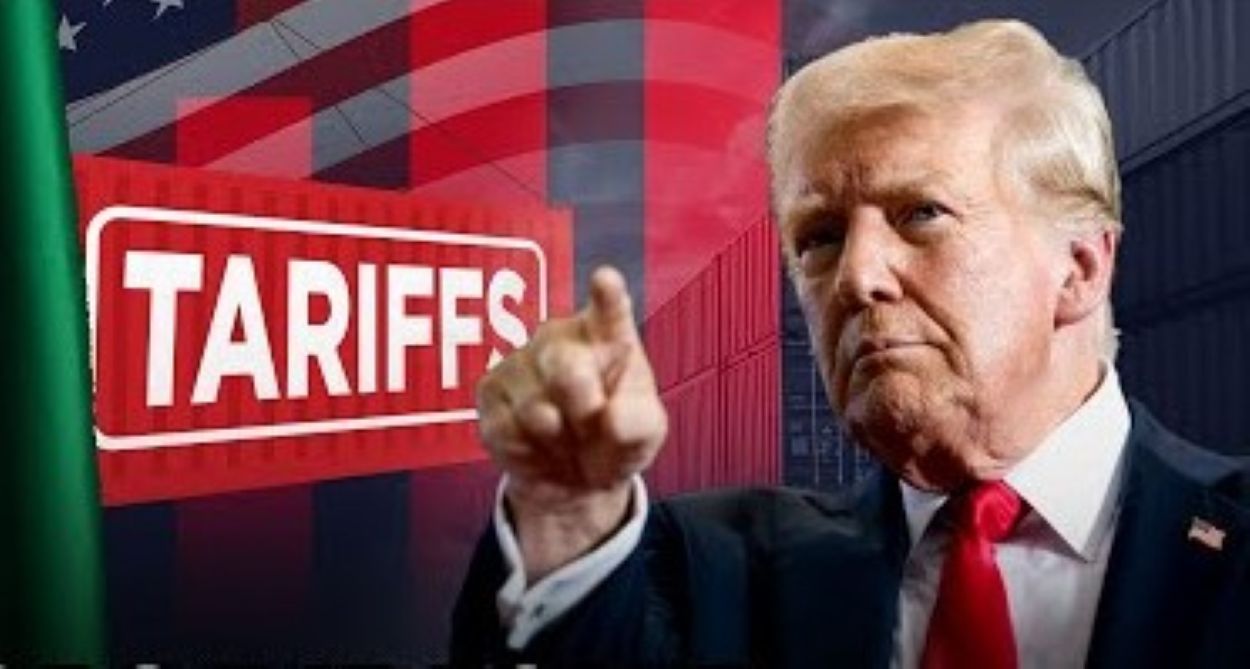

The US Supreme Court‘s tariffs decision triggered a cautious rally in global stock markets, while raising fresh concerns in the bond market about government finances and rising yields.
The court upheld a lower court’s ruling that President Donald Trump exceeded his authority under a 1977 law used to justify sweeping import duties. As a result, the government may face significant refund claims from companies that paid the tariffs.
Markets reacted positively at first. The S&P 500 rose modestly, and global equities also moved higher. However, the broader investor mood remained restrained.
US Supreme Court Tariffs Decision and Market Impact
The US Supreme Court tariffs decision provided relief to sectors heavily exposed to foreign trade. Retailers, consumer cyclical stocks, and exchange-traded funds tied to overseas markets initially gained ground.
Shares in major US trading partners also climbed. Investors said the ruling could benefit exporters and companies that rely on imported components.
At the same time, uncertainty lingered. President Trump signalled he would explore alternative legal pathways to re-impose tariffs, which could limit the long-term market impact.
The US Supreme Court struck down President Trump's sweeping tariffs that he pursued under a law meant for national emergencies, rejecting one of his most contentious assertions of his authority in a ruling with major implications for the global economy https://t.co/lq3EaHoyRm pic.twitter.com/zMsZNimbga
— Reuters (@Reuters) February 20, 2026Analysts noted that risk appetite may weaken if new duties are introduced under different authorities. Sectors sensitive to raw material costs, including technology, energy and industrials, remain exposed.
Bond Market and Deficit Concerns
While equities edged higher, bond markets showed caution. Yields on the 10-year US Treasury rose slightly as investors assessed the potential fiscal impact of refunding the tariffs collected.
Estimates from economists suggest refunds could amount to a substantial sum, though the legal process remains uncertain. The Supreme Court did not specify whether or how repayments should occur.
Market strategists warned that large refunds could widen the federal deficit and increase borrowing needs. That, in turn, may encourage bond investors to demand higher yields.
US President Donald Trump said the Supreme Court's ruling that struck down his sweeping tariffs was 'deeply disappointing' and that he was 'absolutely ashamed' by the justices who ruled against him in the 6-3 decision https://t.co/L8UVr5LNcY pic.twitter.com/eNekxHngyM
— Reuters (@Reuters) February 20, 2026Some analysts argued that fixed-income markets are less focused on past collections and more on future tariff policy. If new levies are imposed, revenue flows could resume, potentially offsetting refund pressures.
The ruling also casts doubt on projected tariff revenues that were expected to support long-term government finances. With US debt already elevated, investor deficit sensitivity remains high.
What Comes Next?
Investors now face two key questions: whether refunds will materialise and how the administration will respond.
Market participants said it may take time for equities and bonds to fully digest the implications. For now, stock indexes have stabilised, while bond yields reflect cautious fiscal positioning.
Read: China Zero Tariff African Imports Policy to Begin May 2026
The long-term impact of the US Supreme Court tariffs decision will depend on policy responses, legal outcomes and investor confidence in fiscal discipline.