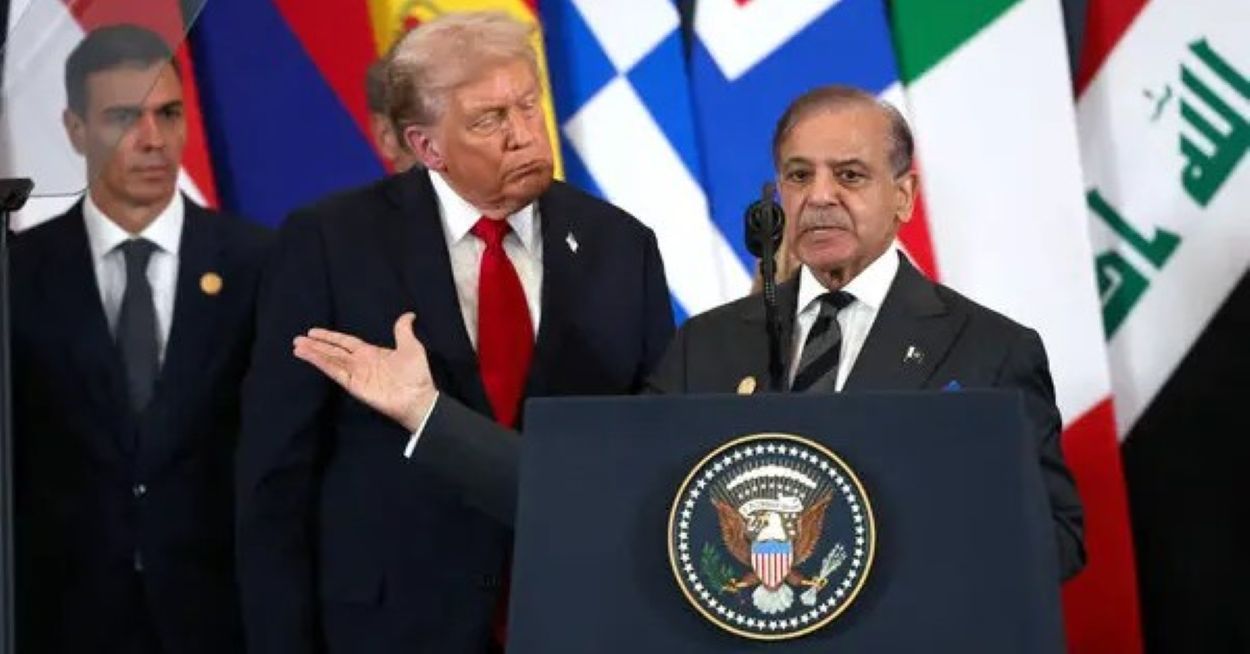

The US-Iran peace plan, mediated by Pakistan, has emerged as a key diplomatic development amid the ongoing conflict in the Middle East. Reports indicate that Washington has shared a 15-point proposal with Tehran through Pakistan, signalling a potential shift toward negotiations.
US President Donald Trump expressed optimism about ending nearly a month of hostilities. At the same time, Iran announced it would allow “non-hostile” oil vessels to pass through the Strait of Hormuz.
Iran’s decision to permit safe passage for certain vessels has eased fears of a prolonged energy crisis. The Strait of Hormuz handles a significant share of global oil shipments. Following this development, global crude oil prices dropped by nearly six per cent. However, uncertainty remains as many shipping companies continue to avoid the route due to insurance risks.
According to reports, the US proposal includes a one-month ceasefire. During this period, both sides would discuss broader terms, including Iran’s nuclear programme. The plan reportedly calls for Iran to hand over enriched uranium and halt further enrichment. In return, sanctions could be lifted, and Iran may receive support for civilian nuclear energy projects.
These proposals echo earlier efforts to revive nuclear agreements that collapsed in previous years.
Pakistan has offered to host negotiations between the US and Iran. Officials say the talks involve senior figures, including the US vice president.
This mediation effort places Pakistan in a significant diplomatic role at a critical time. It also highlights regional efforts to reduce tensions through dialogue. Despite progress toward diplomacy, violence has not fully subsided. Iranian missile strikes have caused injuries in Israel, while Israeli forces continue operations across Iran and Lebanon.
Israel has also intensified its campaign against Hezbollah in southern Lebanon. Meanwhile, several Gulf countries have reported intercepting drones and missile attacks. These developments show that the situation remains volatile despite ongoing talks.
Human and Regional Impact Grows
The conflict continues to affect civilians across the region. Reports highlight widespread displacement in Lebanon and ongoing fears among residents in Iran. Infrastructure concerns, particularly related to oil and gas facilities, remain a major worry. At the same time, regional tensions have drawn in multiple countries, further complicating the situation.
Read: Israel Strikes Tehran as US Pushes 15-Point Plan to End War; Pakistan Offers to Host Talks
Even as diplomatic efforts progress, the United States is reportedly preparing to deploy additional troops to the Middle East.
This dual approach, combining negotiations with military readiness, adds complexity to the evolving situation. The proposed peace plan offers a potential pathway to de-escalation. However, its success depends on mutual agreement and sustained diplomatic engagement. As negotiations continue, the world watches closely for signs of a lasting resolution to the crisis.