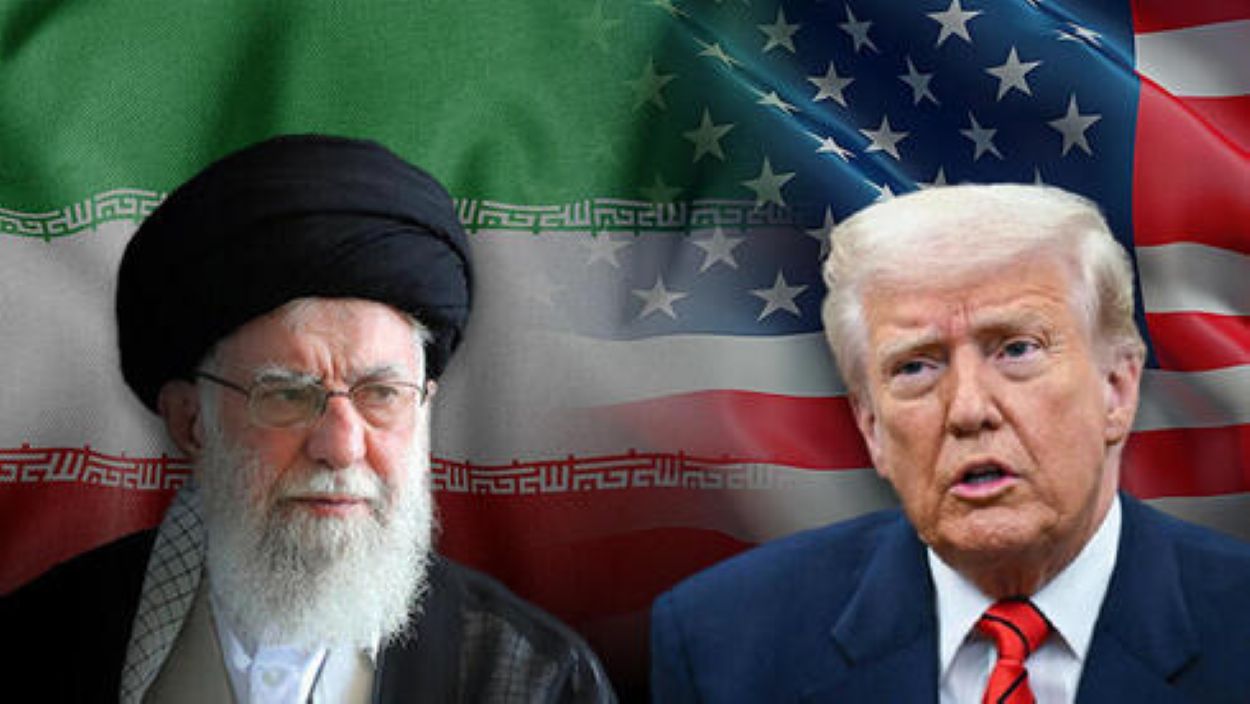

The US-Iran nuclear talks made progress, drawing cautious optimism after negotiations in Geneva, according to mediator Oman. However, despite hours of discussions, no breakthrough agreement was reached.
Omani Foreign Minister Sayyid Badr Albusaidi said both sides made “significant progress” and agreed to resume talks soon. Technical-level discussions are expected next week in Vienna following consultations in Washington and Tehran.
The talks come amid heightened tensions and a significant US military buildup in the region. President Donald Trump has repeatedly warned of possible military action if no agreement is reached.
US-Iran Nuclear Talks Progress, but Key Gaps Remain
While the US-Iran nuclear talks have made progress, major differences persist. Iranian Foreign Minister Abbas Araqchi said both sides agreed on some issues but remained divided on others.
Iran has reiterated its demand for the lifting of US sanctions. Washington, meanwhile, insists that sanctions relief would require substantial concessions from Tehran.
A central dispute involves uranium enrichment. The US wants Iran to halt enrichment entirely, arguing it could lead to nuclear weapons capability. Iran maintains that its program is peaceful and has long denied seeking a nuclear bomb.
The Trump administration has also pushed to include Iran’s ballistic missile program and regional activities in the negotiations. Iranian officials have suggested that separating nuclear and non-nuclear issues could help advance talks.
After the meetings, Axios cited a senior US official describing the discussions as “positive.” However, no formal agreement was announced.
Read: US Cites Evidence of Iran Nuclear Programme Rebuild Ahead of Geneva Talks
The diplomatic push is widely viewed as a critical moment. Analysts say a negotiated framework could reduce the risk of direct military confrontation. At the same time, failure to secure a deal may increase the likelihood of escalation.
Iran’s leadership faces mounting internal and economic pressure due to sanctions and unrest. President Masoud Pezeshkian reiterated that Supreme Leader Ayatollah Ali Khamenei has banned weapons of mass destruction, stating that Tehran will not pursue nuclear arms.