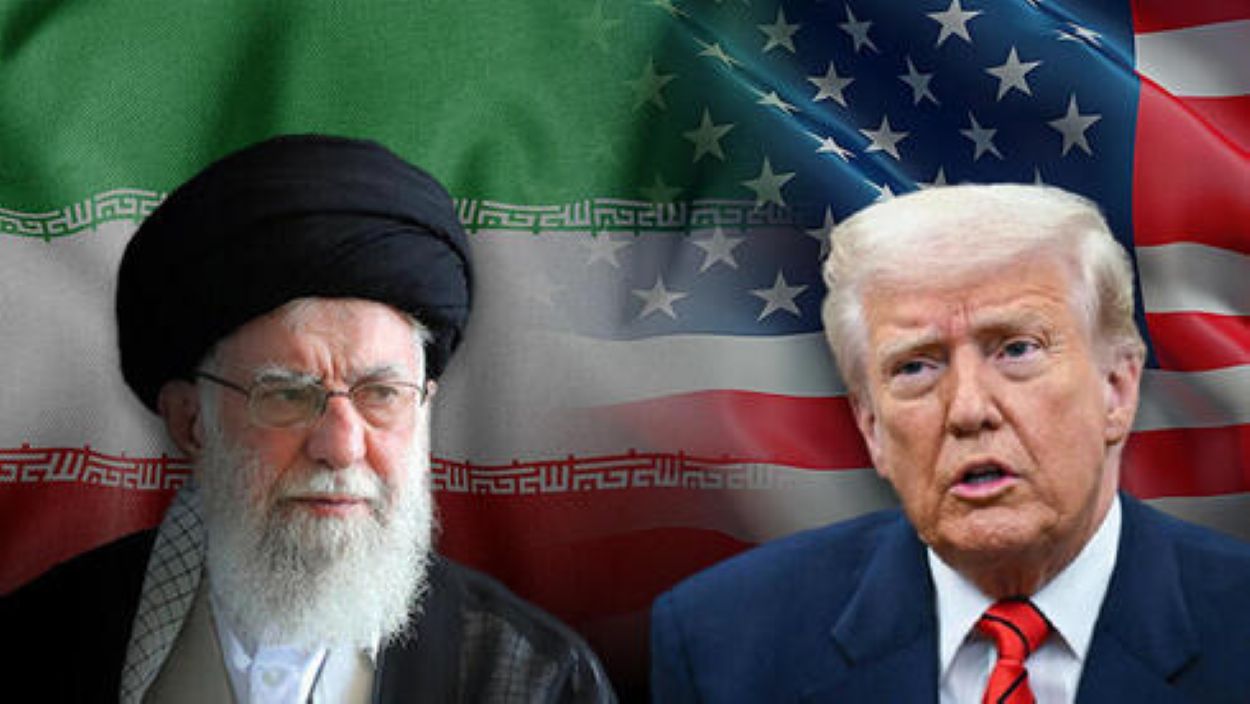

The prospects for a US-Iran ceasefire and the Middle East situation are drawing global attention, as shifting signals from Washington suggest a possible diplomatic pivot in the ongoing conflict.
Recent remarks by US President Donald Trump, ranging from predictions of a quick end to the war to claims that Iran is seeking a ceasefire, highlight growing strategic uncertainty.
Observers believe these statements may be part of a broader effort to test diplomatic ground before any formal ceasefire announcement. However, scepticism remains high. Iran has denied claims that it requested a ceasefire, calling such assertions “false and baseless.”
Meanwhile, continued strikes on energy facilities and infrastructure have deepened mistrust between the two sides. The key question is not just whether a ceasefire will be announced, but whether it can be sustained.
Past attempts at temporary truces have often collapsed due to deep mistrust and competing strategic interests. Experts suggest that any meaningful ceasefire must be comprehensive, verifiable, and reciprocal.
JUST IN: 🇮🇷 Iranian Foreign Minister Araghchi says Iran is seeking an end to the war with the US and Israel, not a ceasefire. pic.twitter.com/T8WtwEyoRC
— BRICS News (@BRICSinfo) April 1, 2026The conflict is already widening beyond its initial scope. Iran’s actions against regional assets and discussions about Gulf countries becoming involved signal rising risks of a broader war. Additionally, the Strait of Hormuz remains a critical flashpoint, with its strategic importance shaping negotiations and conditions.
A lasting ceasefire will depend not only on US-Iran dynamics but also on the positions of key regional actors, particularly Israel. Analysts note that differing interests among allies could complicate efforts to reach a unified diplomatic solution.
At the same time, backchannel diplomacy appears to be ongoing, with communication between US and Iranian officials continuing despite public escalation. Pakistan has played a role in encouraging restraint through diplomatic outreach, engaging with multiple stakeholders to prevent further escalation.
Other potential mediators, including Türkiye, Gulf states, European actors, and China, could also contribute to a broader multilateral effort.
The humanitarian and economic stakes are high. Continued attacks have far-reaching consequences, including energy disruptions, economic instability, and supply chain challenges. A ceasefire, even a temporary one, could provide space for negotiations and reduce immediate risks. Ultimately, the situation presents a narrow window for diplomacy. A well-structured ceasefire with clear terms and monitoring mechanisms could pave the way for longer-term solutions.
Without it, the risk of a wider regional conflict with global consequences remains significant.