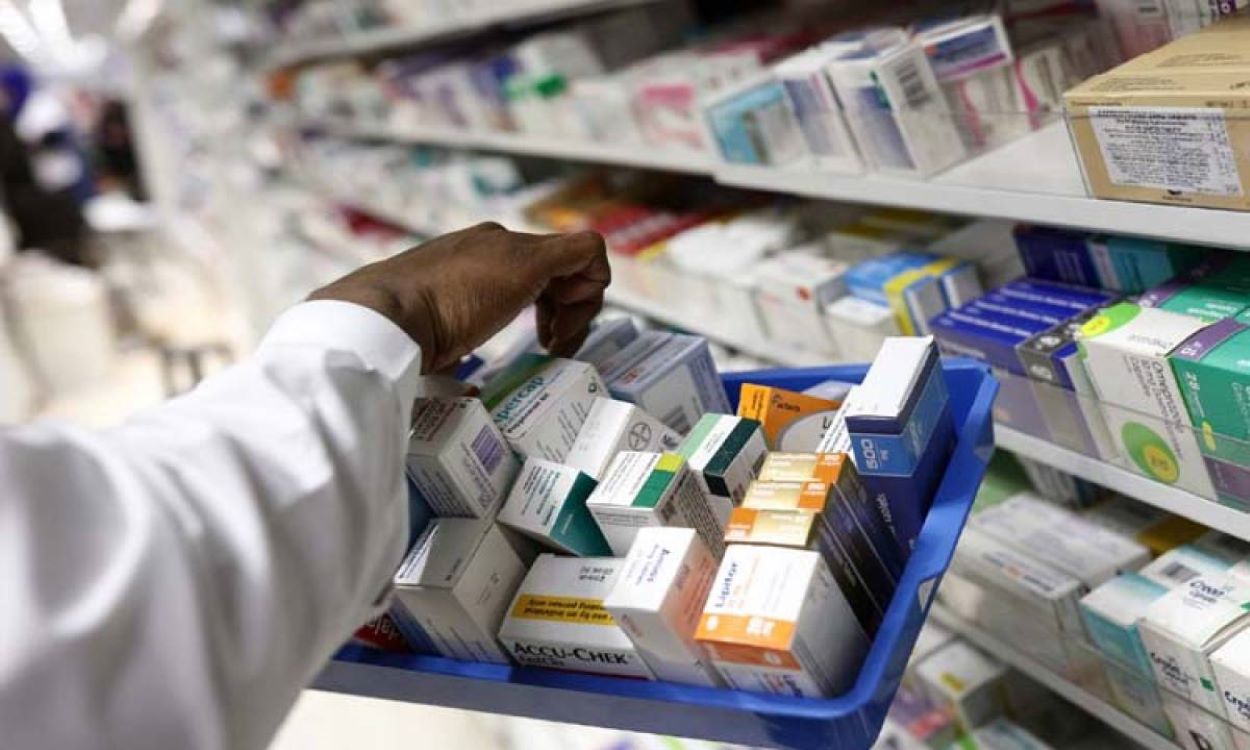

Drug manufacturers plan to raise US list prices on at least 350 branded medicines in 2026. This includes vaccines for COVID-19, RSV, and shingles, as well as blockbuster cancer treatments such as Ibrance, according to data from healthcare research firm 3 Axis Advisors.
The number of planned increases exceeds last year’s total at the same stage. Companies announced hikes for more than 250 drugs last year. The median increase stands at about 4%, broadly in line with adjustments made in 2025. These figures do not account for rebates to pharmacy benefit managers or other confidential discounts.
The planned hikes come despite sustained pressure from the Trump administration. The administration has urged pharmaceutical companies to lower prices to levels paid in other wealthy countries. While most manufacturers are raising prices, some have announced reductions. Around nine medicines will see list-price cuts, including a reduction of more than 40% for the diabetes drug Jardiance.
Drugmakers plan to raise US prices on at least 350 medications, including vaccines against COVID, RSV and shingles, even as the Trump administration pressures them for cuts, according to data provided by healthcare research firm 3 Axis Advisors https://t.co/OGlRfeyp0L pic.twitter.com/hi83YUECuc
— Reuters (@Reuters) December 31, 2025Jardiance is sold jointly by Boehringer Ingelheim and Eli Lilly. The drug is among 10 medicines for which the US government negotiated lower Medicare prices for 2026. This cut its cost by roughly two-thirds for seniors.
Despite these selective reductions, US patients continue to pay significantly more for prescription drugs than consumers in other developed countries. Often, they pay nearly three times as much.
The planned increases persist despite the Trump administration having reached pricing agreements with 14 drugmakers. These are for certain Medicaid-covered medicines and for some cash-paying consumers. Companies involved in these deals include Pfizer, Sanofi, Novartis, and GSK.
Read: Sanofi Acquires Blueprint Medicines for $9.5B
“These deals are described as transformative, but they only scratch the surface of what drives high US drug prices,” said Benjamin Rome, a researcher at Brigham and Women’s Hospital in Boston. He added that companies often offset public discounts by maximising list prices elsewhere in the system. A spokesperson for the US Department of Health and Human Services declined to comment.
Drugmakers plan to raise U.S. prices on at least 350 branded medications including vaccines against COVID, RSV and shingles and blockbuster cancer treatment Ibrance, even as the Trump administration pressures them for cuts, according to data provided exclusively by healthcare… pic.twitter.com/6TyUeTNUIv
— Yahoo News (@YahooNews) January 1, 2026Pfizer Leads Price Increases.
Pfizer plans the largest increase, affecting about 80 medicines. These include cancer drug Ibrance, migraine treatment Nurtec, COVID antiviral Paxlovid, and several hospital-administered medicines such as morphine and hydromorphone.
Most of Pfizer’s increases remain below 10%, though the company plans a 15% increase for its COVID-19 vaccine, Comirnaty. Some lower-priced hospital drugs will see much sharper jumps.
Pfizer said its average list-price adjustments for innovative medicines and vaccines in 2026 would remain below the overall inflation rate. The company argued that modest increases are needed to fund research and development and to cover rising operational costs.
Historically, January is the peak month for US drug price changes. Analysts expect additional increases and cuts to be announced in early 2026. 3 Axis Advisors, which works with pharmacy groups, health plans, and pharmaceutical stakeholders, compiled the data. The firm shares staff with drug-pricing non-profit 46brooklyn.