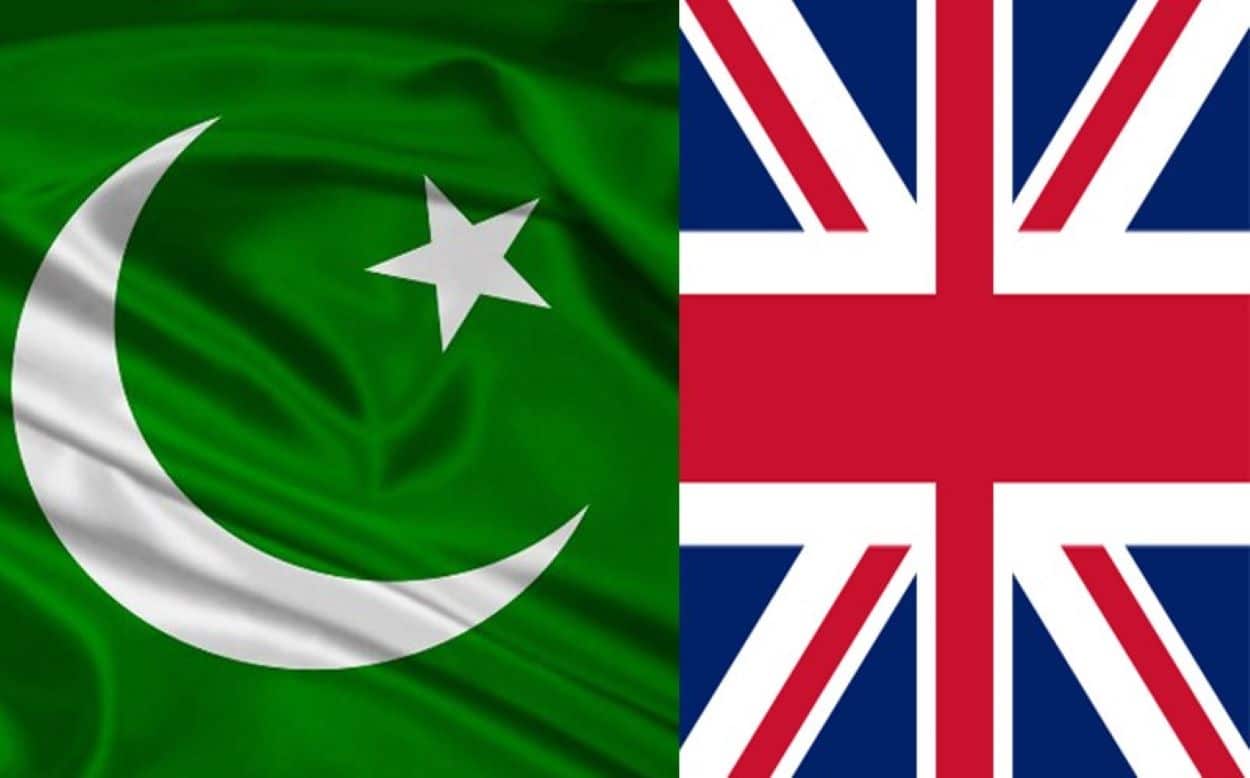

A growing number of UK universities are restricting student recruitment from Pakistan and Bangladesh due to concerns over visa abuse. Stringent new Home Office compliance rules also play a role. Reports confirm that at least nine higher education institutions have suspended or limited admissions from these “high-risk” countries.
The move follows a surge in asylum claims from international students. It is part of a broader government effort to reduce net migration. Border Security Minister Dame Angela Eagle recently warned that the student visa system “must not be used as a backdoor” to settlement in Britain.
Several universities have publicly confirmed policy changes. The University of Chester suspended recruitment from Pakistan until autumn 2026. They cited an “unexpected rise in visa refusals.” The University of Wolverhampton is not accepting undergraduate applicants from Pakistan and Bangladesh. Meanwhile, the University of East London has paused recruitment from Pakistan.
Read: UK Announces Sweeping Asylum Reforms Including Faster Deportations
Other institutions, such as the University of Sunderland and Coventry University, have also suspended recruitment from both countries. A University of Sunderland spokesperson stated they make “no apologies” for taking a firm stance. This is to protect the integrity of the student visa system.
The restrictions are a direct response to tightened Home Office rules introduced in September 2025. UK universities must now ensure that no more than 5% of their sponsored visa applications are rejected. This is down from the previous 10% threshold.
UK universities restricting recruitment of Bangladeshi and Pakistani students https://t.co/2Q1TlajKef
— Financial Times (@FT) December 4, 2025Current data reveals significant compliance challenges. The average student visa refusal rate for the year to September 2025 was 18% for Pakistan and 22% for Bangladesh. This is well above the new limit. These two countries accounted for half of the 23,036 visa cases refused by the Home Office in that period.
The crackdown presents a “real dilemma” for universities that depend on international student fees, according to higher education consultant Vincenzo Raimo. He noted that even a small number of problematic cases can threaten a university’s compliance status. This affects its right to sponsor students.
Read: Trump Administration Orders Heightened H-1B Visa Vetting
The situation is particularly distressing for legitimate applicants. Maryem Abbas, founder of Lahore-based Edvance Advisors, described the last-minute withdrawal of applications as “heartbreaking” for genuine students. She urged universities to better scrutinize overseas recruitment agencies. She said these have turned into a “moneymaking business” with little regard for student outcomes.
Jamie Arrowsmith, Director of Universities UK International, acknowledged that while the stricter rules are challenging, they are necessary to maintain public confidence in the immigration system. He advised institutions to diversify their international intakes. Additionally, they should enhance application vetting processes.