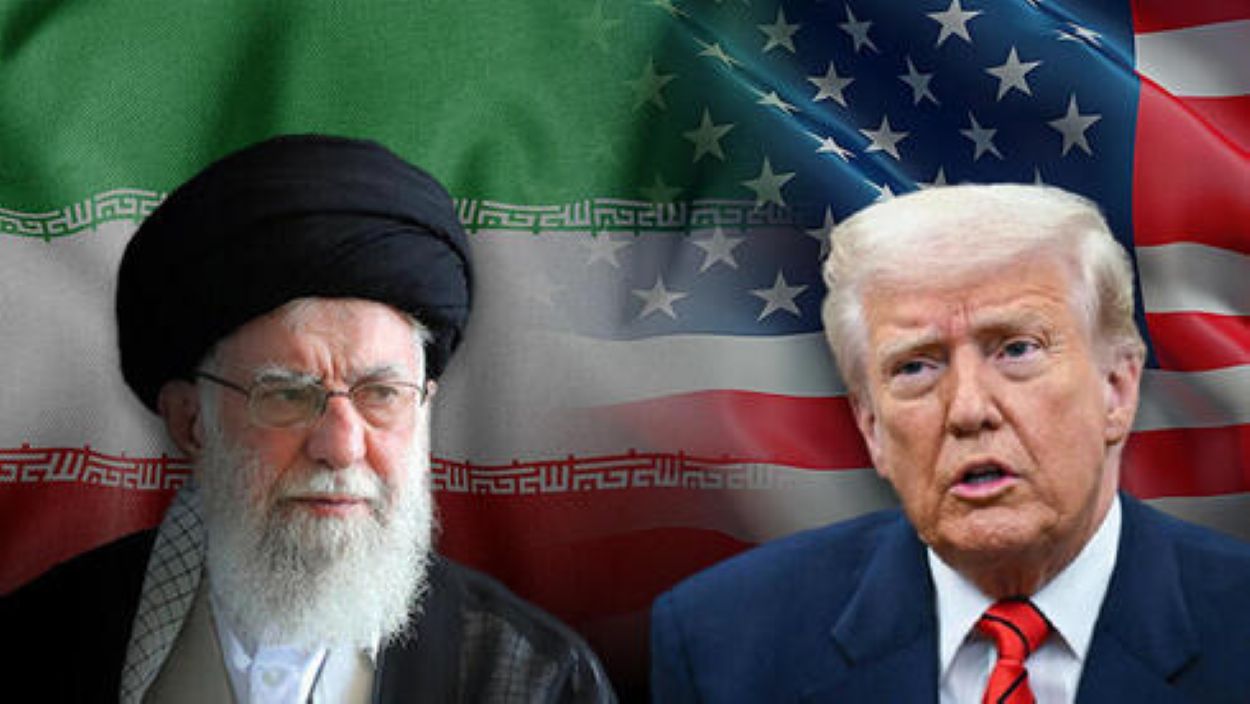

US President Donald Trump said on Wednesday that killings linked to Iran’s crackdown on nationwide protests appeared to be easing. He added that he did not believe Tehran planned large-scale executions of protesters. His remarks came as analysts and diplomats warned that any US military intervention could trigger serious regional fallout.
Speaking during an Oval Office event, Trump said he was relying on “very important sources on the other side” for his assessment. He stressed that Washington would continue to monitor developments closely. While he signalled cautious optimism, Trump did not rule out potential US military action.
Fears have intensified across the Middle East after repeated warnings from Trump that the United States could intervene in support of protesters. Regional experts caution that military action could backfire. They say it may smother protests, harden the government’s response, and provoke Iranian retaliation against US bases in the region.
.@POTUS: "We have been notified pretty strongly … we've been told that the killing in Iran is stopping … and there's no plan for executions…" pic.twitter.com/O8d2MwnDJb
— Department of State (@StateDept) January 14, 2026Some analysts warned of an even more dangerous scenario. They said strikes could hasten a collapse of the Iranian government, unleashing chaos in a country of about 90 million people. Such instability could encourage insurgencies among Kurdish and Baluch groups and leave Iran’s nuclear and missile programs unsecured.
Despite the unrest, several US intelligence assessments this week concluded that Iran’s government does not appear close to collapsing. Four sources familiar with the assessments said the protests pose a serious challenge but do not threaten the state’s survival.
#FPWorld Trump has said he had been told the killings of protesters in Iran had been halted, but added that he would "watch it and see" about threatened military actionhttps://t.co/OYKdJHx1eR
— Firstpost (@firstpost) January 15, 2026Behnam Ben Taleblu of the Foundation for the Defence of Democracies warned that the risks of regime change would accelerate rapidly. He cited restive ethnic minorities, unsecured materials, dispersed missile stocks, refugee flows, and ongoing atrocities as key dangers.
Iranian Foreign Minister Abbas Araqchi rejected claims of planned executions. In an interview with Fox News, he said there was “no plan” to hang people and called such reports unfounded.
The protests represent the most serious domestic challenge to Iran’s clerical leadership since the 1979 Islamic Revolution. Large crowds have demanded the government’s removal and clashed with security forces across multiple cities.
An Iranian official said more than 2,000 people have died since protests began on December 28. A rights group reported the toll to be above 2,600. Many experts believe the real number is higher.
Trump said the administration had received a “very good statement” from Iran. He added that Washington would assess the process before deciding on the next steps.
Read: Iran Says Situation ‘Under Control’ as Trump Weighs Military Options
Concern remains high among Gulf Arab states. A regional diplomat said governments in the Gulf are urging both Washington and Tehran to de-escalate. Tensions rose further after the US began withdrawing some regional personnel following Iranian warnings of retaliation against American bases.
Not all opposition figures oppose US action. Abdullah Mohtadi, leader of the Komala Party of Iranian Kurdistan, argued that only decisive US strikes could halt the killing of protesters. He dismissed fears of separatism and said opposition groups could work together to establish democratic rule.
In just 17 days, protests over Iran’s economy have erupted into the country’s worst unrest in years, with Tehran blaming foreign interference and Trump repeatedly threatening US military action.
Here’s how we reached this point. pic.twitter.com/Cz9y9P5yM7
— Al Jazeera English (@AJEnglish) January 14, 2026Trump has declined to outline his next move. One source said his aides are reviewing options, including limited strikes on symbolic military targets. Some experts believe Trump’s repeated warnings may leave him little room to step back without damaging credibility.
The impact, analysts say, would depend on target selection. Taleblu warned that symbolic strikes could dampen protests if Iranians see no real effect on security forces. Jon Alterman of the Centre for Strategic and International Studies suggested an alternative approach to pressure. He said disrupting Iran’s cash flows and launching cyber operations could give protests time to evolve without raising expectations of instant results.
A White House official said Trump remains intent on maintaining pressure on Tehran after earlier strikes on Iranian nuclear sites. The official added that Trump’s actions and rhetoric aim to signal resolve to US adversaries, citing the recent intervention in Venezuela that led to the fall of Nicolas Maduro.