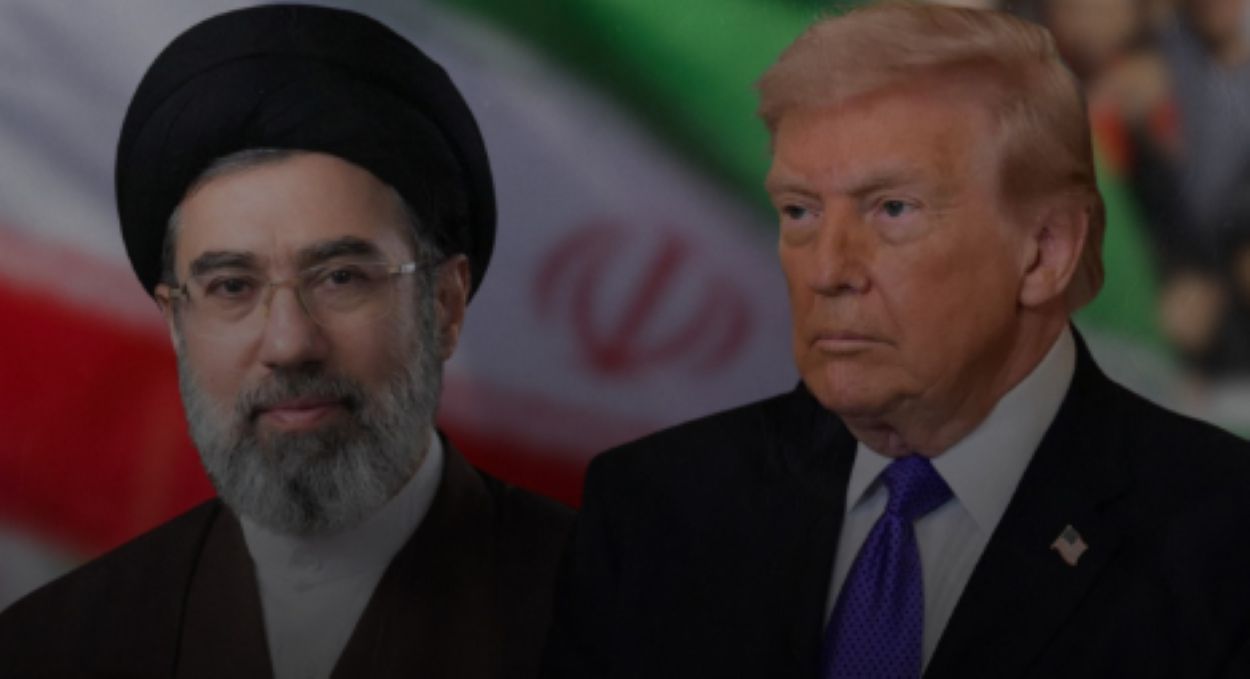

President Donald Trump signalled Friday that the United States may soon wind down military operations against Iran, offering the strongest indication yet that hostilities could end after three weeks of conflict.
In a post on Truth Social, Trump said the US was “getting very close to meeting our objectives as we consider winding down our great Military efforts in the Middle East.” The conflict began on February 28, and White House Press Secretary Karoline Leavitt noted that military planners had originally estimated a four- to six-week timeline.
“Tomorrow marks week 3, and the US Armed Forces are doing an exceptional job,” Leavitt said on X. “Day by day, the Iranian Regime is being crippled.”
US Temporarily Eases Iran Oil Sanctions to Stabilise Markets
Amid rising global concern over oil prices and supply shortages, the US Treasury announced it was temporarily lifting sanctions on Iranian oil already loaded onto vessels. The authorisation applies to crude and petroleum products loaded before March 20 and remains in effect through April 19.
Treasury Secretary Scott Bessent said the move would release approximately 140 million barrels of oil onto global markets, helping to relieve supply pressures caused by Iran’s disruption of regional energy routes.
The decision comes as Iran’s de facto blockade of the Strait of Hormuz, through which 20 per cent of the world’s oil typically flows, and repeated attacks on energy infrastructure have sent crude prices soaring.
President Trump: "We're doing extremely well in Iran. The difference between them and us is they had a navy two weeks ago. They have no navy anymore. It's all at the bottom of the sea. 58 ships knocked down in two days. We have the greatest navy anywhere in the world." pic.twitter.com/E9VzQzTV4I
— CSPAN (@cspan) March 20, 2026North Sea Brent crude rose 3.26 per cent on Friday to $112.19 per barrel. On Wall Street, stocks closed sharply lower as investors grew concerned that prolonged supply disruptions could trigger a global economic downturn.
Iran Launches Fresh Drone and Missile Attacks
Iranian forces continued military operations across the region, with Supreme Leader Mojtaba Khamenei claiming to have dealt a “dizzying blow” to his country’s enemies.
Saudi Arabia said it intercepted and destroyed more than 20 Iranian drones in the east of the kingdom early Saturday. Israel also reported a new wave of missiles fired from Iran, while accusing Tehran of attacks on holy sites in Jerusalem. A strike near the Al-Aqsa Mosque left a crater in the Old City.
Read: Iran Claims F-35 Hit Over Central Iran, US Disputes
Drone attacks struck Kuwait’s giant Mina Al-Ahmadi refinery on Friday, sparking a fire that authorities later brought under control. The strike came just a day after drones directly hit Qatar’s Ras Laffan natural gas facility.
🚨 BREAKING: President Trump states the US is close to achieving its objectives in Iran and may begin winding down military operations in the Middle East.pic.twitter.com/gAqtykPseM
— Derrick Evans (@DerrickEvans4WV) March 21, 2026The Israeli military launched strikes on Lebanon’s capital, Beirut, early Saturday, targeting the Iran-backed militant group Hezbollah after issuing evacuation orders for several areas.
Turkey condemned Israel’s strikes on Syrian army camps in southern Syria, calling the action a “dangerous escalation.” Syria has so far avoided being fully drawn into the regional war, though tensions continue to mount.
As the US considers winding down its direct military involvement, the broader regional landscape remains volatile, with energy markets and diplomatic channels closely watching each new development.