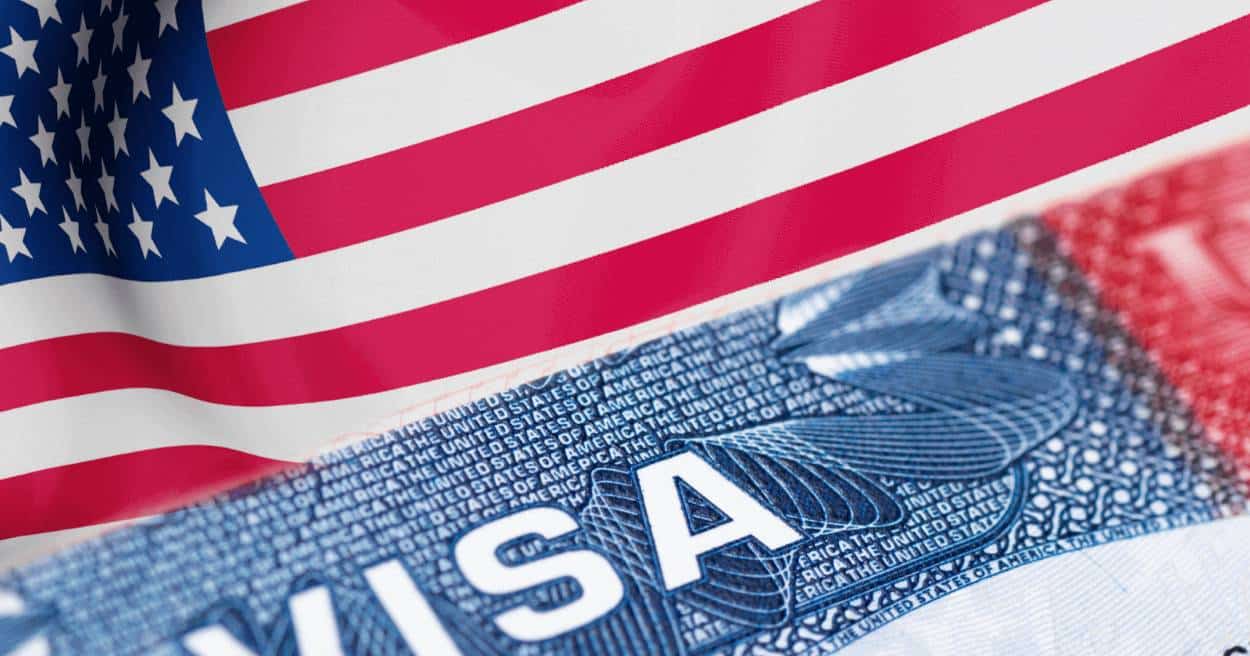

The Trump administration orders enhanced vetting for H-1B visa applicants, with consular officers directed to review for past roles in content moderation or “censorship.”
According to a State Department cable reviewed by Reuters, officers must now scrutinise applicants for any professional history involving the “censorship” of free speech. This could render them ineligible.
A cable sent to all U.S. diplomatic missions on December 2 instructs officers to review the resumes and LinkedIn profiles of H-1B applicants and their accompanying family members. The review focuses on professional experience in areas such as misinformation and disinformation, content moderation, fact-checking, compliance, and online safety.
“If you uncover evidence an applicant was responsible for, or complicit in, censorship or attempted censorship of protected expression in the United States, you should pursue a finding that the applicant is ineligible,” the cable states. It cites a specific article of the Immigration and Nationality Act.
#TrumpWatch | #US Announces expanded screening and vetting for H-1B and dependent H-4 visa applicants#H1B pic.twitter.com/mbEOWM3HrU
— CNBC-TV18 (@CNBCTV18Live) December 4, 2025While the policy applies to all visa categories, it mandates a “heightened review” for H-1B applicants. This is due to their frequent employment in the technology, social media, and financial services sectors. “You must thoroughly explore their employment histories to ensure no participation in such activities,” the directive adds. The requirements affect both first-time and renewal applicants.
This move aligns with the administration’s broader emphasis on free speech in foreign policy. It particularly focuses on its stance against what it labels the suppression of conservative voices online. Senior officials have repeatedly criticised European governments for actions against right-wing politicians in countries like Romania, Germany, and France.
Read: US Halts All Asylum Cases, Reopens Thousands Under Sweeping Security Review
In May 2025, Senator Marco Rubio threatened to impose visa bans on individuals who censor American speech. He suggested the policy could extend to foreign officials who regulate U.S. technology companies.
The heightened H-1B scrutiny is part of a series of immigration restrictions. The administration has already tightened vetting for student visas, screening social media for anti-U.S. sentiment. In September 2025, President Trump imposed new fees on H-1B visa applications.