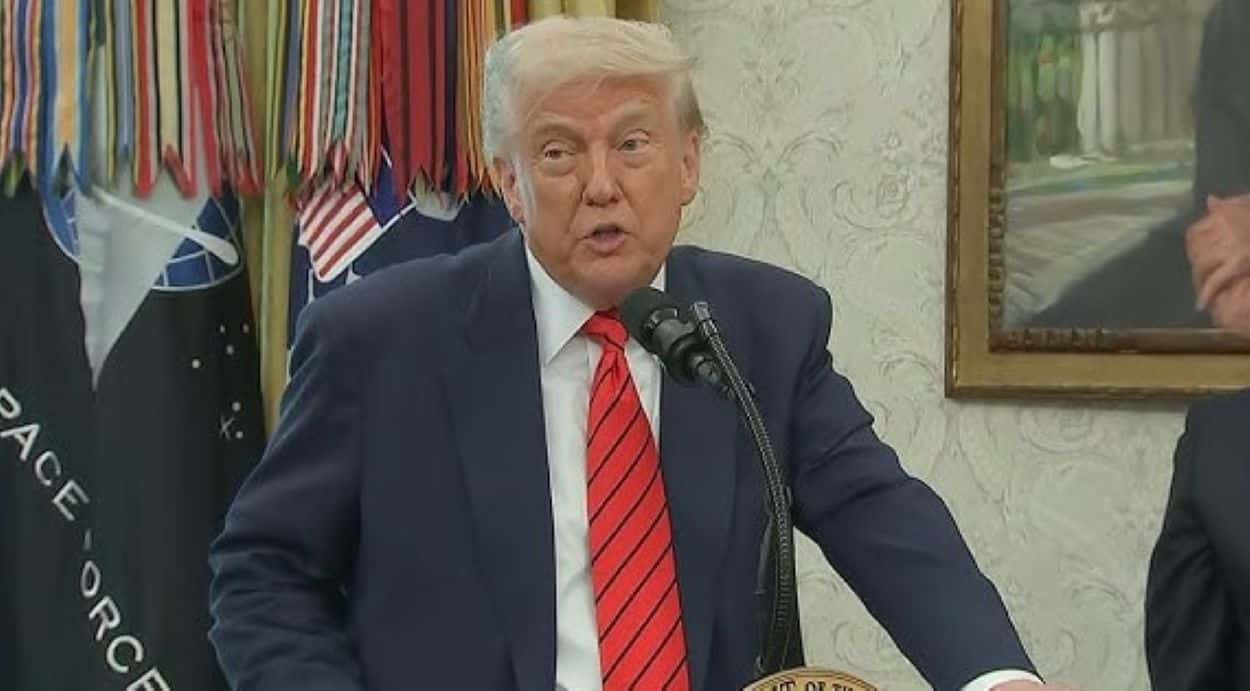

Trump’s civil service overhaul, Schedule F, marks the biggest change to the U.S. civil service system in more than a century. The policy allows President Donald Trump to hire and fire up to 50,000 career federal employees.
The administration announced the overhaul on February 5 through the Office of Personnel Management. The change fulfils a campaign pledge to remove job protections for federal workers deemed to influence government policy.
Under the new rule, Trump gains authority to decide which federal positions lose civil service protections. These roles include employees that the administration believes undermine presidential priorities.
Trump first introduced the idea during his earlier term. He referred to the plan as Schedule F. The administration now says the overhaul will improve accountability within government agencies.
OPM Director Scott Kupor defended the move. He said leaders cannot run organisations if employees refuse to carry out lawful orders.
Read: Trump Assassination Attempt Convict Gets Life Sentence
Legal challenges already underway
The rule now faces legal scrutiny. A federal judge will review the policy in the coming days.
Federal worker unions and advocacy groups filed lawsuits in January to block the rule. Courts paused the cases while the administration finalised the policy. Skye Perryman of Democracy Forward said the group will return to court to challenge what it calls an unlawful rule.
President Trump will have more power to hire and fire up to 50,000 career federal employees in an overhaul of the government's civil service system announced by his administration https://t.co/6B9bsmjhgo pic.twitter.com/3QeMuKEhGL
— Reuters (@Reuters) February 6, 2026If enforced, the overhaul could reshape how federal agencies operate. Thousands of employees may lose long-standing job protections.
Critics argue the rule could politicise the civil service. Supporters say it gives elected leaders more control over policy execution. The administration maintains the change targets positions, not individual political beliefs.
Changes to whistleblower protections
The Trump administration also announced changes to how whistleblower protections will work. The new approach alters the enforcement of laws that protect federal employees from retaliation.
Federal agencies will now establish protections for employees who report wrongdoing. This includes allegations such as legal violations or misuse of funds.
Previously, an independent body known as the Office of the Special Counsel handled whistleblower protection. The shift moves that responsibility directly to the agencies accused of misconduct.
Legal challenges will determine whether the rule takes effect. Courts will assess whether the administration acted within its authority.
For now, uncertainty remains for federal workers. The outcome could redefine civil service protections and executive power for years to come.