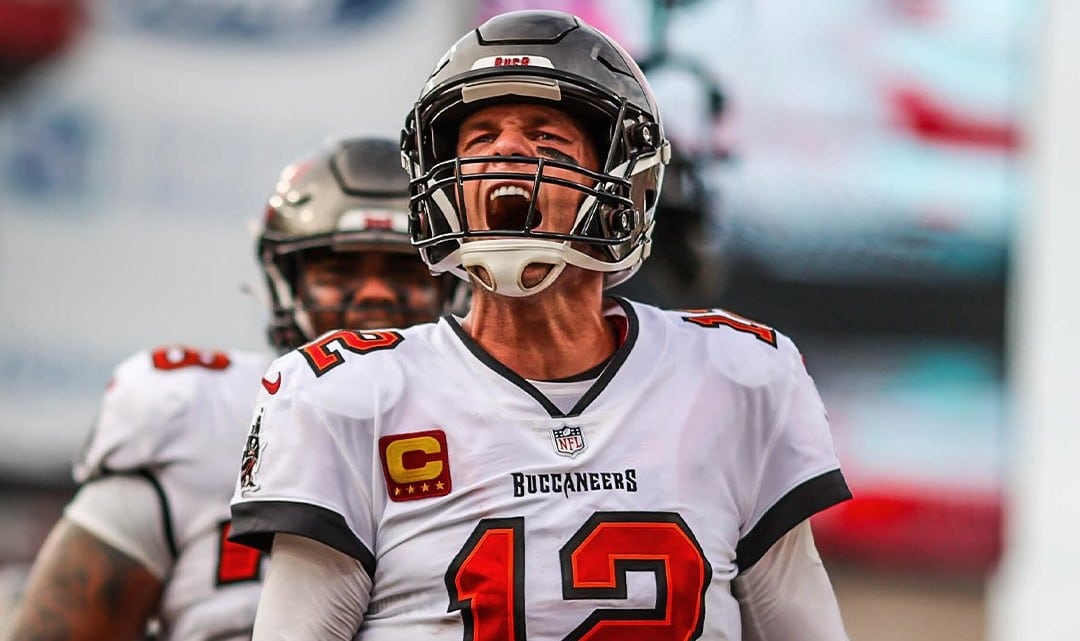

The Tom Brady Hall of Fame debate has taken an unexpected turn. Rob Parker, a longtime critic of the New England Patriots, says the seven-time Super Bowl champion should not be enshrined in Canton, not because of his talent, but because of how his success came together.
Speaking on Stephen A. Smith’s podcast, Parker tied Brady’s legacy directly to the controversies that followed the Patriots for years. He argued those moments should carry real consequences when it comes to football’s highest honour.
There is no debating what Tom Brady accomplished on the field. According to official NFL records, he finished his career with seven Super Bowl titles, five Super Bowl MVPs, over 89,000 passing yards, and 649 touchdown passes.
His partnership with Bill Belichick turned the Patriots into a dynasty that shaped an entire era of football. For two decades, January meant New England was still playing. But that run was never free from controversy.
In 2007, the NFL penalised the Patriots in what became known as Spygate, after the team was caught filming opposing signals. Years later, the Wells Report tied Brady to Deflategate, concluding it was more probable than not that he was aware of underinflated footballs. The result was a four-game suspension in 2016.
Another incident surfaced in 2019, when a Patriots video crew filmed the Cincinnati Bengals’ sideline. The team said it was for a documentary, but it added to the narrative that had followed them for years.
A Debate About Integrity, Not Talent
Parker’s argument centres on where the line should be drawn. He pointed to other sports for comparison: players like Barry Bonds, Roger Clemens, and Pete Rose have been kept out of their respective Halls of Fame despite historic careers.
“Tom Brady is like Lance Armstrong without the bicycle,” Parker said, doubling down on the idea that success tied to controversy should not be celebrated the same way.
Still, there is a key difference. Brady was never banned from the NFL. He served his suspension, returned, and kept winning, including a Super Bowl title with the Tampa Bay Buccaneers in 2020, which many view as validation of his greatness outside of New England.
Timing plays a significant role. Brady retired in 2023, which means his Hall of Fame eligibility is approaching. He is widely expected to be a first-ballot inductee, a distinction reserved for the most impactful players in league history.
At the same time, the way fans and voters view legacy is shifting. Conversations around fairness, accountability, and context carry more weight now than they did even a decade ago. That shift gives Parker’s comments weight, even if they represent a minority view.
What This Says About Brady’s Place in History
Around the league, the expectation has not changed. Executives, analysts, and former players still view Tom Brady as a lock for Canton.
Read: Logan Paul Doubles Down in Tom Brady Feud Ahead of Fanatics Event
But debates like this show that his story is more layered than just rings and records. It is about dominance but also about the moments that made people question how that dominance was built.
As Hall of Fame voting approaches, the outcome feels predictable. The conversation around it does not.