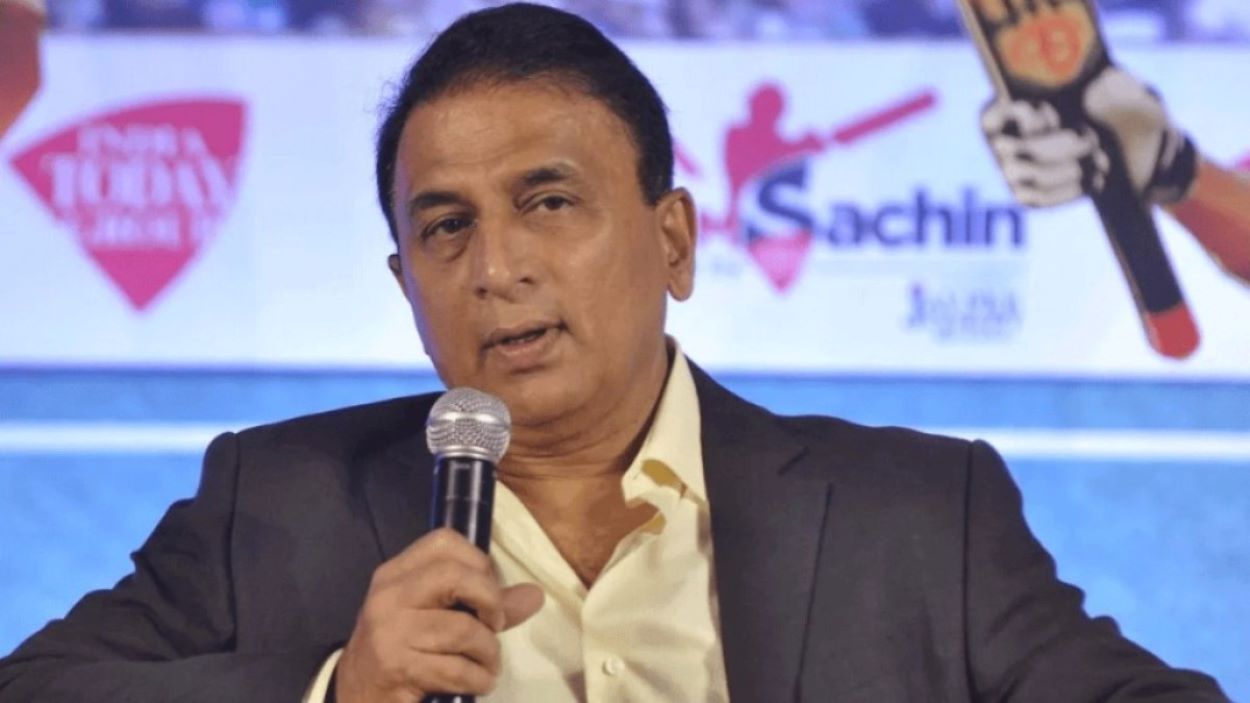

Sunil Gavaskar’s criticism of IPL overseas players has sparked a fresh debate after the former India captain questioned the commitment of foreign cricketers who delay or limit their participation in the tournament.
In his remarks, Gavaskar challenged both injury explanations and arguments about workload management. He also urged the BCCI to consider stricter rules for players who do not fully commit to the roles franchises expect them to perform.
Gavaskar said franchises invest heavily in overseas stars and deserve full commitment in return. He argued that informing a team in advance about limited availability does not automatically justify the decision, especially when franchises spend significant money and effort on players and their families.
He also repeated that international duty must come first. Even so, he made it clear that franchises should not have to accept partial commitment without stronger accountability.
Gavaskar dismisses workload concerns for bowlers
A major part of Gavaskar’s criticism focused on bowlers who cite fitness or workload issues. He argued that bowling four overs in a T20 match should not constitute an excessive physical burden, especially for players who regularly train at a similar intensity.
He wrote that, across 14 league games, a bowler would need to deliver only 56 overs over roughly two months. If a team reaches the final, that total might rise only slightly. For Gavaskar, those numbers do not support claims that the workload is too demanding.
Gavaskar said the BCCI should step in and frame tighter rules around overseas player participation. His argument suggests that IPL teams need more protection when high-profile signings arrive late, miss games, or manage workloads in ways that affect team balance.
The comments come as several overseas players face scrutiny over fitness issues, delayed starts, or limited availability, adding pressure on franchises trying to build consistency during the tournament.
‘Cash cow’ remark widens debate over IPL economics
Gavaskar also turned his attention to the financial side of overseas participation. He described the IPL as a “cash cow” not only for foreign players but also for their cricket boards.
He said that overseas boards receive 10% of the fees paid by players from their countries. He also pointed out that other major T20 leagues do not offer similar payments to foreign boards, using that comparison to question why IPL stakeholders continue to shoulder the extra cost.
Read: Glenn Maxwell Withdraws from IPL 2026 Auction After Illustrious Stint
Gavaskar’s remarks tap into broader concerns about player availability, franchise value, and the balance between national duty and league commitments. His criticism also reflects frustration among fans and franchises who expect top overseas names to be fully available once they sign up for the IPL.
As the tournament continues, the debate may shift toward whether the BCCI changes its rules or leaves franchises to manage these issues on their own.