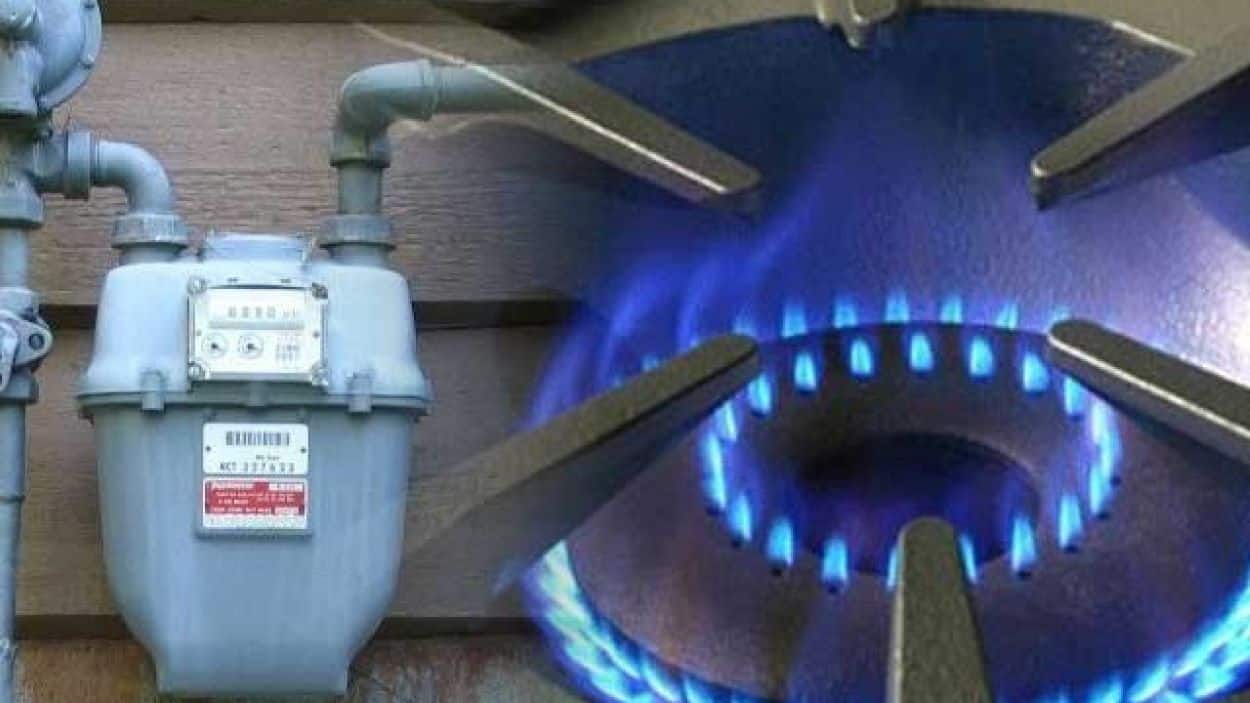

Sui Northern Gas Pipelines Limited (SNGPL) has issued a formal winter gas load-shedding schedule for domestic consumers. The plan affects households across Punjab and Khyber Pakhtunkhwa from December to February. Officials advise families to prepare breakfast and other meals during the designated supply hours.
According to the schedule, gas supply will occur in three intermittent daily time slots. These slots are from 5:30 AM to 8:30 AM, then from 11:30 AM to 1:30 PM, and again from 5:30 PM to 8:30 PM.
Official Stance: No Industrial Load-Shedding, but Calls for Conservation
SNGPL officials stated that they are not conducting load shedding for the industrial sector. They acknowledged that winter demand has “increased many times over,” but insisted that gas remains in the system with no physical shortage.
The company further urged consumers to practice conservation. Officials cautioned that gas is expensive and advised the public to use it judiciously, only when necessary.
اب گیس کی نو ٹینشن! pic.twitter.com/vW0KxImPuu
— SNGPL Official (@SNGPLofficial) December 6, 2025This announcement follows recent federal government directives on winter gas management. On November 24, Minister for Petroleum Ali Pervez Malik chaired a review meeting. He directed gas utilities to ensure an uninterrupted winter supply and take all necessary steps to facilitate the public.
An official statement noted that the domestic gas supply this year is “significantly better” than in the previous winter. SNGPL’s Managing Director informed the meeting that consumers currently receive gas not only at mealtimes but from 5 AM to 10 PM.
The minister stated that improvements were prioritised to serve public convenience. The meeting included officials from the Petroleum Division, SNGPL, SSGC, and OGRA (Oil and Gas Regulatory Authority).
Expert Analysis: A Persistent Structural Challenge
Gas load-shedding remains a major political and social concern in Pakistan. The country holds only 0.4% of global gas reserves but accounts for 1.1% of global consumption, creating a structural supply-demand gap.
Households claim roughly 50% of the distributed gas, followed by the fertiliser sector, power plants, and industrial users. The chronic shortage led to a ban on new domestic connections in 2021, pushing households toward costly alternatives such as LPG (Liquefied Petroleum Gas).
A recent policy shift now allows new RLNG (Regasified Liquefied Natural Gas) connections for domestic users, resuming after a four-year suspension. However, the winter schedule underscores the ongoing challenge of managing limited resources against high seasonal demand.