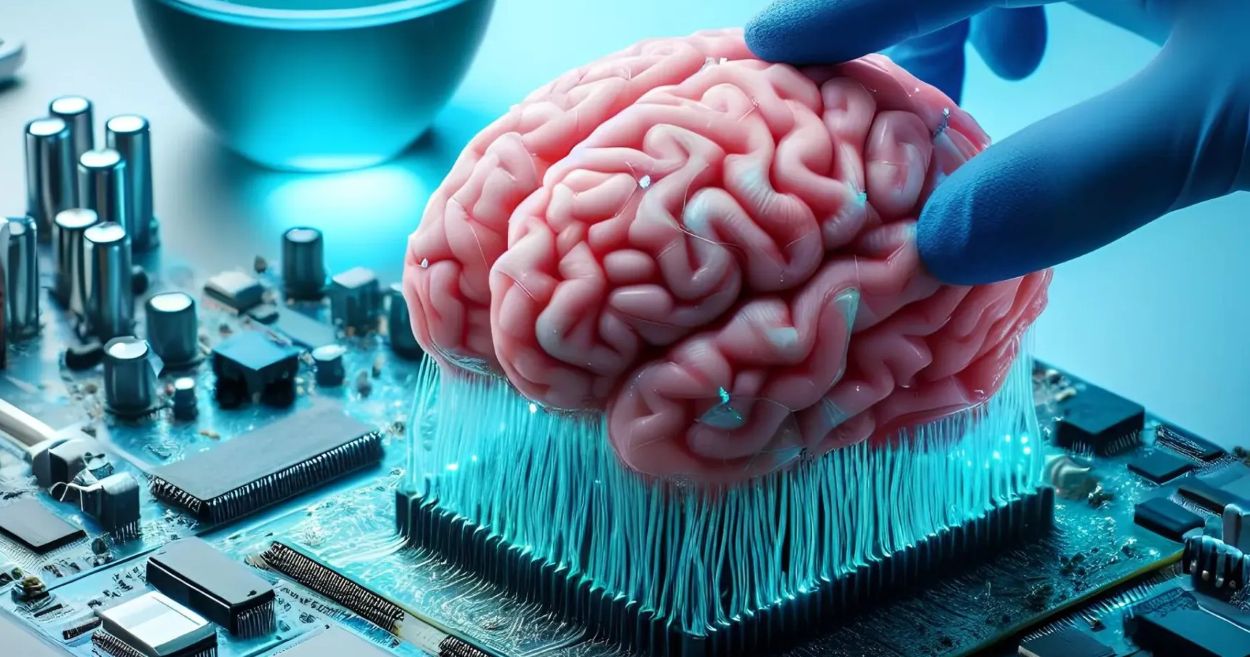

The shrinking human attention span has become one of the most discussed cognitive shifts of the 21st century. Attention span refers to the length of time a person can maintain focus on a single task, activity, or stimulus. It plays a central role in how we learn, work, and interact with our environment.
Research suggests that the average human attention span has dropped significantly in the digital era. Studies indicate it is now around 8.25 seconds, shorter than that of a goldfish. This decline reflects a broader change in how the brain processes information.
Research led by Dr Gloria Mark at the University of California, Irvine, tracked attention patterns over two decades. In 2004, the average focused attention span on digital screens was about 150 seconds. By 2012, it had fallen to 75 seconds. More recent findings show that by 2024, it had declined further to approximately 47 seconds.
Shrinking Human Attention Span in the Digital Age
Experts link the shrinking human attention span to disruptions between two key brain systems: the involuntary attention system and the goal-oriented system. The involuntary system reacts automatically to external stimuli, while the goal-oriented system enables sustained focus.
Digital platforms, especially social media, are designed to stimulate the involuntary system. Notifications, bright visuals, and unpredictable content constantly compete for attention. Over time, this repeated stimulation can fatigue the prefrontal cortex, the brain region responsible for executive function and impulse control.
Each time the brain shifts focus, a “switching cost” occurs. Switching costs include reduced performance, slower reaction times, and increased errors when moving between tasks. Because the brain functions as a serial processor, it does not truly multitask. Instead, it rapidly switches between activities.
Read: Neuralink to Begin Mass Production of Brain Implants in 2026: Elon Musk
In environments dominated by short-form videos and constant scrolling, users consume multiple pieces of content within minutes. This pattern keeps the brain in a state of partial attention. As a result, it becomes harder to enter a flow state, which is necessary for deep learning, creativity, and complex problem-solving.
Frequent notifications also activate the sympathetic nervous system, placing the body in a low-level “fight or flight” mode. Over time, this stress response may contribute to digital burnout and increased anxiety levels.
Understanding the shrinking human attention span can help individuals make more mindful choices about digital consumption. While technology offers many benefits, balancing screen time with focused, uninterrupted tasks may support healthier cognitive functioning.