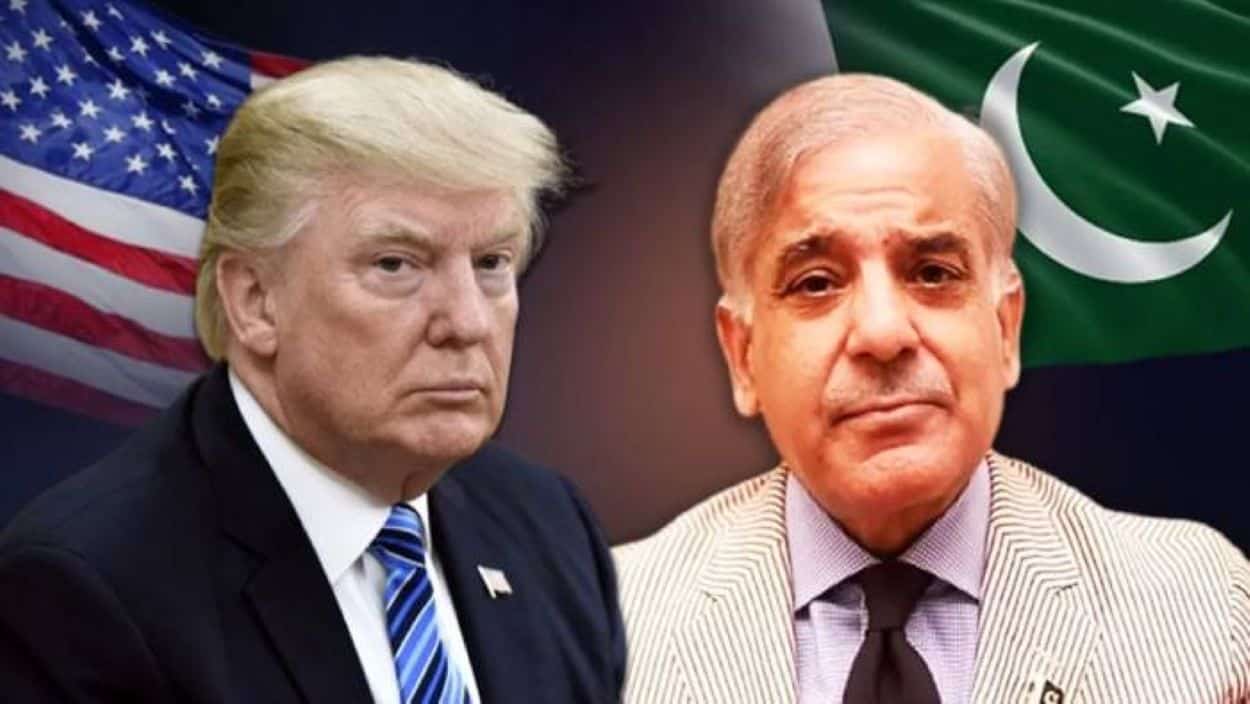

The Shehbaz Sharif Trump plea came under fresh scrutiny after Forbes reported that an early draft of the Pakistani prime minister’s X post appeared to have been written by someone outside Pakistan.
PM Shehbaz’s message urged U.S. President Donald Trump to delay his deadline on Iran and allow diplomacy more time. That scrutiny landed as regional tensions peaked around Washington’s threat of broader action unless Iran moved on the Strait of Hormuz.
Sharif’s appeal surfaced during a highly unstable moment in the conflict. Trump had warned Iran to reopen the Strait of Hormuz or face severe consequences, while backchannel diplomacy remained uncertain and public messaging shifted throughout the day. By late Monday and early Tuesday, multiple outlets reported that a provisional ceasefire had emerged after last-minute mediation efforts.
Shehbaz Sharif’s Trump Plea Drew Attention
What made the episode stand out was not only the message itself, but also the debate over how it appeared online. According to the source text, social media users flagged an early draft that seemed scripted by an outside entity, raising questions about authorship and political messaging at a sensitive diplomatic moment.
That focus shifted attention from the substance of Sharif’s request to the mechanics behind it. Even so, the message itself aligned with Pakistan’s broader push for de-escalation and more time for talks.
Trump’s Iran deadline shaped the timing
Trump’s warning to Iran drove the urgency behind the appeal. Reports on April 7 said he had set an 8 p.m. Washington deadline tied to reopening the Strait of Hormuz, while also threatening large-scale action if Tehran refused.
At the same time, reports differed over the state of negotiations. Some said Iranian officials had cut off direct diplomacy with the United States, while others said indirect talks and mediation channels remained active.
Read: Trump Warns Iran of Wider Strikes if No Deal by Tuesday
The political backdrop shifted again when Trump announced a two-week ceasefire with Iran, with major outlets reporting that Pakistan had helped broker the pause. The arrangement reportedly included reopening the Strait of Hormuz and creating space for further negotiations.
That development made Sharif’s message look more consequential, even as questions over the draft’s origin continued to circulate. In practical terms, the controversy now sits at the intersection of digital political communication, crisis diplomacy, and Pakistan’s growing visibility in the conflict.