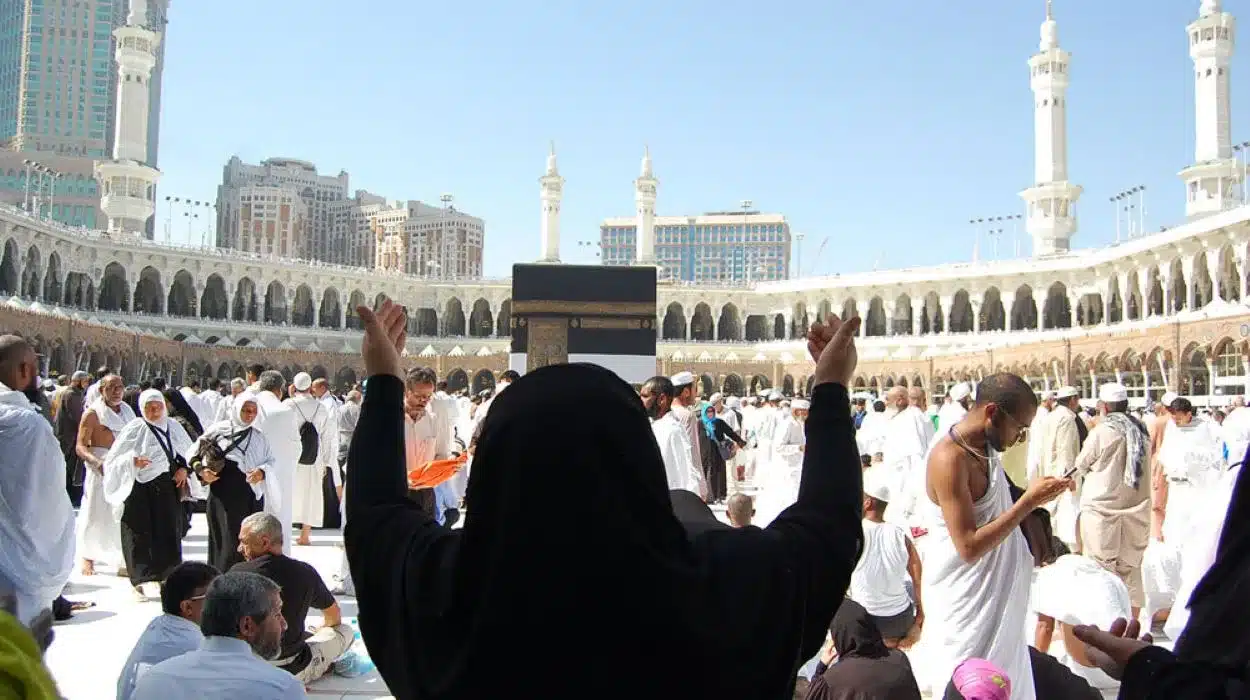

The Saudi Hajj visa biometric deadline has been extended to February 17, providing intending pilgrims additional time to complete the mandatory verification process. The Ministry of Religious Affairs confirmed the extension in an official statement.
According to the ministry, biometric verification remains a compulsory requirement for obtaining a Hajj visa. Authorities will not issue visas to pilgrims who fail to complete the process within the revised deadline.
Officials said the extension aims to facilitate pilgrims and ensure smoother processing ahead of the upcoming Hajj season.
A ministry spokesperson said pilgrims can now complete biometric verification through a mobile application from their homes. This option is designed to ease congestion and reduce the need for travel.
Pilgrims may also complete biometrics at Saudi Tasheer Centres established in six major cities. Those using Tasheer Centres must retain the receipt or confirmation email as proof of completion.
Authorities stressed that biometric verification is non-negotiable. Without verified biometrics, applications for Hajj visas will not proceed.
Saudi Arabia begins issuing Hajj visas
The Ministry of Hajj and Umrah announced that Saudi Arabia began issuing Hajj visas worldwide from February 8. The early start reflects an accelerated timeline introduced by the Kingdom.
According to Saudi Gazette, the updated schedule aligns with Saudi Arabia’s Vision 2030. The goal is to enhance service readiness and ensure pilgrim comfort months before the rituals begin.
Officials believe the early issuance will give pilgrims and organisers more time to finalise travel, accommodation, and logistics.
So far, around 750,000 pilgrims have registered globally. Packages for 30,000 pilgrims have already been booked directly from their home countries.
Saudi authorities confirmed that approximately 485 camps have been allocated for international pilgrims at the holy sites. In addition, 73 Hajj affairs offices have completed their basic contractual arrangements.
In Pakistan, registration has concluded for 119,000 government pilgrims and 60,000 private pilgrims. Federal Minister for Religious Affairs Sardar Muhammad Yousaf confirmed these figures last month.
Arrangements and refunds from the previous Hajj
The minister said Hajj preparations in Pakistan are progressing according to the Saudi timeline. Authorities have finalised arrangements for food, transportation, and other services through a competitive process.
Reflecting on the previous year, he said refunds amounting to Rs3.5 billion were returned to about 75 percent of Pakistani pilgrims. Individual refunds ranged between Rs12,000 and Rs110,000. Officials credited improved planning and transparent contracts for enabling these refunds.
Training sessions for pilgrims are underway at 147 locations across Pakistan. These sessions use audio-visual tools to prepare pilgrims for Hajj rituals and logistics.
The minister noted that well-trained pilgrims demonstrated discipline during the last Hajj. Authorities expect similar outcomes this year due to continued focus on education and preparation.
With the biometric deadline now extended, officials urged pilgrims to complete the process promptly to avoid last-minute issues