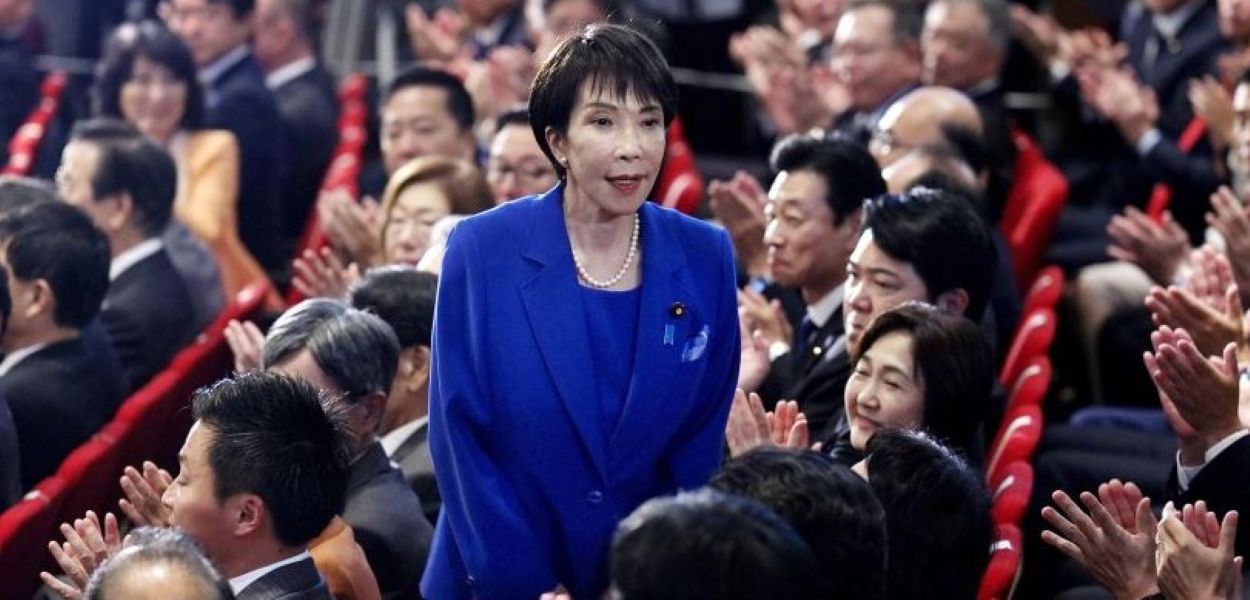

Japan’s first woman prime minister, Sanae Takaichi, has moved into the country’s official prime ministerial residence. It is a historic building in central Tokyo that carries decades of political history and lingering ghost legends.
Takaichi shifted into the stone-and-brick mansion on Monday, more than two months after taking office. The residence is located next to the prime minister’s offices and is well known for its dramatic history.
Until now, Takaichi had lived in parliamentary accommodation. She faced criticism earlier this month after it took her 35 minutes to reach her office following a major earthquake in December. The move aims to improve security and response time during emergencies.
At 64, Takaichi has repeatedly described her leadership style as relentless. She has pledged to “work, work, work” and has admitted she sleeps only two to four hours a night due to the demands of the office.
PM Takaichi officially moved into the Kantei, the prime minister’s official residence, for the first time since taking office. She was seen entering the building wearing what appeared to be a hoodie. pic.twitter.com/Ekf5XGL4iQ
— 由仁アリン Arin Yuni (@Arin_Yumi) December 29, 2025The residence, built in 1929, draws architectural inspiration from the now-demolished Imperial Hotel, designed by Frank Lloyd Wright. Its history includes two attempted coups in the 1930s. During these events, young military officers assassinated senior officials, including a serving prime minister.
The building still bears physical reminders of that era, including at least one visible bullet hole. Over the years, some have claimed the spirits of soldiers involved in those events still wander its corridors, giving the residence a reputation for being haunted.
Takaichi’s immediate predecessor, Shigeru Ishiba, lived at the residence and publicly dismissed fears of ghosts. Before him, Fumio Kishida also reported no unusual experiences and said he slept without disturbance.
Earlier leaders, including Shinzo Abe and Yoshihide Suga, chose to live elsewhere. This decision left the historic residence unoccupied for nearly a decade. With Takaichi now settled in, the building once again serves as the centre of Japan’s executive power, blending modern leadership with a past that continues to capture public imagination.