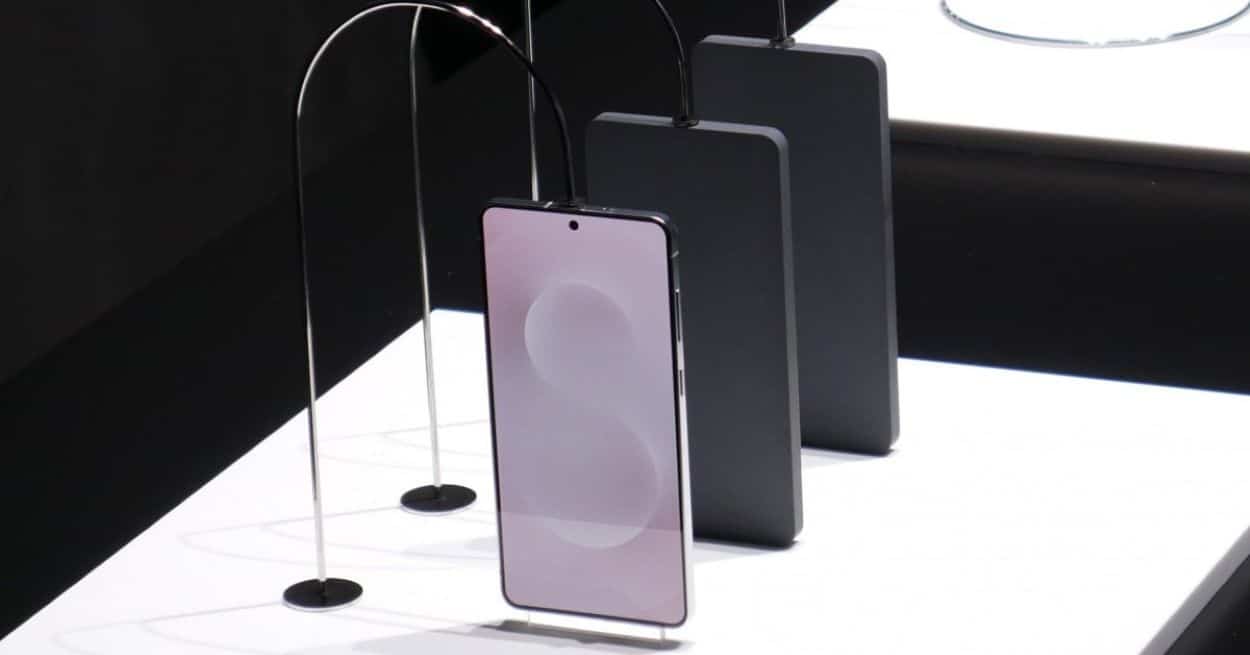

Samsung users may have a reason to celebrate. New reports suggest the company plans to hold the starting price of the Samsung Galaxy S26 steady despite rising production pressures.
According to a Korean industry report, Samsung intends to launch the Galaxy S26 at $799. This matches the price of the Galaxy S25. The Galaxy S26+ is expected to retail at $999, while the Galaxy S26 Ultra may carry a $1,299 price tag. This strategy comes even as the company faces higher component costs and ongoing tariff challenges.
Samsung appears determined to avoid passing those costs on to consumers. In particular, Apple is expected to keep pricing stable for the upcoming iPhone 17 lineup. By maintaining price parity, Samsung aims to protect its market share in the highly competitive flagship segment.
Galaxy S26 series
S26: $799
S26 Plus: $999
S26 Ultra: $1299
All models come with 12gb ram and 256gb storage
I am confident that this price freeze wouldn’t have been possible without using Exynos in some regions. pic.twitter.com/vd7pmwJAAx
— Anthony (@TheGalox_) January 2, 2026Industry analysts note that Samsung may absorb a short-term profit impact of around 10 to 15 percent. However, the company expects to offset that pressure through stronger margins in its memory business. This includes particularly DRAM and NAND chip sales.
The reported price freeze is likely limited to the United States. In South Korea, Samsung is reportedly preparing price increases due to the weakening Korean won. Similar adjustments may follow in parts of Europe and Asia, where currency movements and local costs differ.
If the plan holds, 2026 would mark the fourth consecutive year that Samsung has avoided raising prices on its flagship Galaxy S series. The same pricing strategy may also extend to the Galaxy Z Fold 8 and Galaxy Z Flip 8. Both are expected to launch later in the year.
With Apple rumoured to unveil its first foldable iPhone, Samsung appears focused on retaining loyal customers. It does so by offering predictable pricing rather than risking backlash from higher costs. However, reports suggest Samsung may increase prices for its mid-range Galaxy A models even though those devices may see only modest hardware upgrades.