
Revisiting the concept of Pakistan is vital for understanding the country’s origins, challenges, and future direction. This idea formally emerged with the Lahore Resolution on March 23, 1940, and materialised seven years later with independence in 1947.
The idea was rooted in the vision of a separate Muslim homeland, built on unity, justice, and progress.
The foundations of Pakistan trace back to Muslim political and intellectual awakening in the subcontinent. The Aligarh Movement, led by Sir Syed Ahmed Khan, promoted education and modern thinking among Muslims.
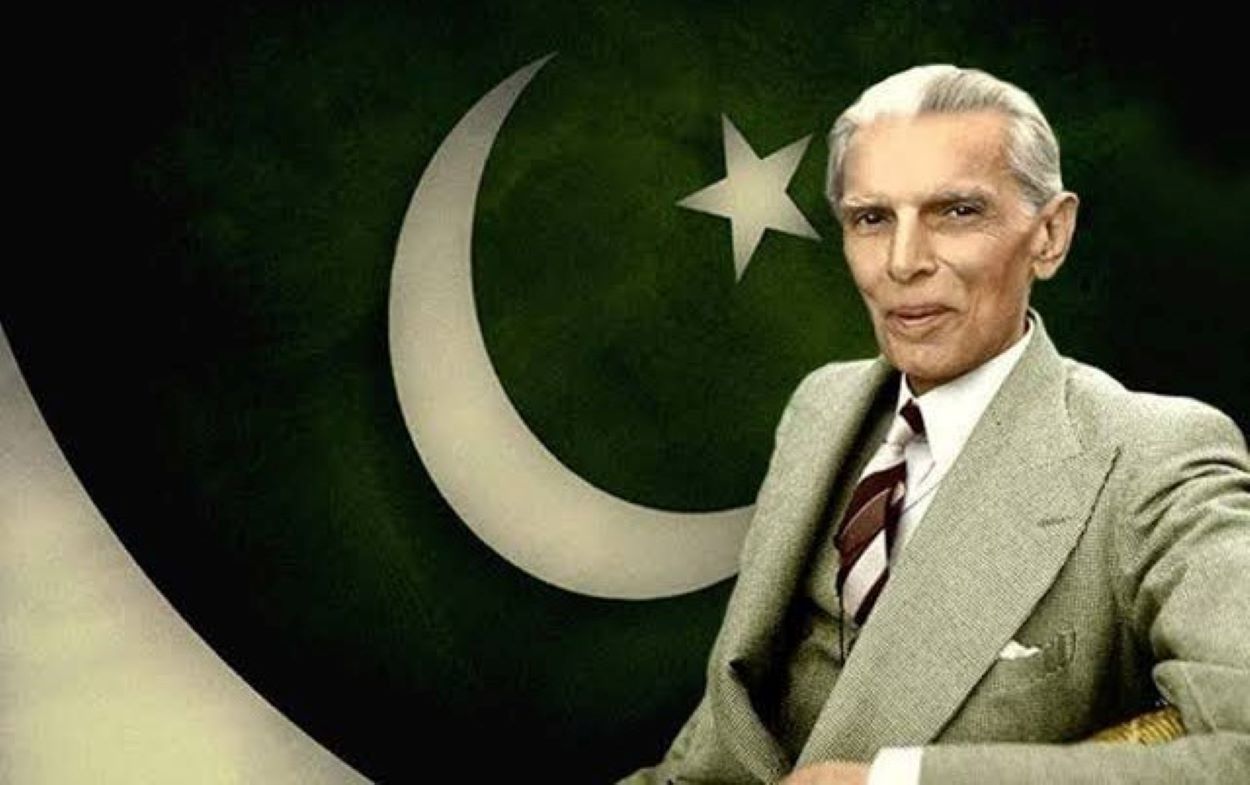
This intellectual revival later influenced the vision of Allama Iqbal and Quaid-i-Azam Muhammad Ali Jinnah. Their leadership transformed the demand for a separate homeland into a political movement. The Lahore Resolution formally articulated the idea of Pakistan, emphasising Islam as a unifying force and calling for separate Muslim-majority regions. The Two-Nation Theory posited that Muslims and Hindus constituted distinct nations. However, this vision also included provisions for equal rights for minorities in the future state.
After independence in 1947, Pakistan faced multiple challenges. These included security concerns, refugee settlement, and disputes such as Kashmir and water sharing. Initially, strong public commitment helped address these issues. However, the early deaths of key leaders weakened governance structures.
The state struggled to build stable democratic institutions. Political instability and the rise of authoritarian rule undermined the original vision. The imposition of martial law in 1958 marked a turning point. It shifted the country away from democratic governance and political pluralism.
Ethnic and linguistic tensions further weakened national unity. The language controversy in East Pakistan deepened divisions despite the later recognition of Bengali. These issues eventually led to the disintegration of Pakistan in 1971. The failure to uphold democratic principles contributed significantly to this outcome.
Why Revisiting the Idea of Pakistan Matters Today
Understanding the original idea of Pakistan is crucial for younger generations. It helps clarify the principles that inspired the struggle for independence.
Educational institutions and public discourse must focus on these foundational ideals. This approach can strengthen national identity and civic awareness.
The original vision of Pakistan emphasised democracy, the rule of law, and social justice. It rejected corruption, authoritarianism, and inequality.
Today, addressing economic challenges, political instability, and extremism requires a return to these principles. A renewed commitment to democratic governance can guide the country toward stability and progress.