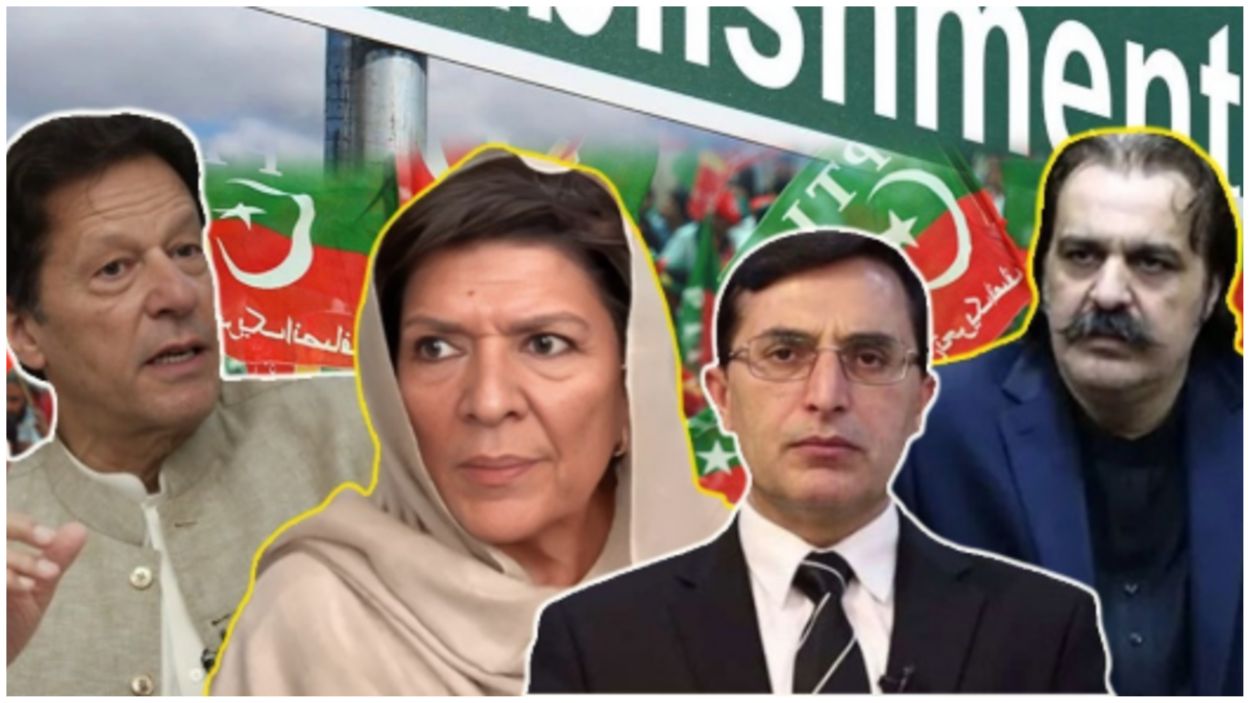

Pakistan Tehreek-e-Insaf (PTI) internal leadership crisis has intensified as disagreements grow over the role of the party’s general secretary and its future political strategy.
PTI is facing mounting internal criticism, with General Secretary Salman Akram Raja emerging as a focal point of concern among some party members.
According to party leaders holding organisational portfolios in Punjab and at the Centre, Raja has reportedly assured critics that he would request incarcerated party founder Imran Khan to relieve him of his responsibilities if necessary.
PTI Internal Leadership Crisis Sparks Strategy Debate
Several leaders say the party’s aggressive posture in recent months has pushed it to the brink of collapse. As a result, trust gaps have widened within the ranks.
A key area of disagreement revolves around whether resistance remains a viable option. Some leaders believe the threat of mass resistance should stay intact as leverage. Others argue that continuing down that path would further harm the party.
Sources claim that some members confronted Raja and demanded his resignation, questioning his ability to steer the party through a crisis. In response, he reportedly said he would place the matter before Imran Khan and even suggested that someone from the youth wing could take over, allowing him to refocus on his legal practice.
Read: Ali Amin Gandapur Reveals Imran Khan Release and PTI Divisions
However, PTI Central Spokesperson Sheikh Waqas Akram dismissed claims of widespread unrest. He described recent tensions as isolated incidents and said the leadership continues to operate under the founder’s guidelines.
A senior party office-bearer acknowledged internal sentiment against both the acting chairman and the general secretary. Still, he stressed that Raja is considered a loyalist whose sacrifices should not be overlooked.
Meanwhile, debates have also surfaced over strategic decisions, including remarks by Khyber-Pakhtunkhwa Chief Minister Sohail Afridi regarding a proposed “release force.” Party leaders reportedly feared such announcements could escalate tensions.
Another concern relates to internal power dynamics and the role of allied groups. Some members believe that recent arrangements have sidelined long-serving party figures.
Despite the tensions, senior leaders maintain that the party must function as a structured political organisation rather than be driven by social media narratives.