

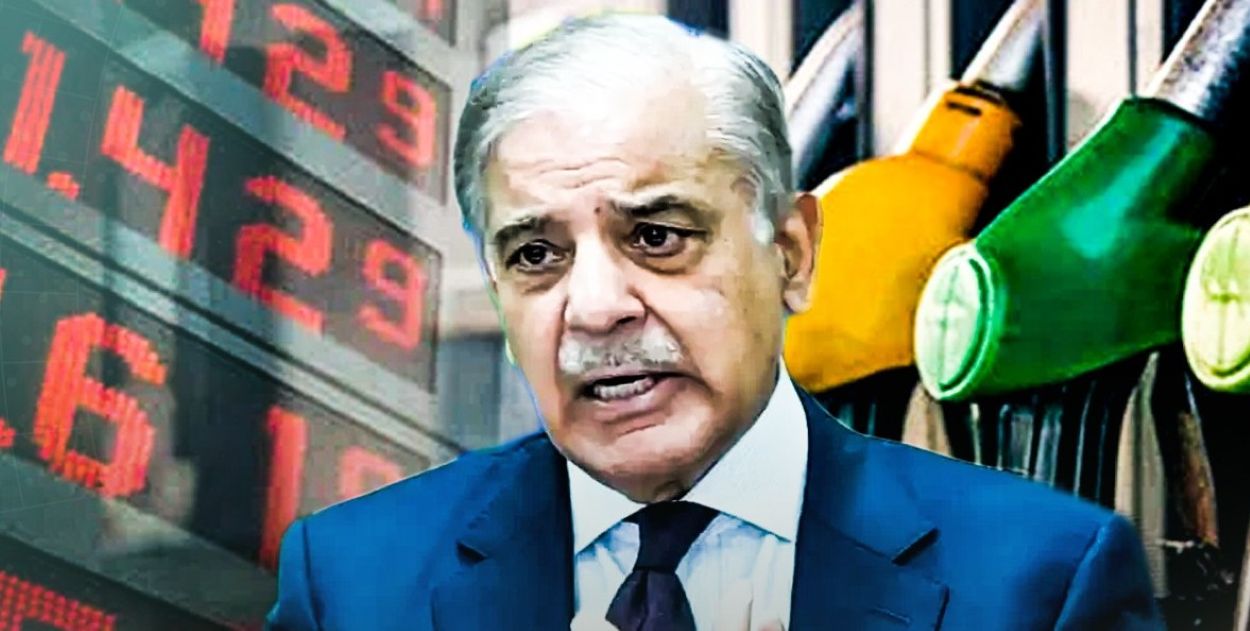

Prime Minister Shehbaz Sharif has renewed his appeal for Pakistan to implement austerity measures to conserve fuel, urging citizens to avoid unnecessary travel. He made this call during a high-level review meeting on fuel management amid rising regional tensions and global oil price pressures.
The government introduced these measures to reduce fuel consumption while maintaining economic stability. Officials confirmed that Pakistan currently holds sufficient petroleum reserves due to timely planning.
The prime minister stressed the need for responsible fuel use. He encouraged citizens to cut down on non-essential travel and adopt teleconferencing at workplaces. This approach, he noted, will help conserve fuel and reduce national expenditure during a challenging global environment.
To protect citizens from rising oil prices, the federal government allocated Rs125 billion. This funding came through budget adjustments and development cuts.
As a result, authorities have avoided passing the full burden of global oil price increases to consumers. The government continues to absorb additional costs to maintain price stability.
The prime minister also instructed provincial governments to facilitate the registration of motorcycles and rickshaws in the names of their owners.
This initiative aims to digitise vehicle data nationwide. It will also enable targeted relief programs for riders and drivers in the future. Officials are preparing a dedicated fuel support programme for these segments.
Authorities briefed the meeting on a digital dashboard that tracks fuel demand, supply, and imports. This system helps monitor the entire petroleum supply chain in real time.
Read: Pakistan Plans Targeted Fuel Subsidy for Bikers, Rickshaws
Officials confirmed that fuel import arrangements for April have already been finalised. Unlike several countries, Pakistan has avoided supply disruptions or long queues.
Earlier, the prime minister rejected a proposal to significantly increase petrol and diesel prices despite rising global rates. He revealed that petrol could have reached Rs544 per litre, while diesel might have climbed to Rs790 per litre. However, the government chose to keep prices substantially lower to protect the public.



