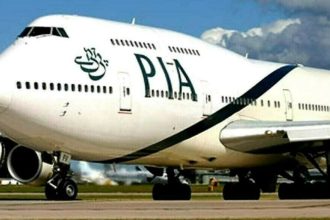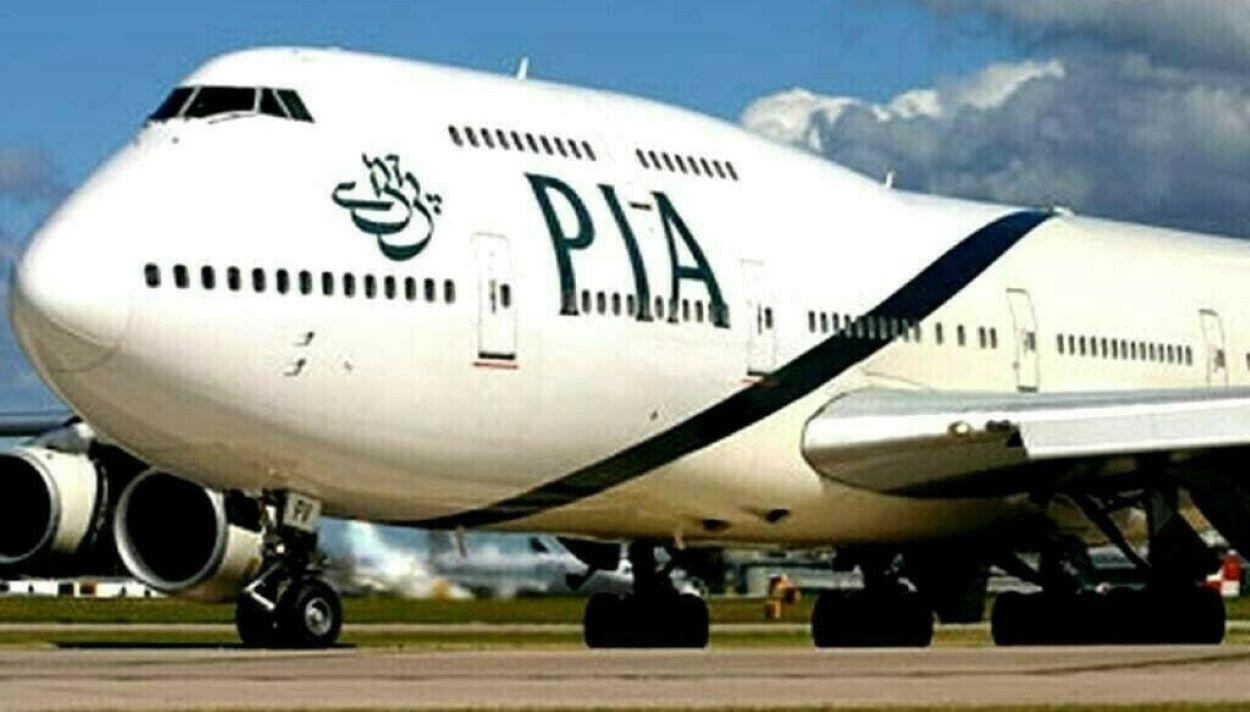

Pakistan International Airlines has completed a successful test flight of a Boeing 777, bringing a previously grounded aircraft closer to regular service and strengthening its long-haul fleet.
According to the sources, the aircraft, registered as AP-BGZ, had been out of service since May 2025 due to a lack of essential spare parts. Its return now gives the airline an additional aircraft for international operations.
The successful test flight is a key step in reintegrating the Boeing 777 into PIA’s operational fleet. With the aircraft back, the airline is expected to gain more flexibility in managing long-haul schedules.
That added capacity could help PIA meet growing passenger demand on international routes. It also supports the airline’s broader effort to improve fleet availability and reduce pressure on existing aircraft.
The Boeing 777 had been grounded due to a shortage of essential spare parts. Once those issues were resolved, the aircraft was prepared for testing before being returned to service.
Its return is significant because wide-body aircraft such as the Boeing 777 play a key role on long-distance routes. For PIA, that means stronger support for overseas operations and scheduling needs.
Fleet Expansion Comes After London Flights Restart
The development comes shortly after PIA resumed London flights on March 29, 2026, ending a six-year suspension.
The first flight, PK-785, departed from Islamabad for London with 325 passengers on board. Officials, including the Secretary of Defence and British High Commissioner Jane Marriott, attended the departure ceremony at Islamabad Airport.
A formal event was held to mark the occasion. Passengers received gifts, a cake-cutting ceremony took place, and one traveller won a 660cc car in a raffle draw.
Read: PIA Resumes London Flights After Six-Year Suspension
The restored Boeing 777 could help PIA strengthen international connectivity at a time when the airline is expanding services and responding to demand.
With one more long-haul aircraft available, PIA may be better placed to improve route planning, maintain schedules, and support newly restored operations on major international sectors.