

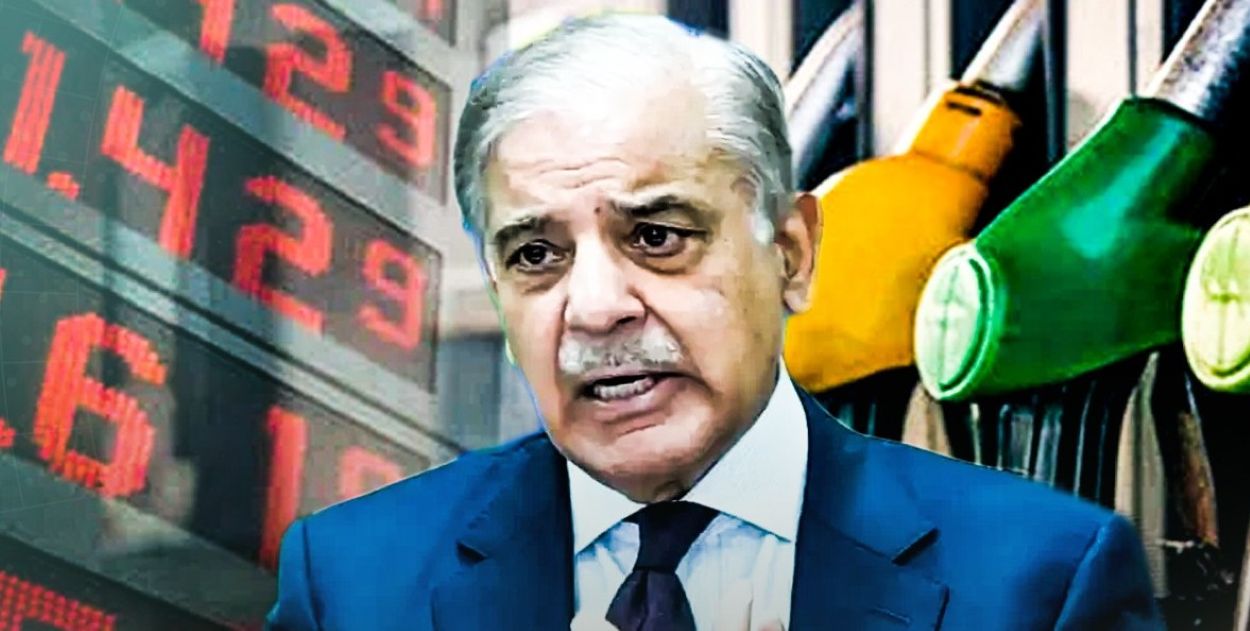

Prime Minister Shehbaz Sharif has announced a petrol price cut in Pakistan, lowering petrol by Rs11.83 per litre and diesel by Rs134.81 per litre in a move aimed at giving partial relief to consumers facing economic pressure.
The new petrol rate now stands at Rs 366.58 per litre, while diesel has been set at Rs 385.54 per litre. Officials said the revised prices will take effect from midnight across the country.
The government said the reduction follows the prime minister’s directive to align local fuel prices with global market trends. Officials also linked the decision to broader efforts to reduce inflationary pressure on the public.
According to the announcement, the cut applies to both petrol and diesel rates. This marks a fresh adjustment after a period of sharp volatility in fuel prices.
New Petrol and Diesel Rates Announced
After the latest revision, petrol will cost Rs 366.58 per litre. Diesel, meanwhile, will be available at Rs 385.54 per litre.
The announcement comes shortly after a dramatic increase in fuel prices triggered by the Iran war and the resulting global petroleum shortage. At that time, the government raised petrol by Rs138 per litre to Rs458.40, while diesel surged by Rs184 per litre to Rs520.35.
A day later, Prime Minister Shehbaz Sharif announced short-term relief, reducing the petrol price to Rs 378 per litre by slashing Rs 80.
Why Fuel Prices Were Revised Again
The government said the latest reduction reflects changing international market conditions. It also signals an effort to provide households and transport-dependent sectors affected by rising costs with some breathing room.
The earlier increase had been announced by Minister of State for Finance Ali Pervaiz Malik alongside Federal Finance Minister Muhammad Aurangzeb during a press conference.
Alongside the fuel rate revision, the prime minister announced austerity measures for the federal cabinet. He said salaries and privileges of cabinet members will remain suspended for six months.
The move appears intended to show fiscal discipline while the government manages financial pressure and public concern over rising living costs.



