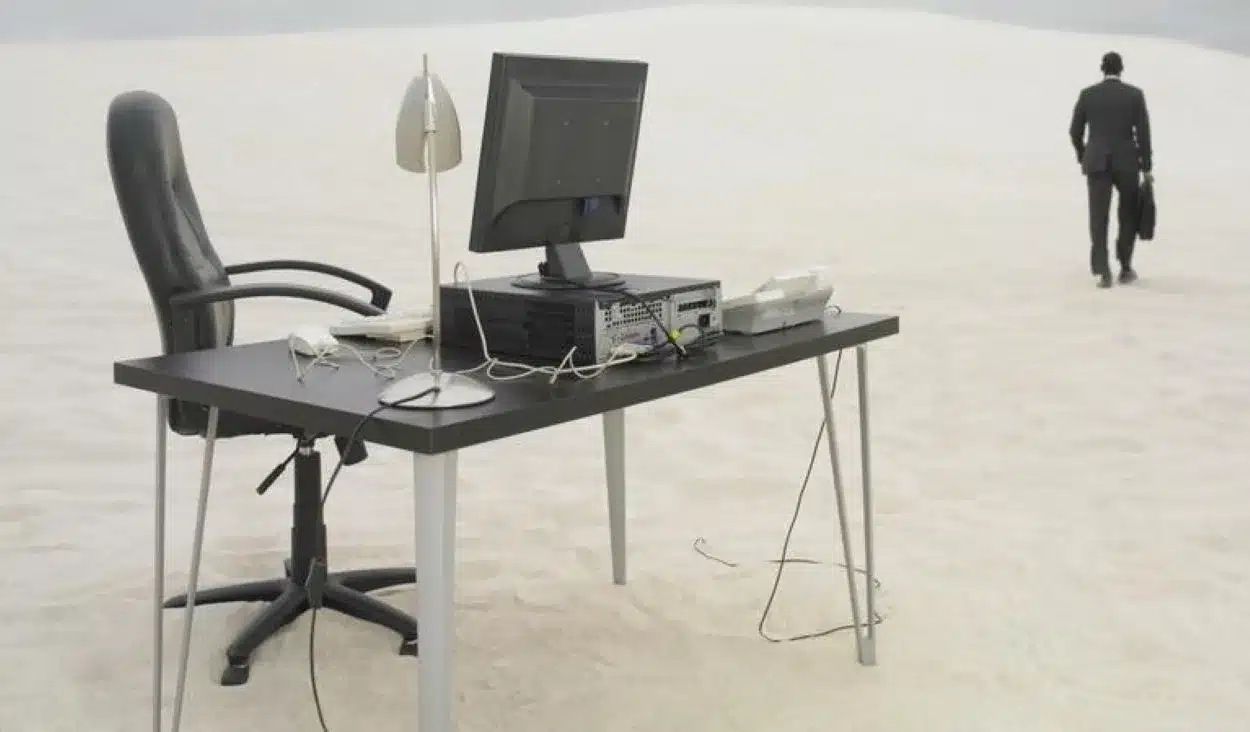

The federal government is weighing new conservation measures amid regional tensions that threaten energy supply lines. A Pakistan work-from-home fuel saving plan is under consideration, sources said, amid potential oil supply disruptions linked to the Israel-US strikes on Iran and the resulting strain on shipping routes.
Officials believe the conflict has disrupted movement through the Strait of Hormuz, a key corridor for global crude oil and LNG flows. Authorities say Pakistan’s priority is to protect continuity in the energy supply chain while reducing domestic fuel consumption.
Pakistan Work-From-Home Fuel Saving Plan: What’s Being Considered
According to sources, the government is preparing a national action plan focused on energy conservation. One proposal is to introduce online and smart working arrangements similar to measures used during the COVID-19 pandemic.
Key options under review include:
- Encouraging the corporate sector to adopt remote working for two days a week
- Advising telecom and IT companies to allow online work two days a week
- Limiting office attendance to essential staff in March 2026
- Enforcing minimum staffing requirements across workplaces
- Promoting ride-sharing among office employees to reduce commuting fuel use
Officials are also reviewing shifting educational institutions to online sessions in March as another tool to cut travel-related fuel consumption.
Earlier, Finance Minister Muhammad Aurangzeb told the Senate Standing Committee on Finance that Pakistan has petrol and diesel stocks for about 28 days, around 10 days of crude oil reserves, and approximately 15 days of LPG supplies.
Read: Pakistan Fuel Reserves for 28 Days, Finance Minister Tells Senate Committee
He also said the government is considering petroleum conservation measures similar to those adopted during the COVID-19 period.
Alongside demand reduction, authorities are discussing whether to determine fuel prices on a weekly basis. Sources said the goal of weekly adjustments would be to discourage fuel dealers from hoarding, especially when price increases are expected.
Officials fear some retailers may stockpile supplies in anticipation of sharp price increases, so a more frequent pricing model is being reviewed to reduce incentives to hoard.