
Pakistan’s ceasefire Middle East diplomacy efforts are gaining momentum as the country calls for immediate de-escalation in the region.
During a press briefing, the Foreign Office stressed the urgency of a ceasefire while highlighting ongoing diplomatic initiatives to restore stability.
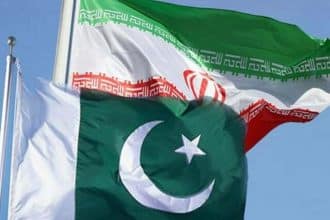
Foreign Office spokesperson Tahir Hussain Andrabi confirmed that Pakistan is maintaining continuous high-level contacts with global leaders. Prime Minister Shehbaz Sharif has held discussions with key figures, including the Saudi Crown Prince and the president of Iran, to address the evolving situation.
These engagements reflect Pakistan’s proactive approach to promoting dialogue and reducing tensions.
Pakistan has broadened its diplomatic outreach beyond immediate regional actors. Officials have engaged with countries such as Norway, Saudi Arabia, and Azerbaijan, while also maintaining communication with leaders in Lebanon, Egypt, and Bangladesh.
This wide-ranging outreach aims to build consensus for peace and prevent further escalation. Deputy Prime Minister Ishaq Dar is also actively playing a role in strengthening diplomatic coordination.
Read: Shehbaz, Anwar Discuss Middle East Peace Efforts
The Foreign Office emphasised that Pakistan remains committed to advocating peace and stability through sustained engagement at various levels.
Pakistan also condemned attacks targeting civilians, including places of worship, women, and children. Officials expressed concern over recent developments in Srinagar, particularly the closure of the historic Jamia Masjid.
The Foreign Office urged India to uphold fundamental human rights and protect civil liberties in the region.
Pakistan’s diplomatic strategy focuses on dialogue and cooperation to prevent further conflict. As tensions persist, Islamabad continues to position itself as a key advocate for peace through coordinated international engagement.