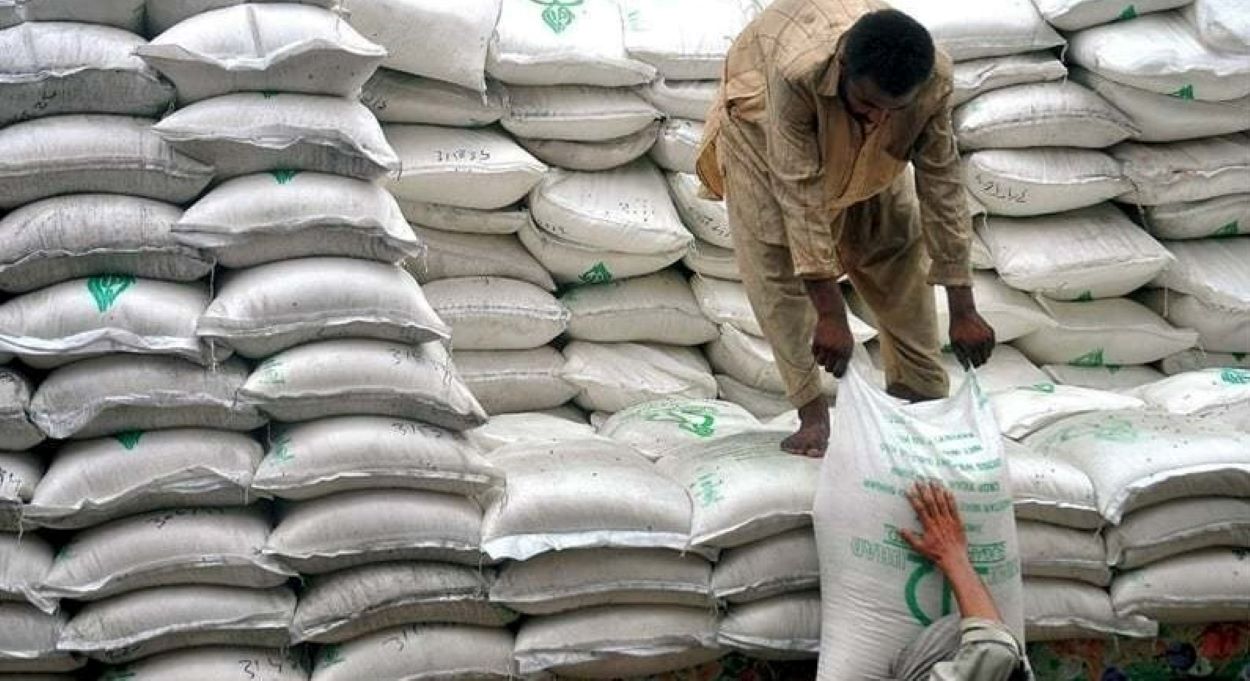

Pakistan’s plan to fully deregulate the sugar sector has entered a state of uncertainty, as provinces have yet to take legislative action despite firm deadlines agreed with the International Monetary Fund.
The federal government committed to deregulating the sugar industry as part of structural reforms tied to its IMF programme. However, progress has stalled because provincial governments have not enacted the required laws, despite repeated requests from the Ministry of Industries and Production.
Sources say the IMF has set March 2026 as the deadline for completing deregulation, while the Government of Pakistan is required to fully exit the sugar sector by June this year. Failure to meet these milestones could complicate ongoing negotiations with the lender.
Read: Pakistan to Liberalise Sugar Industry by June 2026 Under IMF Plan
Under the deregulation framework, the federal government will no longer intervene in sugar pricing, procurement, or supply. Instead, all trade and handling of sugar will be entirely handled by the private sector, with market forces determining prices and availability.
The proposed reforms also aim to liberalise exports. In periods of surplus production, sugar will be exported to stabilise domestic markets and improve returns for sugarcane farmers. Restrictions on sugar exports will be lifted once deregulation takes effect.
Farmers are expected to gain greater flexibility under the new system. They will no longer be bound to cultivate sugarcane or sell exclusively to designated mills, and will be free to supply their crop to any sugar mill across the country. The government also plans to remove restrictions on the establishment of new sugar mills.
Despite these intended benefits, the lack of provincial legislation has left the reform agenda in limbo. With IMF deadlines approaching, policymakers face growing pressure to align federal commitments with provincial action to advance the deregulation process.