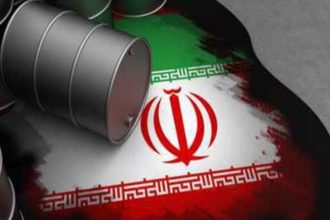

Pakistan mediates US-Israel-Iran war efforts as the conflict enters its fourth week, with Islamabad stepping forward to reduce tensions and prevent wider instability in the region.
According to reports, Pakistan is positioning itself as a neutral venue for potential peace talks between Washington and Tehran. The move reflects growing international concern over the expanding conflict and its regional impact.
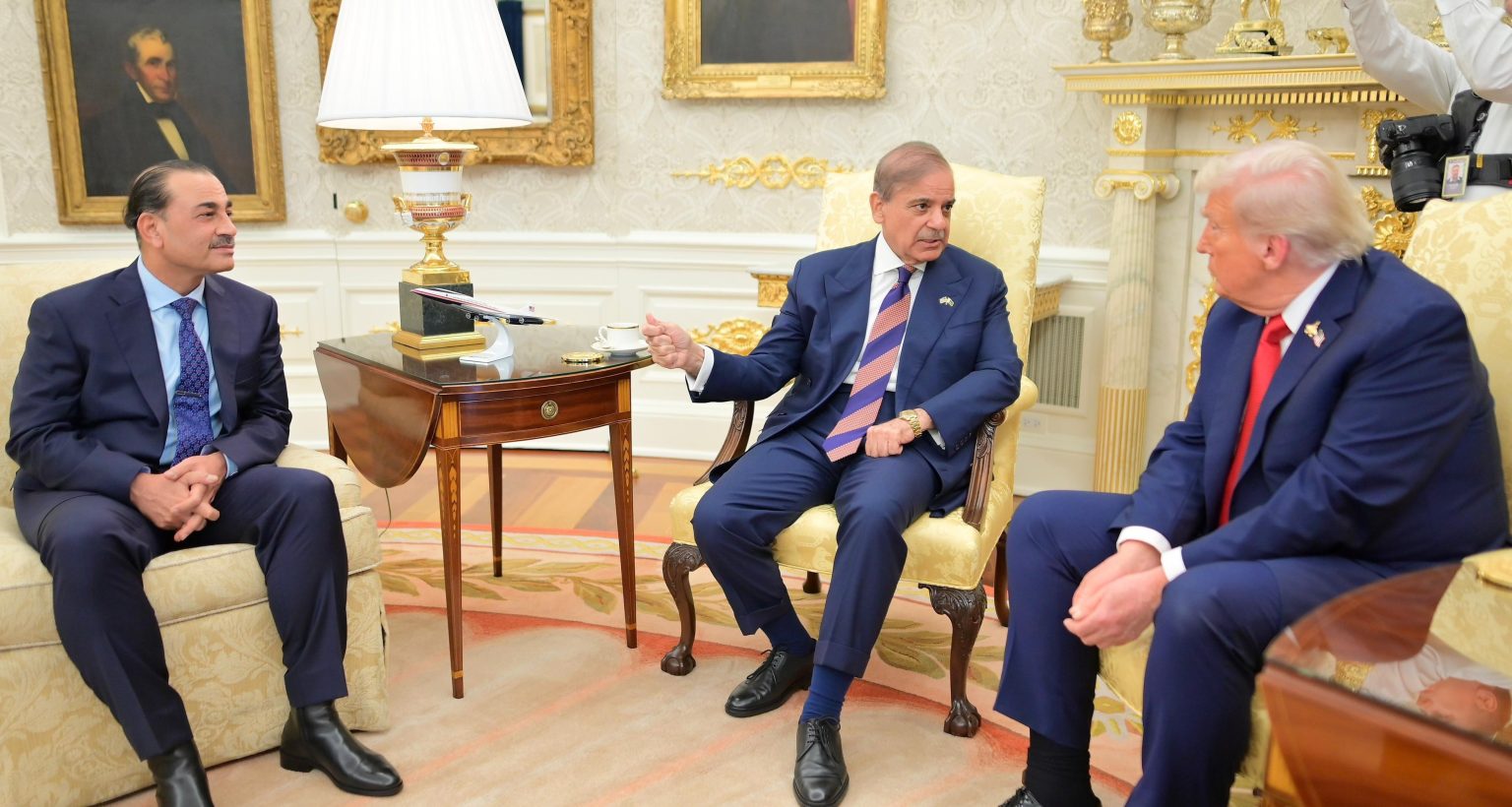
Pakistan’s leadership has accelerated diplomatic outreach. Field Marshal Asim Munir reportedly spoke with US President Donald Trump to discuss de-escalation strategies. At the same time, Prime Minister Shehbaz Sharif remains in direct contact with Iranian President Masoud Pezeshkian. These parallel engagements signal Islamabad’s active role in bridging communication gaps.
Sources indicate that Pakistani officials are facilitating back-channel messages between Tehran and key US figures, including Jared Kushner and Steve Witkoff. This quiet diplomacy aims to create conditions for formal negotiations.
Read: Ishaq Dar Urges Dialogue to De-Escalate Mideast Crisis
Officials familiar with the process suggest Pakistan is offering Islamabad as a meeting point for both sides. The goal is to provide a neutral and trusted environment for dialogue.
Although Iran has publicly denied direct negotiations with the United States, it has acknowledged receiving messages through “friendly states.” Analysts view this as indirect confirmation of Pakistan’s role in mediation.
Pakistan’s involvement reflects immediate national concerns. The country shares a nearly 1,000-kilometre border with Iran, making it vulnerable to spillover effects from the conflict.
The closure of the Strait of Hormuz has already disrupted energy supplies. Meanwhile, authorities remain alert to the risk of a refugee influx from Iran’s Sistan-Baluchestan province.
These developments have increased pressure on Pakistan to support a diplomatic resolution. Pakistan is also coordinating with regional partners. Foreign Minister Ishaq Dar has maintained close contact with Turkish officials engaged in parallel mediation efforts.
This coordinated approach highlights a broader regional push to prevent further escalation. It also reinforces Pakistan’s emerging role as a key diplomatic intermediary in the Middle East crisis.