
Pakistan’s petroleum prices may continue to rise in the coming days, Finance Minister Muhammad Aurangzeb said on Thursday after the government sharply raised petrol and diesel prices, citing rising global oil costs linked to tensions in the Middle East.
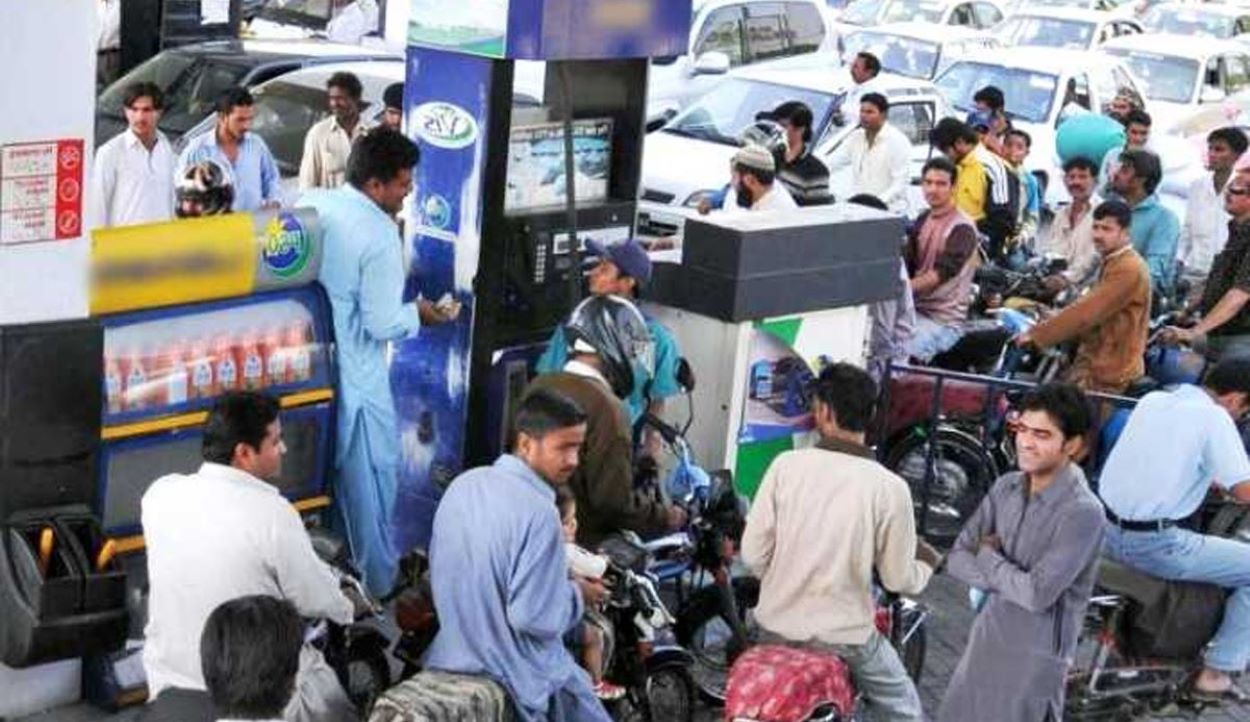
Consumers are already feeling the impact of the latest hike. Under the new rates, petrol now costs Rs321.17 per litre, while diesel has climbed from Rs275.70 to Rs335.86 per litre.
Aurangzeb made the remarks while briefing the Senate Standing Committee on Finance and Revenue, chaired by Senator Saleem Mandviwala. He said the government is enforcing austerity measures at the direction of Prime Minister Shehbaz Sharif.
However, he warned that petroleum prices could rise further because of changing regional conditions and pressure in global markets. He added that the situation is shifting rapidly, which requires quick decisions on petroleum purchases.
Government Monitoring Fuel Prices Daily
The finance minister said the prime minister has formed a ministerial committee to monitor petroleum product prices and supply daily. The move aims to help the government respond faster as market conditions continue to change.
According to Aurangzeb, regional developments are affecting both supply planning and pricing decisions.
LNG Imports Hit By Regional Disruptions
Aurangzeb also told the committee that Qatar has declared force majeure because of the ongoing war situation. As a result, LNG imports have been disrupted.
He said an LNG cargo that previously cost around $25 million is now being bought for nearly $100 million. That sharp jump shows the pressure Pakistan is facing in the energy market.
Meanwhile, opposition leaders strongly criticised the large increase in petroleum prices. They warned that the move could push inflation and poverty even higher.
پیٹرول کی قیمتوں میں اضافہ عوام کی جیبوں پر ڈاکہ ہے، وزیر اعظم اپنی کابینہ کی مراعات اور بڑی گاڑیوں میں کمی کا اعلان کریں۔@NaeemRehmanEngr
#PetrolDieselPrice pic.twitter.com/DRADs7WMvO
— Jamaat e Islami Pakistan (@JIPOfficial) March 8, 2026Jamaat-e-Islami chief Hafiz Naeemur Rehman said on X that the increase was unacceptable. He argued that, when global oil prices had dropped to a five-year low in recent months, the government raised the petroleum levy rather than passing on relief to the public.
Now that prices are rising again, he said, the burden is once more being shifted to citizens.