

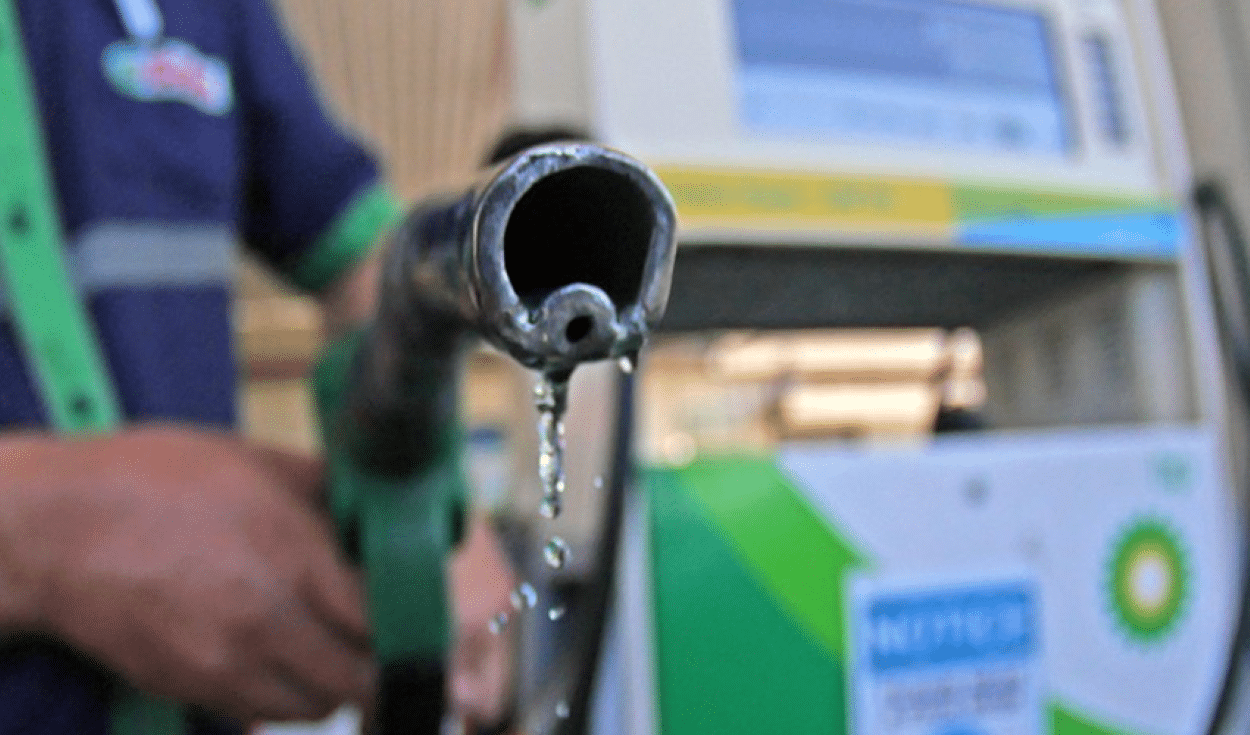

Prime Minister Muhammad Shehbaz Sharif announced that Pakistan’s petrol price remained unchanged despite a sharp rise in international oil prices, remaining stable at Rs321.17 per litre.
He said the move reflects his commitment to the “common man” and aims to ensure that citizens do not bear the full brunt of global economic volatility.
The Prime Minister said the government wants to provide as much relief as possible during what he described as challenging conditions.
He also pointed to regional tensions that have placed the global economy under pressure, warning that the situation risks Pakistan’s own economic stability.
“Through timely policymaking, government austerity measures, and strict financial discipline, we are striving to manage this situation to the best of our human ability,” he said
Read: Pakistan Petroleum Prices May Rise Further, Finance Minister Warns
The decision comes just a week after the federal government raised the prices of petrol and high-speed diesel by Rs55 per litre on March 6, 2026, a move widely described as a “petrol bomb” in public discussion.
The report linked the hike to a sudden jump in global oil prices after the escalation of the US-Israel conflict with Iran, with crude oil rising from roughly $78 to over $106 per barrel almost overnight. It also cited the closure of the Strait of Hormuz, a key energy corridor, as a factor that forced the government to shift from a fortnightly pricing schedule to weekly reviews.
The earlier hike triggered immediate anger, with citizens rushing to fill their tanks and long queues reported at fuel stations.
On social media, #PetrolBomb trended as users criticised the rising cost of living and questioned calls for the public to “tighten their belts” while alleging the ruling elite continued to receive state-funded fuel allowances.
Labour federations and economic experts also warned that the Rs55 increase could ripple through transport and food costs, placing added pressure on middle- and lower-income households.



