
Pakistan has announced a new market-closure timing policy as part of its latest fuel-saving measures, ordering markets and shopping malls to close at 8 pm in all provinces and regions except Sindh. The decision was approved in a meeting chaired by Prime Minister Shehbaz Sharif as the country responds to rising global fuel and energy costs linked to the Middle East conflict.
The new restrictions take effect from April 7. Officials say the goal is to cut energy use and ease pressure from higher oil prices and broader supply disruptions.
Pakistan market closure timing and who it affects
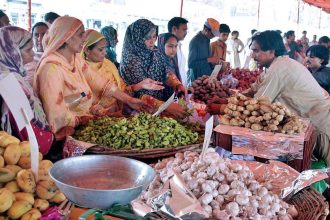
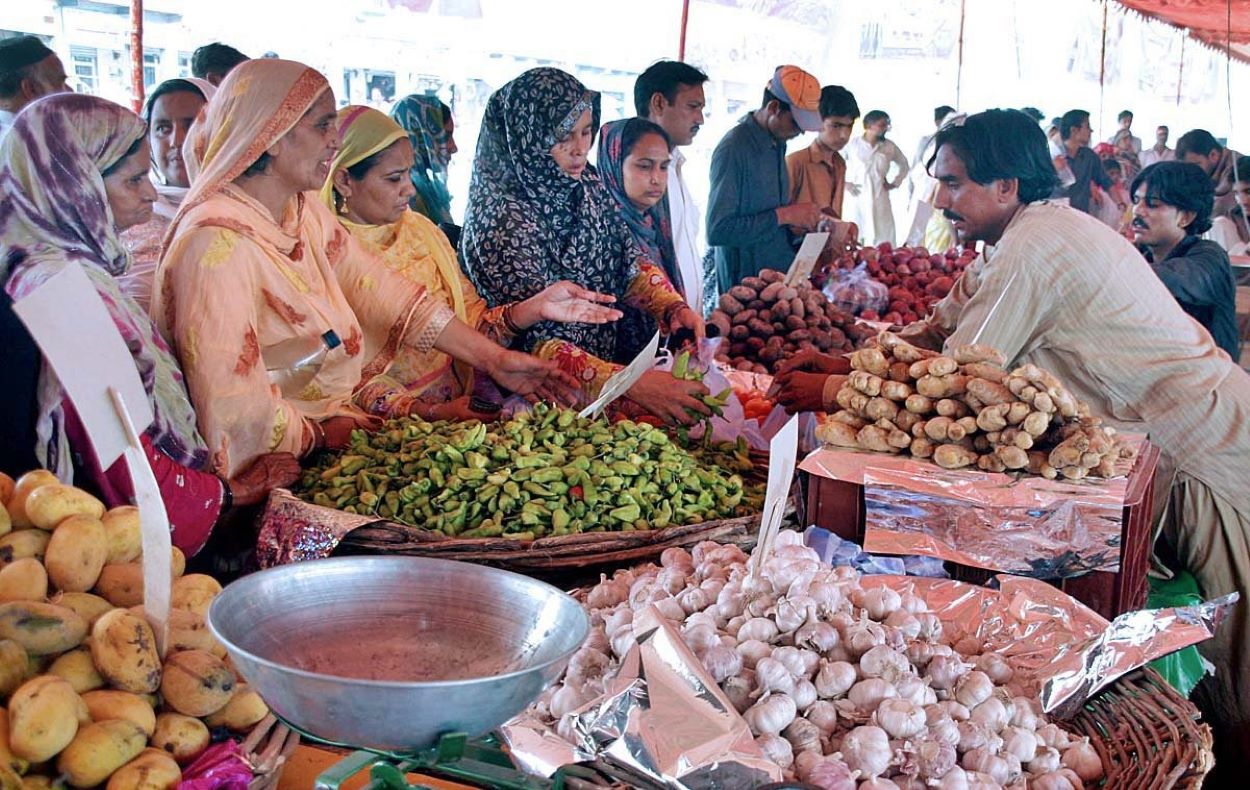
Under the new order, markets, shopping malls, departmental stores, and shops selling daily-use goods must shut at 8pm in Punjab, Khyber Pakhtunkhwa, Balochistan, Islamabad, Gilgit Baltistan, and Azad Jammu and Kashmir. Khyber Pakhtunkhwa, markets and malls in divisional headquarters may stay open until 9pm.
Sindh is the only province excluded from the federal closure timing announced. That makes the measure broad in scope, but not fully nationwide, with the same level of coverage across all provinces. Bakeries, restaurants, tandoors, food outlets, and marriage halls will close at 10 pm. Private homes and properties will also face restrictions on wedding celebrations beyond that time.
At the same time, medical stores and pharmacies will remain exempt. The government has also announced that intercity public transport in Gilgit and Muzaffarabad will be free for one month. Officials linked the decision to a sharp rise in global oil and energy prices. The government is trying to manage the impact of the ongoing Middle East conflict, which has disrupted supply chains and raised fuel prices.
It also notes that Pakistan previously introduced austerity and fuel conservation measures, including a four-day workweek, reduced fuel allowances, and a 20 per cent cut in government departmental spending.
Read: Pakistan Plans Digital Fuel System, Monthly Petrol Quota
The new closure order follows major changes in fuel prices in Pakistan. Petrol was raised to Rs458.41 per litre on April 2 before Prime Minister Shehbaz Sharif reduced it to Rs378 per litre for one month by cutting the petroleum levy. Diesel also saw a steep increase.
That broader price shock helps explain why the government is now focusing on stricter conservation measures. For many businesses and households, the impact is likely to be felt beyond fuel bills alone.