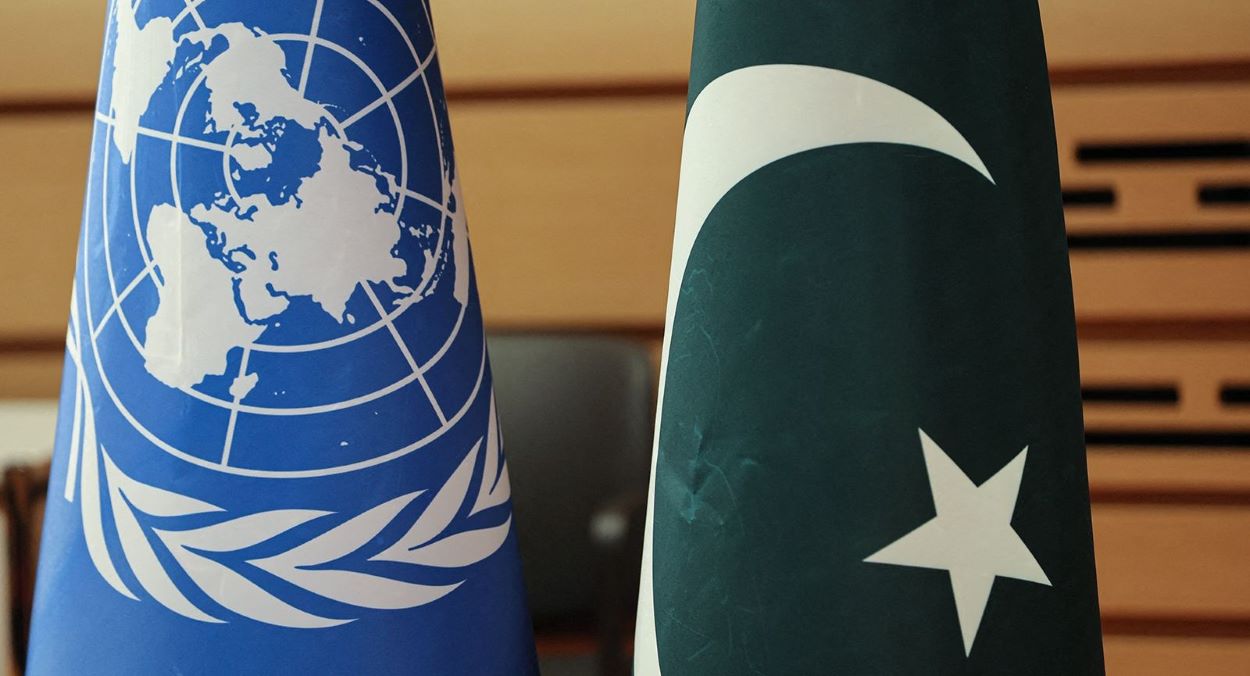

Pakistan opposes the expansion of UNSC permanent seats, reiterating its stance during a resumed session of the United Nations Intergovernmental Negotiations on Security Council reform.
Speaking at the UN headquarters, Ambassador Asim Iftikhar Ahmad said adding new permanent members would deepen dysfunction within the 15-member body. He argued that such expansion contradicts the principle of sovereign equality among member states.
Pakistan is part of the Uniting for Consensus (UfC) group. The coalition advocates expanding only non-permanent, elected seats to enhance democratic representation. According to the envoy, reform must ensure “reform for all privilege for none.”
Pakistan Opposes UNSC Permanent Seats
Formal negotiations to reform the Security Council began in 2009. The talks focus on five key areas: membership categories, veto power, regional representation, council size, and working methods.
Progress remains limited. The G-4 countries, India, Brazil, Germany and Japan, continue to push for permanent membership. Meanwhile, the UfC group, led by Italy and Pakistan, opposes any new permanent seats, warning they would create new centres of privilege.
Read: Xi Jinping Calls for United Nations’ Central Role’
As a compromise, the UfC has proposed a new category of members with longer terms and the possibility of re-election, but without permanent status.
Currently, the Security Council includes five permanent members: Britain, China, France, Russia and the United States, alongside 10 non-permanent members elected for two-year terms.
Pakistan’s envoy emphasised that campaigns for individual permanent membership cannot serve as a legitimate foundation for reform. He added that many UN member states believe permanent seats and veto powers contribute to paralysis and inaction.
The Intergovernmental Negotiations framework seeks to make the Council more representative, effective and accountable. However, divisions among member states continue to slow consensus