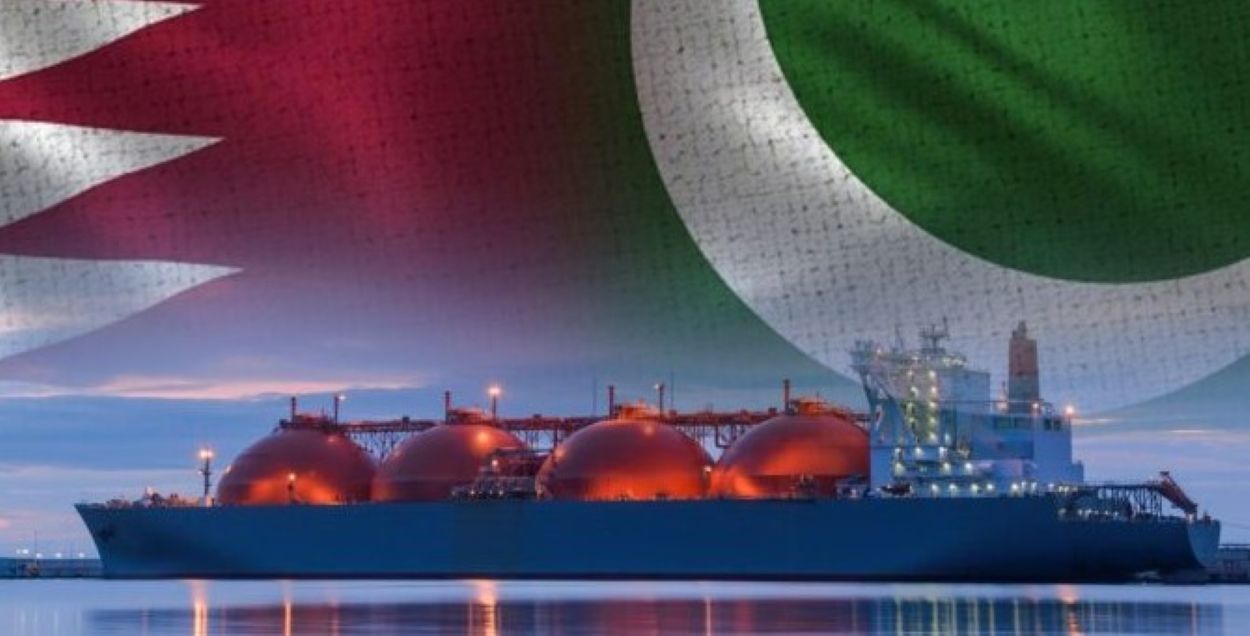

A Pakistan LNG shortage after April 14 is now a growing concern, following a Senate panel’s warning that liquefied natural gas may no longer be available in the country beyond that date. According to The News International, the warning came amid supply disruptions tied to tensions in the Middle East and the suspension of LNG imports from Qatar since March 2.
The briefing to the Senate Standing Committee on Petroleum stated that Pakistan has two LNG supply agreements with Qatar, but shipments have been severely affected by the ongoing conflict. Out of eight cargoes scheduled for March, only two arrived, while six cargoes expected in April are now unlikely to reach the country.
That matters because Qatar supplies most of Pakistan’s imported LNG, which is heavily used by power plants during peak demand. Pakistan has also dealt with shifting LNG cargo arrangements in recent months, including diversions and contract changes tied to demand and supply conditions.
Pakistan LNG Shortage Raises Power Sector Concerns
Officials told the committee that gas demand from the power sector would not be fully met in April, as supply to the power sector has already dropped from 300 mmcfd to 130 mmcfd.
At the same time, Sui Southern Gas Company has reduced gas supply to one fertiliser plant by 50%. However, officials told the committee that domestic consumers would continue to receive a gas supply.
Read: IEA Emergency Oil Reserves Release to Start Soon as Iran War Drives Crude Price Spike
The disruption comes as shipping through the regional route used for energy trade has nearly stalled since the start of the war. This has put broader pressure on global oil and LNG flows, pushing up international prices.
Qatar disruption and Pakistan’s fallback options
Officials told the committee that alternative sources would be used to bridge the shortfall. One option under consideration is purchasing LNG from Azerbaijan; spot purchases could cost about $24 per unit, compared with $9 under the Qatari contract.
That price gap could make electricity generation more expensive. It also highlights how vulnerable Pakistan remains to supply shocks when long-term contracted cargoes are disrupted.
Pakistan has previously adjusted LNG cargo schedules with suppliers, including Qatar and Eni, reflecting both domestic demand shifts and import pressures.
Fuel reserves, imports and price pressure
Secretary Petroleum Mirza Nasir-ud-Din Ahmad told the panel that around 70% of Pakistan’s petroleum imports come from the Middle East. He said shipping disruptions had affected deliveries, while global fuel prices had surged sharply.
Pakistan currently has crude oil reserves for 11 days, diesel stocks for 21 days, petrol reserves for 27 days, LPG stocks for nine days, and JP-1 aviation fuel reserves for 14 days. Officials also said petroleum imports were continuing and that a ministerial committee reviews the supply situation every day.
The government recently raised fuel prices to discourage hoarding and maintain an uninterrupted supply. In parallel, officials said relief measures were being considered for motorcycle and rickshaw users, while imports of oil below Euro-5 quality standards were temporarily allowed to ease supply pressure.
Pakistan has sought to reduce exposure to LNG shocks by relying more on domestic energy sources, such as solar, wind, nuclear, coal, and hydropower. It also says Pakistan cancelled 21 LNG cargoes due in 2026-27 under a long-term deal with Italy’s Eni as local demand fell.