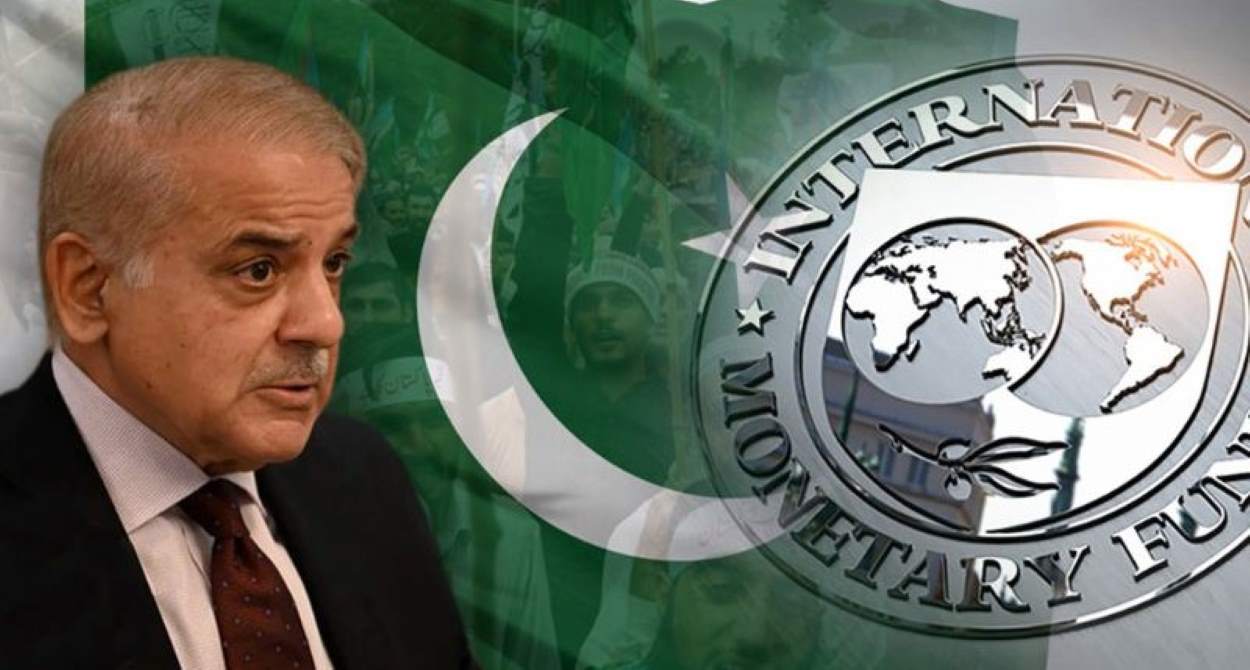

Pakistan has pledged to implement Pakistan’s IMF anti-corruption reforms by January 2027 under the country’s $7 billion Extended Fund Facility program. The written commitments include public disclosure of senior civil servants’ asset declarations and wider reforms aimed at increasing transparency and strengthening accountability institutions.
The reform package forms part of Pakistan’s broader commitments under the IMF programme. Among the biggest changes, the government plans to make asset declarations from senior federal civil servants public by the end of December 2026.
To implement the disclosure plan, the Establishment Division has revised the Civil Servant Conduct Rules. The updated framework requires centralised digital filing, risk-based verification, and public disclosure, while still restricting the disclosure of some confidential personal information. Officials also plan to revise the declaration form by the end of May 2026.
The Federal Board of Revenue will build a digital platform to collect and manage these declarations. Officials expect the system to be ready by the end of June 2026.
NAB reforms form a key part of the plan
Pakistan has also promised major changes to the National Accountability Bureau. Under the reform plan, the government will review how it appoints the NAB chairman and introduce amendments to the NAB Ordinance that set qualification standards, create a merit-based selection process, and establish a multi-sectoral commission for transparent recruitment.
The government has also committed to publishing NAB’s rules, standard operating procedures, and annual statistics on investigations, prosecutions, and convictions on its website. At the same time, the State Bank of Pakistan, the FBR, and the Financial Monitoring Unit will continue to support banks that need access to asset declarations of senior public officials.
Read: IMF Warns War Will Raise Inflation, Slow Global Growth
Another part of the reform programme focuses on identifying corruption risks across government departments. NAB will lead the preparation of an action plan for the 10 departments considered most vulnerable to corruption, with a deadline set for the end of October 2026.
Before that, the Anti-Corruption and AML/CFT Committee is due to publish, by the end of June 2026, a methodology for ranking corruption risks. The assessment will consider the amount of money at stake, the type of corruption involved, structural weaknesses, and the number of past or ongoing cases.
The government says three committees now monitor the Economic Governance Reform plan. Under the commitment, the Ministry of Finance will publish progress reports every six months, while officials have scheduled a policy dialogue for April 2026 and a second review for July 2026.
Pakistan has also said it will strengthen provincial anti-corruption bodies. By the end of December 2026, those institutions are expected to receive formal authority to investigate money laundering linked to corruption cases within their jurisdictions.