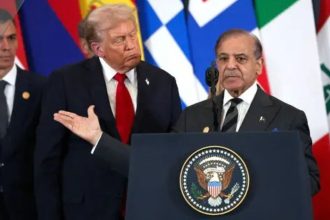

Pakistan’s army chief, Field Marshal Asim Munir, is facing a political and diplomatic challenge as Washington presses Islamabad to contribute troops to a proposed US-backed Gaza “stabilisation force,” according to reporting by Reuters, citing independent outlet DropSite News.
The issue comes ahead of Munir’s expected visit to Washington, where he is scheduled to meet with US President Donald Trump. The visit reflects a warming of US–Pakistan relations after years of strain and mutual mistrust. Analysts say the Gaza proposal has placed Islamabad in a difficult position, with both acceptance and refusal carrying serious consequences.
According to Reuters, US officials view Pakistan’s participation as important for lending international legitimacy to Trump’s Gaza plan. However, refusing the request could risk angering the US president and potentially undermine American investment, diplomatic engagement, and security assistance at a time when Pakistan is seeking economic stability.
🇵🇰🇵🇸 BREAKING: Pakistan’s army chief Field Marshal Asim Munir is being pressed by Donald Trump to contribute troops to the U.S.-backed Gaza “stabilisation force” under Trump’s Gazas plan, Reuters reports.
Munir is expected to visit Washington soon for talks with Trump, amid… https://t.co/ibN397miPi pic.twitter.com/UlDA6ilyQj
— Drop Site (@DropSiteNews) December 17, 2025At the same time, deploying Pakistani troops to Gaza could provoke intense domestic backlash. Pakistan has a strongly pro-Palestinian public opinion, and analysts warn that any military involvement could spark protests from Islamist groups and opposition supporters, increasing political pressure and risking internal unrest.
Munir’s decision-making power has expanded significantly in recent months. Following his appointment as overall defence chief, he now holds constitutionally protected authority and lifetime immunity, giving him unprecedented influence over national security matters. Reuters reports that he has held extensive consultations with officials from several Muslim-majority countries that are also weighing whether to contribute forces to the proposed mission.
Read: Field Marshal Asim Munir Reaffirms Military Readiness
Despite these consultations, the risks remain high. Analysts cited by Reuters warn that a Gaza deployment could destabilise Pakistan’s internal political environment, particularly at a time when the country is already navigating economic challenges and political polarisation.
The situation underscores the delicate balance Pakistan faces between managing strategic ties with Washington and responding to strong domestic sentiment on the Gaza conflict. As Munir prepares for talks in the US, the outcome of these discussions could shape both Pakistan’s foreign policy direction and its internal stability in the months ahead.