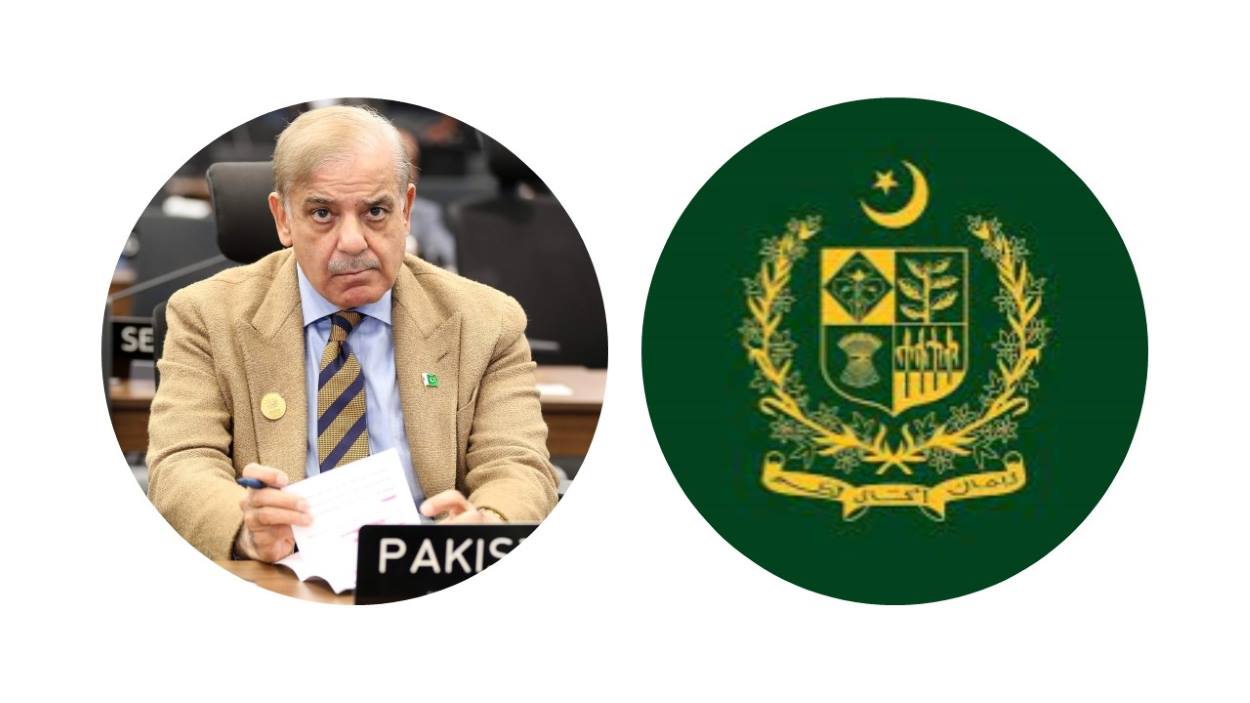

Pakistan’s Four-Day Working Week has been introduced for government offices as part of a wider austerity plan announced by Prime Minister Shehbaz Sharif. Under the new arrangement, government offices will work from Monday to Thursday, while the additional holiday will not apply to banks, agriculture, industry or essential services.
The policy is part of a broader response to economic and energy pressures. Officials said the measures are designed to reduce fuel use, cut public spending, and run government functions more efficiently.
Pakistan Four-Day Working Week And Austerity Measures
Alongside the new schedule, the government announced a 50 per cent cut in fuel allowance for official vehicles for the next two months. Ambulances and public buses are exempt, while 60 per cent of official vehicles across federal and provincial establishments will be grounded during the same period.
The austerity package also includes salary-related measures. Federal and provincial cabinet members will forgo salaries and allowances for two months, while members of federal and provincial legislatures will face a 25 per cent pay cut for the same period.
Read: Pakistan Announces Austerity Measures as Fuel Crisis Deepens
Senior officers in Grade 20 and above, or those earning more than Rs300,000 per month, will contribute the equivalent of two days’ pay. The source content says this deduction will support public relief efforts, while health and education employees are exempt from the salary reduction.
Work-From-Home, School Closures And Office Restrictions
To save fuel, the government has directed departments to prioritise teleconferencing and online meetings. It also announced that only 50 per cent of staff in government and private offices will report in person, except for essential services.
Education has also been affected by the new policy shift. All schools and colleges in the country will remain closed for the next two weeks, while higher education institutions under the Higher Education Commission will continue classes online.
In addition, government departments have been told to reduce non-salary expenses by 20 percent. Purchases of vehicles, furniture, air conditioners and other non-essential items have also been suspended.